
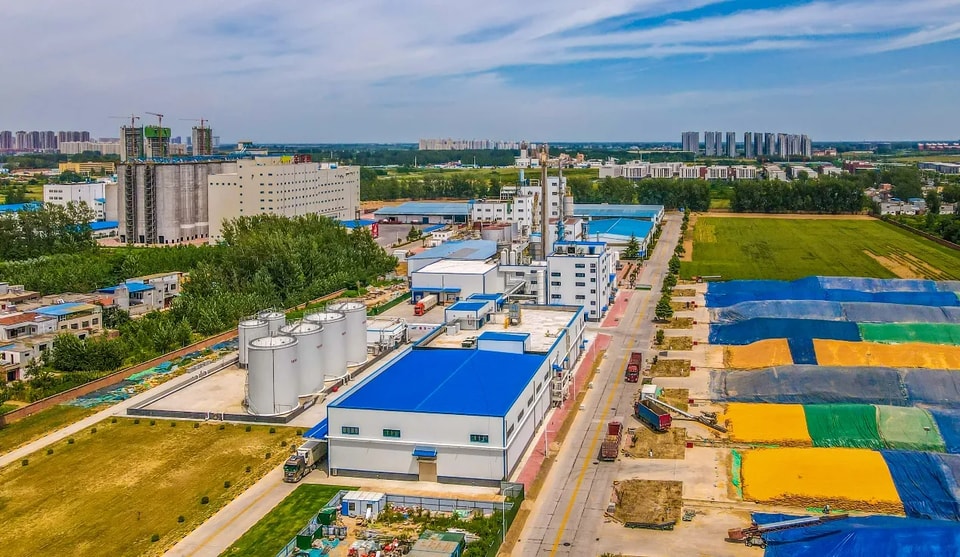
Wilmar (Zhoukou) 80TPD Lard/Tallow Rendering Project: Engineering Practice in Energy Saving and Environmental Protection
6/28, 2026
In animal fat processing, lard and tallow rendering face multiple challenges including dark color, strong odor, high energy consumption, and wastewater and exhaust gas emissions. Ocean's 80-ton-per-day lard/tallow rendering project for Wilmar (Zhoukou) successfully addressed these issues. Ocean's animal fat rendering technology was fully validated in this project. The production line can flexibly process various animal fat feedstocks including lard, tallow, and more. Project Challenges The raw lard/tallow exhibited significant color and odor issues, requiring effective decolorization and deodorization processes to meet market standards. The rendering process was energy-intensive, involving substantial heat and electricity consumption, while also generating wastewater and exhaust gas emissions that needed proper treatment to minimize environmental impact. Ocean's Solutions The production line starts with raw material handling — after unpacking, conveying, crushing, and online metal detection, the material enters a pre-melting pot and then an energy-saving melting furnace. The core innovation lies in using secondary steam to heat the energy-saving melting furnace, achieving heat recovery. All temperature, pressure, and flow parameters are under fully automatic control. The process employs dry vacuum energy-saving refining technology, which can be heated by steam or thermal oil, eliminating the need for a boiler. The entire rendering line operates in a fully sealed environment from material feed to oil discharge, with centralized odor treatment to effectively reduce product contamination. Continuous vacuum dry rendering significantly reduces wastewater discharge. The vacuum system has become compact due to energy recovery, requiring only one water ring pump, which reduces electricity consumption. High-temperature equipment is equipped with an overall insulation jacket to prevent burn accidents during operation and reduce heat loss. Pipes and interfaces are easy to disassemble, and the equipment has a polished surface for easy cleaning and maintenance. All material-contact parts (equipment and pipes) are made of 304 stainless steel, allowing for CIP cleaning after the rendering process with no residue left behind. Project Results The project achieved significant results: steam consumption reduced by 50%, electricity consumption reduced, labor costs reduced, production efficiency increased, and wastewater discharge reduced. Ocean provides full-chain services from process design and equipment manufacturing to installation and commissioning, delivering efficient, energy-saving, and environmentally friendly animal fat rendering lines.
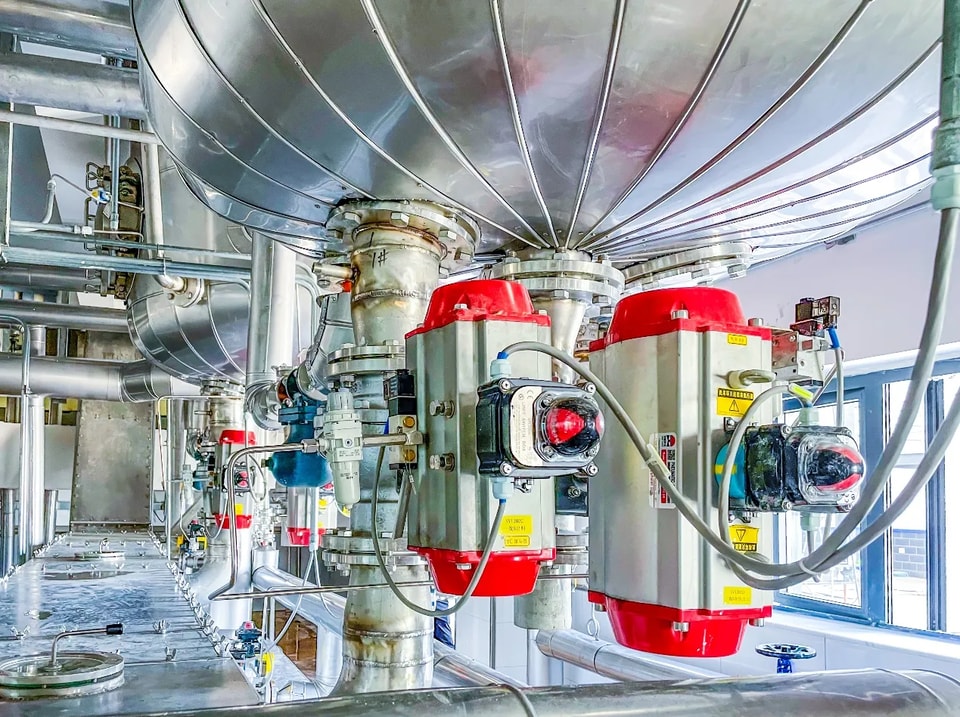
Tallow and Ghee Fractionation Line: Complete Solution from Rendering to Fractionation
6/27, 2026
In animal fat deep processing, efficient handling of tallow and ghee requires a complete process chain — from raw material rendering and oil refining to dry fractionation. Ocean provides a complete equipment solution covering animal fat rendering , animal fat refining , and animal fat fractionation for this need. Rendering Section: From Raw Material to Clean Oil Frozen fatty meat is first cut into small pieces by a meat grinder and then conveyed to the rendering pot by a conveyor. The rendering pot uses steam heating and is equipped with a scraper agitator, completing fat melting and dehydration under negative pressure. A separator separates extracted gases and liquid droplets. Water vapor is condensed by a vacuum condenser, and wastewater is discharged to a wastewater tank. A water ring vacuum pump provides vacuum for the system. The rendered oil is temporarily stored in a buffer tank, while oil residue is further processed by an oil residue press to recover residual oil. Refining Section: Degumming, Bleaching, and Deodorization After rendering, the oil enters the refining section. The bleaching pot simultaneously completes degumming and bleaching reactions, using jacket heating, with bleaching earth added via vacuum conveying. The oil containing bleaching earth is sent by a bleaching filter pump to a bleaching filter and a bag filter to separate the bleaching earth from the oil. The clean bleached oil enters a bleaching oil tank for temporary storage. The deodorization pot operates under high vacuum, reaching up to 2 mmHg, at a temperature of approximately 250 degrees Celsius. An electric heater provides circulating heating for the deodorizing oil, and direct steam agitation effectively removes fatty acids and odorous compounds. The high-temperature deodorized oil is cooled by a cooler and then enters a refined oil tank equipped with a nitrogen protection system to prevent oxidation. A fatty acid trap and condenser recover free fatty acids evaporated during deodorization. Fractionation Section: Olein and Stearin Separation After refining, the oil enters the fractionation section. The crystallizer is equipped with an agitator and cooling coils, allowing high-melting-point triglycerides to crystallize slowly according to a pre-programmed cooling profile. A chiller reduces water temperature to the required level, a chilled water tank stores the chilled water, and a circulating water pump supplies cooling water. After crystallization is complete, the slurry is sent by a filter oil pump to a membrane filter press for solid-liquid separation. The membrane filter press is equipped with food-grade membranes and filter plates. Olein passes through the filter cloth to become the product, enters an olein tank, and is then sent out by an olein pump. Stearin is retained in the filter chambers, discharged into a stearin tray, and then manually bagged. Auxiliary Systems The CIP cleaning system includes acid and alkali tanks and a CIP pump for online cleaning of equipment. A hot water tank and hot water pump provide hot water for processes and heat tracing. An air compressor, compressed air tank, nitrogen generator, and nitrogen storage tank form the utility system. A steam generator provides process steam, while a cooling tower and cooling water circulation pump provide cooling water for the chiller. Automation Control The entire plant is controlled by a PLC system equipped with Siemens or GE modules, with a graphical operator interface via a desktop computer. All equipment can be started, stopped, and monitored centrally from the control room, with local button boxes provided near equipment for commissioning and maintenance. Ocean provides full-chain services from process design and equipment manufacturing to installation and commissioning, delivering efficient, safe, and compliant animal fat deep processing lines.
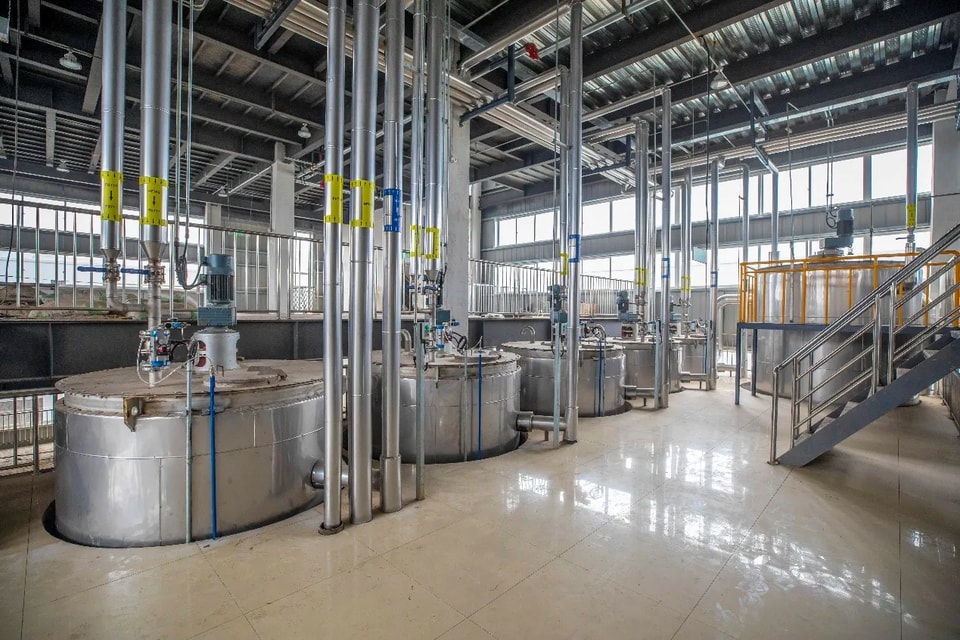
Dry Fractionation Plant: Technical Solution for Producing Super Olein from RBD Palm Olein
6/26, 2026
In oil fractionation, dry fractionation has become the mainstream technology for palm oil deep processing due to its solvent-free operation, environmental friendliness, and moderate investment. Ocean's oil fractionation production line adopts dry fractionation technology to further separate RBD palm olein into high-value super olein and stearin. Feedstock and Products The process uses RBD palm olein as feedstock, requiring an iodine value ranging from 56 to 57, a slip point of 22 to 23 degrees Celsius, and free fatty acid and impurity content not exceeding 0.1%. The incoming feedstock temperature is approximately 45 degrees Celsius. The final product, super olein, achieves an iodine value of 58 to 60, a cloud point of 8 to 10 degrees Celsius, and a yield of 80% to 85%. Crystallization Section Crystallization is the core of dry fractionation. The feedstock is first heated to 60 to 75 degrees Celsius in the feed oil heater to completely eliminate any existing crystal nuclei, preventing undesired crystallization during subsequent cooling. Multiple crystallizers are provided, with individual effective volumes determined by capacity requirements. Each crystallizer is equipped with double-layer cooling coils and a mechanical agitator, with agitation speed controlled by variable frequency drives. The cooling process follows a pre-programmed temperature profile automatically — initially using cooling tower water, then switching to chilled water when the temperature differential becomes insufficient. The complete cooling program is determined by feedstock and product specifications, ultimately producing a slurry containing stearin crystals in liquid olein. Filtration Section After crystallization is complete, the slurry is fed by a progressive cavity pump to a membrane filter press for solid-liquid separation. The membrane filter press is equipped with multiple filter chambers. During filtration, liquid olein passes through the filter cloth to become the super olein product, while stearin crystals are retained in the filter chambers. Subsequently, the membranes are inflated to squeeze the filter cake, further extracting residual liquid olein. After compressed air blow-drying, the residual oil in the cake is reduced to a low level. When filtration is complete, the filter press automatically opens, and the stearin cake drops into a stearin tank equipped with a cutter and steam heating coils, where it is melted into liquid form before being transferred to storage. The filter press typically requires regular cleaning, using hot wash oil circulated through the filter to maintain filtration efficiency. Refrigeration and Utilities The refrigeration system consists of a packaged chiller unit equipped with variable-frequency-driven screw compressors. Utility consumption is determined by specific capacity requirements. Steam is primarily used for heating and heat tracing, cooling water for temperature reduction during crystallization, and electricity for driving all process equipment. Automation Control The entire plant is controlled by a PLC system with a graphical operator interface. Operators can monitor and control all process parameters in real time via computer, including crystallization temperature profiles, filter press status, flow rates, liquid levels, pressures, and alarms. A single operator can handle routine operations, with only occasional assistance required during cleaning. Ocean provides full-chain services from process design and equipment manufacturing to installation and commissioning, delivering efficient, stable, and automated dry fractionation production lines.
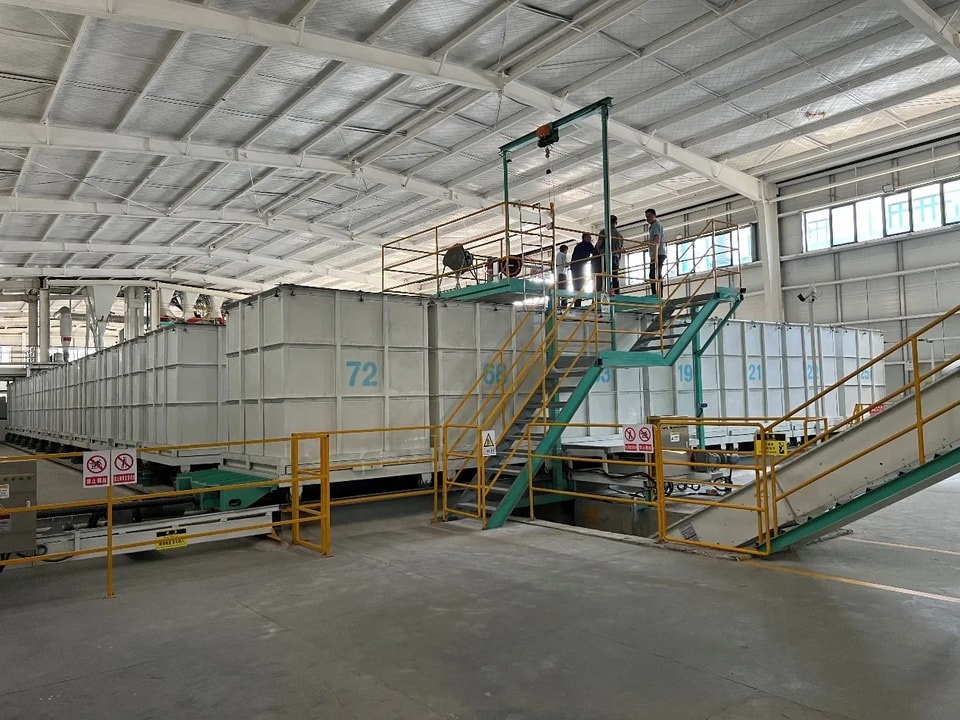
Mixing, Inoculation, and Fermentation Section: Efficient Synergy Between Twin-Shaft Paddle Mixer and Fermentation Trolley
6/25, 2026
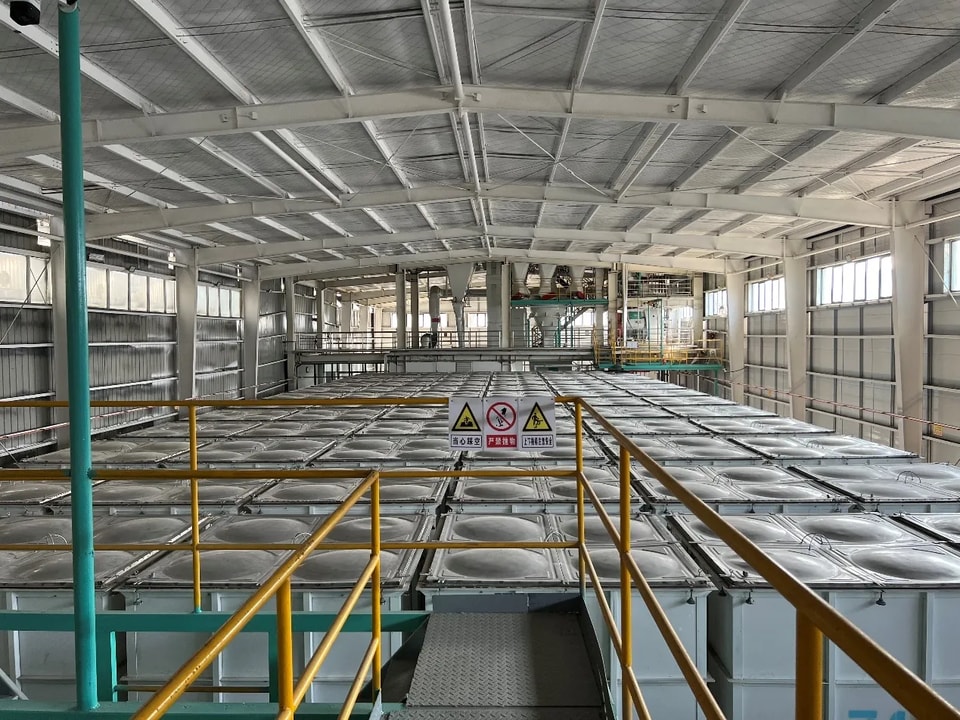
In fermented feed production, mixing and inoculation are the critical steps where strains, raw materials, and hot water are uniformly combined. The uniformity of mixing directly determines the consistency of subsequent fermentation results. Ocean's fermentation solutions feature a combined design of a twin-shaft paddle mixer and fermentation trolleys, achieving efficient, uniform, anti-adhesion mixing, inoculation, and fermentation. Twin-Shaft Paddle Mixer: The Core of Efficient and Uniform Mixing The mixer adopts a twin-shaft paddle structure, with all material-contact parts made of 304 stainless steel, ensuring corrosion resistance, easy cleaning, and no contamination. The mixer has an effective volume of 4 cubic meters, with a batch mixing capacity (including strain liquid) of 1,000 to 1,200 kilograms. Mixing takes only about 3 minutes per batch, with a throughput of 8 to 10 batches per hour. The equipment is also equipped with a small-proportion material inlet for adding trace additives or functional ingredients. Fermentation Trolley: Smart Design for Anti-Adhesion and Anti-Residue After mixing and inoculation, the material is directly discharged into 8-cubic-meter fermentation trolleys. Each trolley can hold 4 batches of mixed material, equivalent to approximately 3 tons of dry matter. The fermentation box features a carbon steel frame for structural strength. All material-contact surfaces are made of high-polymer composite materials with excellent anti-adhesion and anti-sticking properties, preventing material from adhering to the inner walls. The fermentation box is designed with a full-opening door and a slide plate mechanism, ensuring smooth discharge while preventing residue accumulation and arching. This design not only ensures complete material flow but also significantly reduces the difficulty and frequency of manual cleaning. Discharge and Conveying: Seamless Automation After fermentation is complete, the trolley discharges material into a stainless steel multi-screw conveyor. The conveying speed is regulated by variable-frequency control, and the material is then smoothly transferred to the dryer via a scraper conveyor, achieving seamless integration from fermentation to drying. Ocean provides full-chain equipment and services from mixing and inoculation to fermentation and drying, delivering efficient, stable, and easy-to-clean fermentation production lines.
Strain Propagation and Fermentation: The Core Engine of Fermented Feed Production
6/17, 2026
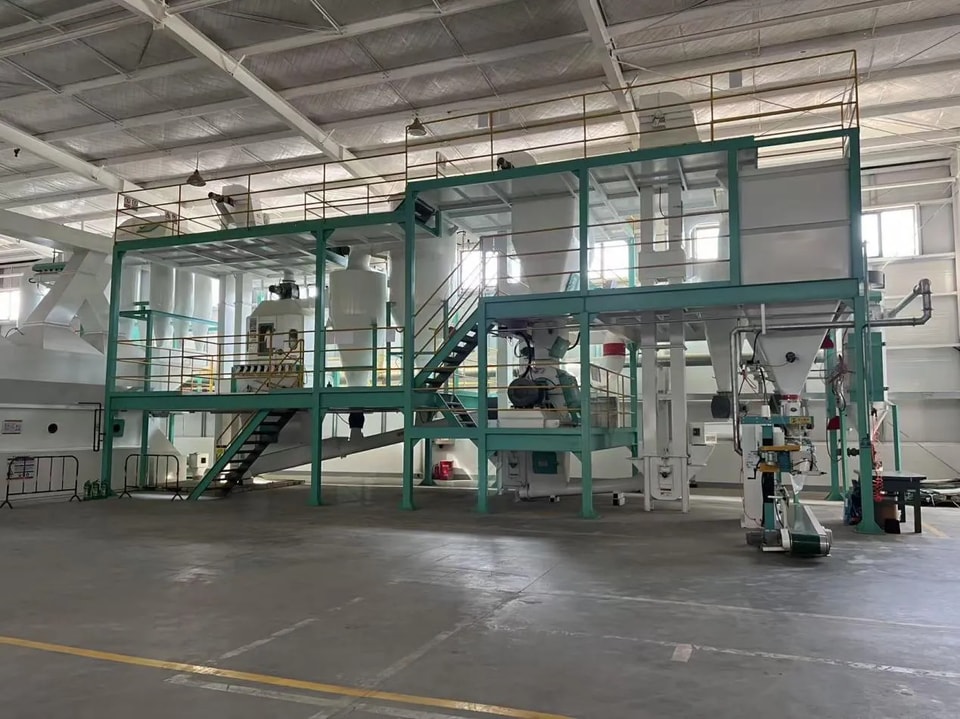
In the production of fermented soybean meal, fermented rapeseed meal, and other bio-feed products, the quality and activity of the microbial strain directly determine the final product quality. The strain propagation and fermentation system is the core technology of the entire production line. Ocean's fermentation solutions systematically integrate four key stages — strain activation, propagation, inoculation, and fermentation — achieving fully automated process control. Strain Activation: The Starting Point of Fermentation Strains are manually added into the activation tank, where they undergo approximately 72 hours of activation under strictly controlled conditions. The system automatically manages pH value, agitation, aeration, and temperature regulation, ensuring optimal conditions for strain recovery and proliferation. After activation, the strain liquid is transferred to a metering scale for standby. Precise Batching and Mixing According to the fermentation formulation, the metered strain liquid and hot water — heated in the hot water tank — are proportioned with precision and thoroughly mixed in a mixer. This step determines the uniformity of strain distribution in the fermentation substrate, directly impacting subsequent fermentation performance. Deep Fermentation: The Key to Quality Formation The mixed strain fermentation material is transported by an automatic rail car system to the strain fermenter for approximately 12 hours of propagation fermentation. The fermenter is equipped with precise temperature, humidity, and aeration control systems, creating an ideal environment for microbial growth. For soybean meal fermentation, the material is then mixed with soybean meal for approximately 24 hours of deep fermentation, allowing beneficial microorganisms to thoroughly degrade anti-nutritional factors and produce functional metabolites such as small peptides and organic acids. Why Is Fermentation So Critical? Unfermented soybean meal contains multiple anti-nutritional factors — including trypsin inhibitors, antigenic proteins, and oligosaccharides — which inhibit animal growth and cause digestive stress. Through precisely controlled fermentation, these anti-nutritional factors are effectively degraded. Large-molecule proteins are broken down into easily absorbable small peptides and free amino acids, while beneficial microbial metabolites are generated, significantly enhancing the feed's nutritional value and digestibility. Ocean provides full-chain fermentation solutions from strain propagation to finished packaging, delivering efficient, stable, and automated fermentation production lines.
Fermentation Process: A Complete Solution from Strain Propagation to Finished Packaging
6/16, 2026
In the production of fermented soybean meal, fermented rapeseed meal, and fermented cottonseed meal, a complete fermentation process requires the coordination of multiple subsystems. Ocean's fermentation solutions cover the entire process from strain activation to finished product packaging. I. Strain Propagation and Hot Water Supply System Strains are manually added into the activation tank, where the activation process takes approximately 72 hours. The system automatically controls pH value, agitation, aeration, and temperature regulation. After activation, the strain liquid is transferred to a metering scale for standby. The hot water tank heats and regulates tap water according to process requirements, which then enters a hot water metering scale. II. Strain Fermentation System Based on fermentation parameters, the metered strain liquid and hot water are proportioned according to the formulation and thoroughly mixed in a mixer. The mixed strain fermentation material is then transported by an automatic rail car system to the strain fermenter for approximately 12 hours of strain propagation fermentation. III. Soybean Meal Batching, Mixing, and Fermentation System Raw soybean meal enters a storage bin through the feed inlet, is elevated to a batching scale by a bucket elevator, and is metered before entering the mixer. The fermented strain is discharged from the strain fermenter, conveyed via belt conveyor and a specialized wet-material bucket elevator to a strain loss-in-weight scale, and then enters the mixer according to formulation requirements. At the same time, the proportioned hot water also enters the mixer. After mixing, the material is sent to the fermenter by the automatic rail car system for approximately 24 hours of deep soybean meal fermentation. IV. Drying, Cooling, Grinding, and Packaging System After fermentation is complete, the material is discharged from the bottom of the fermenter and conveyed by belt conveyor to the drying system. The fermented material enters the dryer at a constant speed via a variable-frequency, constant-speed discharge device. After drying, pulse dust collection, spray sedimentation, and screening, the material is conveyed by air to a cooler for cooling. The cooled finished product is elevated to a holding bin for grinding, then enters a grinder. After grinding, the product is conveyed by air to a vibrating screen for classification, finally entering a finished product bin before being packaged by the packaging system. Ocean provides full-chain services from process design and equipment manufacturing to installation and commissioning, delivering efficient, automated fermentation production lines for clients.
Fish Oil Fractionation Crystallizer: The Essential Difference Between Coil and Jacket Design
6/15, 2026
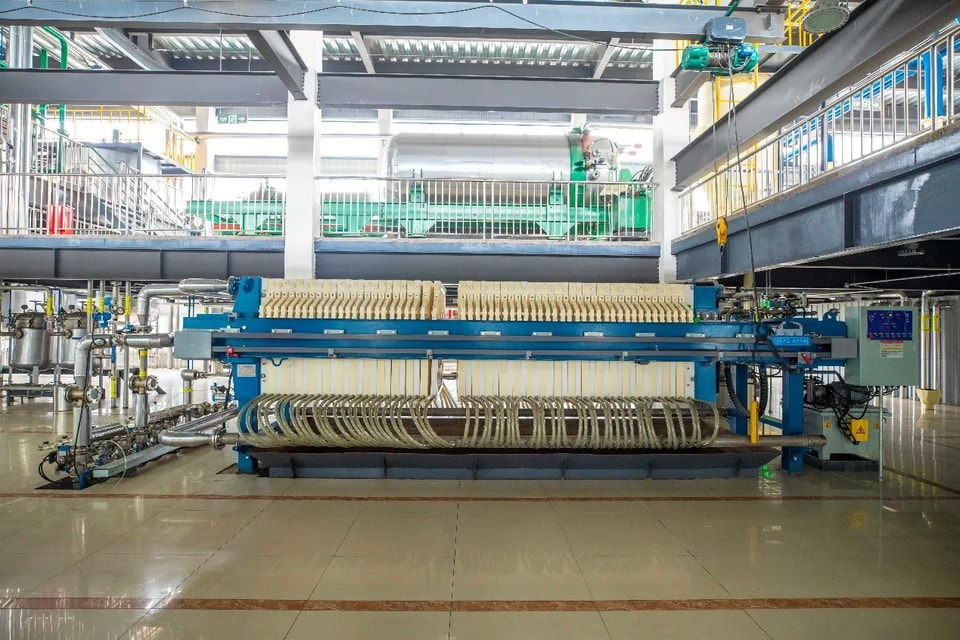
In fish oil fractionation, the crystallizer is the core equipment determining product quality and yield. Fish oil is rich in long-chain polyunsaturated fatty acids (EPA and DHA), with crystallization temperatures far lower than those of palm oil, demanding exceptionally precise crystallization control. Ocean's oil fractionation production line uses an internal coil crystallizer design, while some conventional solutions still rely on jacket-type crystallizers. The difference directly impacts production capacity, energy consumption, and product quality. Advantages of Coil Design: The internal coil, made of 304 stainless steel, is distributed throughout the entire crystallizer volume, providing several times greater heat exchange area than jacket designs. Combined with a frequency-controlled agitator and scrapers, the coil ensures uniform oil temperature throughout the tank, with temperature differentials controlled within a very narrow range. Precise temperature control means synchronous nucleation and uniform crystal growth, resulting in more complete solid-liquid separation during filtration and higher olein yield. Problems with Jacket Design: The heat exchange area of a jacket-type crystallizer is limited by the tank's external surface, making it severely inadequate for larger tanks. More critically, jacket heating typically uses thermal oil as the medium — if corrosion or seal failure occurs, thermal oil leaks into the fish oil, contaminating the entire batch and causing significant financial loss. Furthermore, if the jacket portion uses carbon steel instead of stainless steel, the salt and moisture in fish oil accelerate corrosion, further increasing leakage risk. Actual Performance Differences: At the same capacity, the coil-design crystallizer achieves shorter batch cooling times, more batches per day, and substantial annual energy savings. More importantly, it completely eliminates the risk of whole-batch contamination from thermal oil leakage — a critical consideration for high-value fish oil production. Choosing coil design means higher capacity, lower energy consumption, and safer operation. Ocean provides full-chain services from process design and equipment manufacturing to installation and commissioning, delivering efficient and reliable crystallization systems for clients' fractionation lines.
Vertical Pressure Leaf Filter: Core Separation Equipment in Oil Fractionation and Bleaching
6/14, 2026
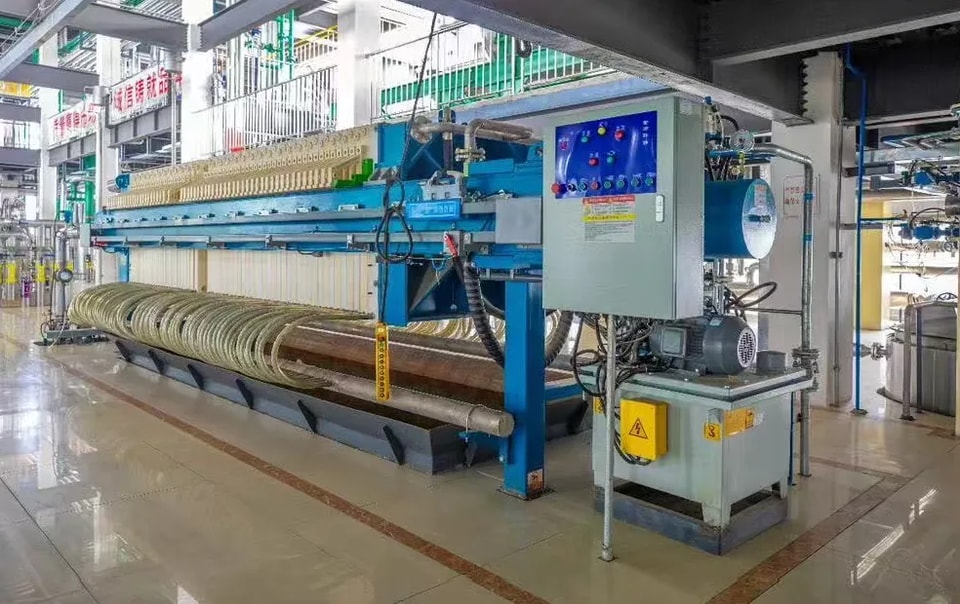
In oil refining and fractionation production, solid-liquid separation efficiency directly impacts product quality and yield. Whether separating bleaching earth from oil in the bleaching section or separating crystallized stearin from liquid olein in the fractionation section, filtration equipment is a key factor determining overall line performance. In Ocean's oil fractionation production line solutions, the vertical pressure leaf filter serves as a high-efficiency, closed-system filtration device designed specifically for these applications. Equipment Features: The filter uses multi-layer stainless steel filter leaves as the filtration medium, completing automatic operations — feeding, filtration, cake blowing, and discharge — within a sealed tank. The fully enclosed structure eliminates oil vapor emissions, meeting environmental and food safety requirements. The stainless-steel filter leaves are robust and have a significantly longer service life than the filter cloths used in conventional plate-and-frame filters. In fractionation applications, the crystallized slurry contains solid stearin crystals that must be separated by filtration. The equipment features an efficient cake blowing function — using compressed air or steam to dry the filter cake before discharge — reducing residual oil in the cake to a low level and significantly improving fractionation yield. Cake discharge uses vibratory technology: compressed air drives a vibrator, causing the filter leaves to vibrate at high frequency and automatically dislodge the cake. The discharge valve is a large-diameter pneumatic butterfly valve for rapid and complete cake removal. Automation and Dual-Unit Configuration: The entire filtration sequence — feeding, circulation, filtration, cake blowing, and discharge — can be automatically controlled by a PLC. Unlike conventional plate-and-frame filters that require manual unloading and cloth cleaning, the vertical pressure leaf filter completes automatic discharge in just minutes, greatly reducing labor intensity. Since the filter operates in batch mode, two or more units are typically configured to operate alternately — one filtering while the other discharges and stands by — ensuring continuous production. Application Value: In fish oil fractionation, palm oil fractionation, oil dewaxing, bleaching, and other sections requiring efficient solid-liquid separation, the vertical pressure leaf filter — with its closed operation, automatic discharge, low residual oil, and long-life filter leaves — has become the standard choice for modern oil processing plants. Ocean provides full-chain services from process design and equipment selection to installation and commissioning, delivering efficient and reliable filtration solutions for clients' fractionation lines.
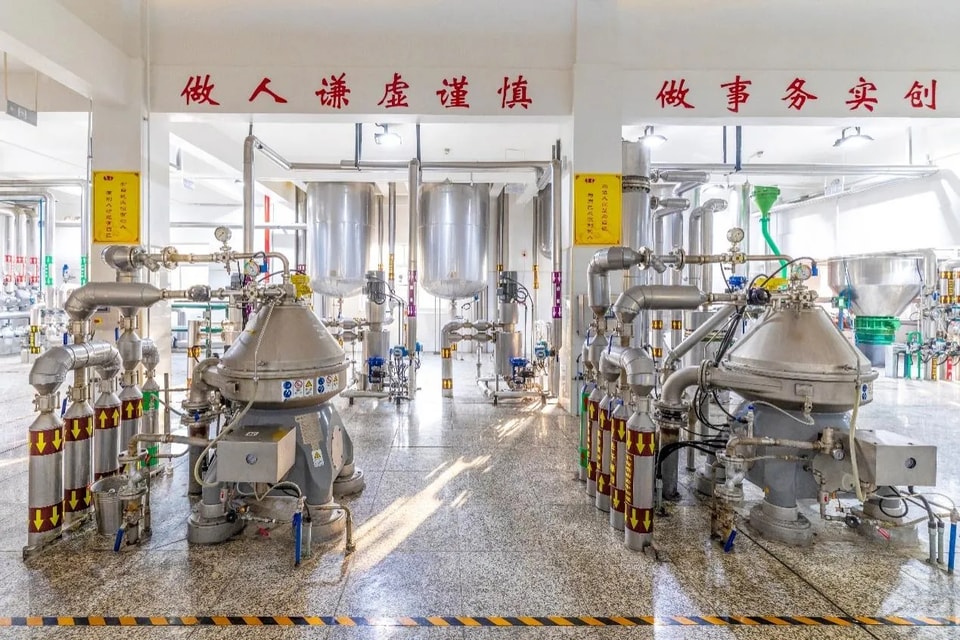
Core Technologies for Waste Oil Pretreatment: System Integration of Degumming, Neutralization, and Adsorption Filtration
6/3, 2026
Waste cooking oil differs significantly from fresh vegetable oil, with more complex and higher levels of impurities including mechanical solids, free fatty acids, gums, metal ions, nitrogen compounds, and chlorides. Failure to effectively remove these impurities will severely impact the operational stability and catalyst life of downstream biofuel units. Zhengzhou Ocean's waste oil pretreatment solution achieves efficient synergistic removal of multiple impurities through the system integration of two main sections: degumming/neutralization and adsorption/filtration. 1. Degumming and Neutralization Section: Primary Impurity Separation The incoming raw oil first passes through a decanter centrifuge to remove large mechanical impurities. It then enters the heat exchange system for oil-to-oil heat exchange with the high-temperature finished oil, achieving energy savings. After heating to approximately 65°C, citric acid is added for degumming to convert non-hydratable phospholipids into hydratable phospholipids. Liquid caustic soda is then added for neutralization, converting free fatty acids into soapstock. A centrifuge separates the soapstock from the neutral oil. The neutralized oil then passes through a water-washing centrifuge to remove residual soapstock and citric acid. The entire acid, caustic, and water addition processes are online automatic proportioning systems, automatically adjusting based on flow meter signals to ensure reaction precision. 2. Adsorption and Filtration Section: Deep Purification After neutralization and drying, the oil enters the adsorption section. The adsorbent (bleaching earth, etc.) is pneumatically conveyed to the adsorbent tank, then automatically added to the pre-mix tank by a dosing device in proportion. After thorough mixing, the mixture enters the adsorption tank for approximately 40 minutes, with steam agitation enhancing the adsorption reaction. The oil-adsorbent mixture is then filtered through leaf filters for solid-liquid separation. The filters feature an automatic tank-switching design, completing the entire automatic operation of oil feeding, circulation, filtration, cake blowing, and slag discharge with one command, significantly reducing labor intensity. The filtered oil then passes through a precision filter to remove residual adsorbent particles, and finally enters a buffer tank for moisture and volatile removal, producing finished pretreated oil. 3. System Integration Advantages: · Full process automation: PLC/DCS centralized control with real-time monitoring of key parameters (temperature, pressure, flow, liquid level) · Energy-saving design: Multi-stage oil-to-oil heat exchange for maximum heat recovery · Low consumption: Precise chemical addition control reduces consumption of citric acid, caustic soda, and adsorbents · High yield: Multi-stage soapstock and wash water recovery minimizes neutral oil loss Ocean provides full-chain services from concept design to plant delivery, delivering proven turnkey solutions for waste oil pretreatment projects.
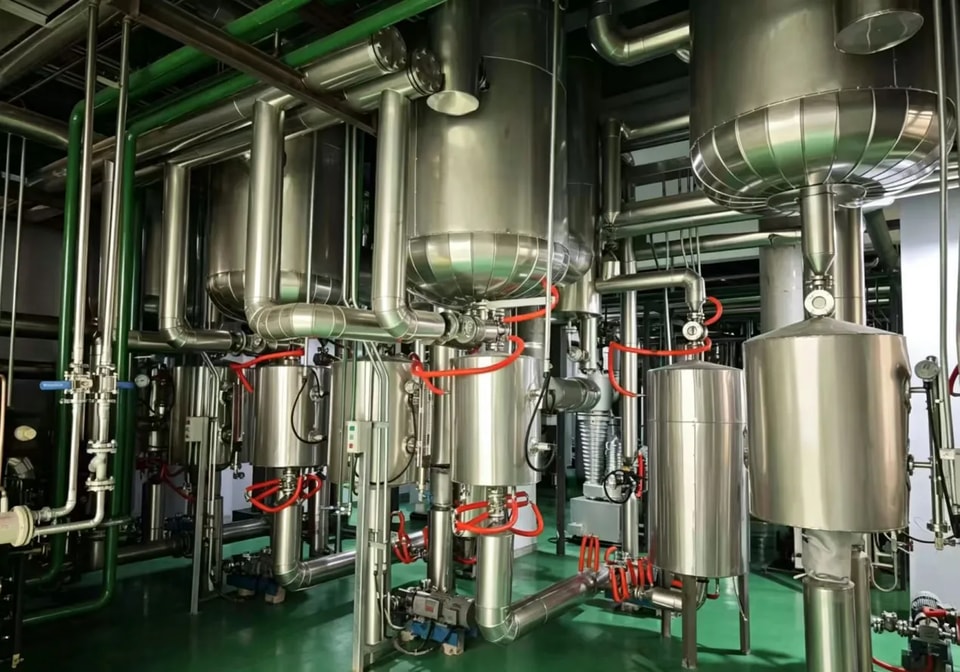
Diacylglycerol (DAG): The Engineering Path to a Next-Generation Functional Oil
6/2, 2026
Globally, excessive edible oil consumption has become a public health concern. Conventional cooking oils consist of approximately 98% triglycerides (TAG), which are easily stored in subcutaneous tissue, blood vessels, and internal organs after absorption, contributing to obesity, hyperlipidemia, fatty liver disease, and various chronic conditions. Diacylglycerol (DAG) follows a completely different metabolic pathway — it is not re-synthesized into fat but is directly oxidized for energy, earning it the nickname "fat bomb". Global Regulatory Recognition: · 1998: Japan's Ministry of Health, Labor and Welfare classified DAG as a health food ingredient · 2000: The US FDA granted DAG oil GRAS (Generally Recognized as Safe) status · 2009: China's Ministry of Health approved DAG oil as a new resource food ingredient · The European Food Safety Authority (EFSA) has also confirmed the safety of DAG and recognizes its health claims Regional Market Dynamics: Demand drivers for DAG vary across different global markets. In Japan, the mature health food market and high consumer awareness have led to widespread acceptance of DAG oil as a functional cooking oil and health supplement ingredient. In North America, persistently high obesity rates and strong low-fat, low-calorie dietary trends are driving demand for DAG oil in meal replacement products and healthy cooking oils. The European market, propelled by trans fat bans, has food manufacturers actively seeking alternatives. With the clean label trend gaining momentum, DAG oil shows strong potential in margarine, bakery fats, and plant-based products. Southeast Asia, as a major global palm oil producing region, is seeing local companies extend their value chains downstream. DAG oil has become an important direction for functional oil export processing. In the Middle East, affluent consumers have a strong preference for premium health foods, creating solid growth opportunities for DAG oil in the high-end cooking oil and gift oil segments. Engineering Challenge: How to Produce DAG Stably and Efficiently? DAG occurs naturally in very low concentrations in vegetable oils and must be enriched through engineering processes. The mainstream production route is enzymatic transesterification: Refined oil and glycerol undergo transesterification in a fixed-bed reactor catalyzed by lipase, producing a DAG-containing mixture. The product is then purified through molecular distillation to remove glycerol and free fatty acids, followed by bleaching, deodorization, and winterization filtration to obtain high-purity DAG oil. Compared to chemical methods, the enzymatic process offers clear advantages: · Zero trans fatty acid formation · No wastewater discharge — environmentally friendly · Mild reaction conditions for superior product quality Ocean provides full-chain services from process design and equipment manufacturing to installation and commissioning, delivering proven turnkey solutions for the industrial production of Diacylglycerol (DAG) oil . As a global leading turnkey oil processing solutions provider for the edible oil and oleochemical industries worldwide, we tailor every solution to meet the diverse needs of global markets.

Distilled Monoglycerides: The Technical Path from Oils to High-Purity Emulsifiers
6/1, 2026
Distilled monoglycerides (DMG) are among the most widely used emulsifiers in the food industry. From baked goods to ice cream, from margarine to chocolate, DMG quietly supports the texture and stability of countless food products. The production of DMG starts with oils and glycerol. Under the action of a catalyst, oils (triglycerides) react with excess glycerol through transesterification, producing a mixture of mono-, di-, and triglycerides. Among these, monoglycerides are the target product — but they typically make up only 40–60% of the crude mixture. To obtain distilled-grade monoglycerides with purity above 90%, molecular distillation is the essential step. Under high vacuum conditions, monoglycerides — having a higher vapor pressure — are preferentially vaporized and condensed, separating them from di- and triglycerides and other byproducts. This process is gentle and efficient, requiring neither excessively high temperatures nor long processing times, ensuring product purity, light color, and functional stability. The high-purity monoglyceride melt is then converted into a solid powder through spraying or granulation, cooled, and packaged — becoming a key raw material for the food, pharmaceutical, and cosmetic industries. Ocean provides full-chain services from concept design to plant delivery — including process simulation, equipment design, automation, installation, and commissioning. As a specialist in DMG production lines, we deliver customized turnkey solutions that cover everything from transesterification and molecular distillation to final packaging. Whether you are building a new facility or upgrading an existing one, Ocean is your expert partner for high-purity emulsifier production. Explore our complete food emulsifier production solutions to see how we can support your project from start to finish.

E471: The Indispensable Emulsifier in Global Food Industry
5/31, 2026
You may not see E471 on the ingredient list, but it is essential in almost every processed food you consume daily. E471 (Mono- and diglycerides of fatty acids) is the most widely used emulsifier in the global food industry. It keeps bread soft and delays staling in baked goods. It prevents ice crystal formation in ice cream, creating a smooth texture. It ensures stable oil-water fusion and uniform consistency in margarine. According to the latest 2026 data, E471 accounts for 46.9% of the global food emulsifier market, with the market continuing to expand at a compound annual growth rate of approximately 7.95%. From instant noodles in Asia to chocolate in Europe, from non-dairy creamer in the Americas to baked goods in the Middle East, E471 is everywhere. The key to E471 becoming the "king of emulsifiers" lies in its excellent cost-performance ratio and wide adaptability. And the starting point of all this is high-quality oil feedstock. Crude vegetable oils contain impurities, free fatty acids, and off-flavors that must be removed through degumming, deacidification, bleaching, and deodorization to obtain a pure, stable, and food-grade compliant feedstock. This is exactly where Zhengzhou Ocean's core expertise lies. Ocean is a global leading turnkey oils & fats processing solutions provider . We have delivered over 200 refining lines worldwide, transforming crude oil into high-value specialty oils that guarantee the highest quality raw materials for downstream products like E471. Learn more about the industrial production solutions behind E471 and how Ocean empowers the global food industry from the very source.
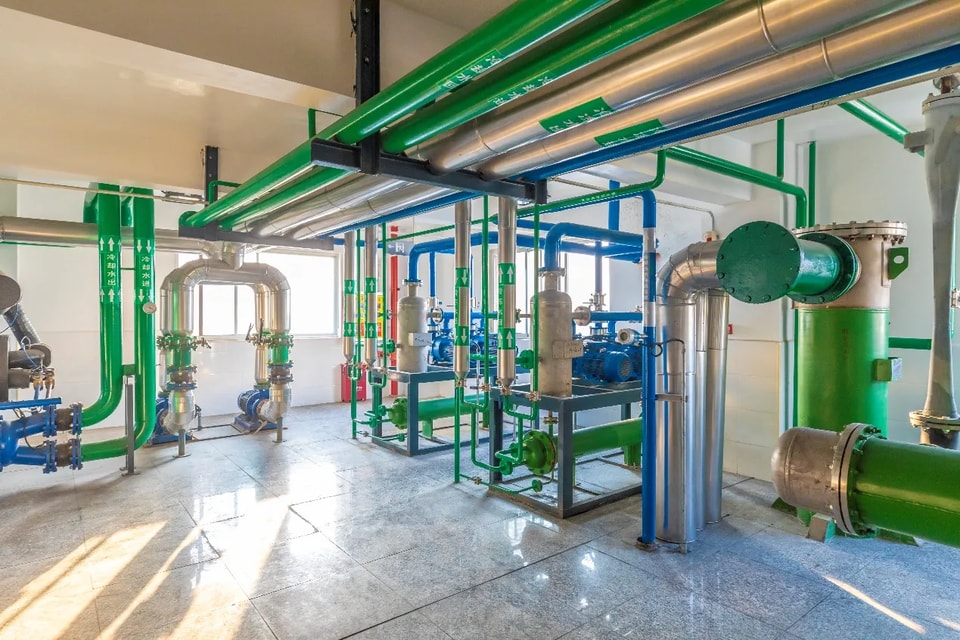
The Balance of Oil Refining: Finding the Optimal Solution Between Contaminant Removal and Nutrient Retention
5/13, 2026
Oil refining faces a fundamental contradiction: high temperatures remove harmful substances such as GE and 3-MCPD more thoroughly, but the same high temperatures also destroy heat-sensitive micronutrients including tocotrienols and carotenoids. This is not an "either-or" choice, but an engineering challenge that requires optimized process conditions to achieve both goals. Ocean's edible oil refining solution is to lower deodorization temperatures and apply improved refining controls, effectively meeting safety standards while maximizing the retention of natural nutrients. 1. Dual Objectives: Safety and Nutrition Safety Target: · Reduce the formation of glycidyl esters (GE) · Reduce 3-MCPD content · Control trans fatty acid (TFA) increase These substances are heat-induced byproducts of the deodorization process and must be controlled to meet export standards for high-end markets such as the EU. Nutritional Target: · Retain tocotrienols — members of the vitamin E family with stronger antioxidant activity · Retain carotenoids — natural pigments and antioxidant precursors · Protect other heat-sensitive micronutrients These nutrients are highly temperature-sensitive. Conventional high-temperature refining (240–260°C) causes significant loss, reducing the nutritional value and market competitiveness of the oil. 2. Core Strategy: Lower Deodorization Temperatures The core strategy to achieve both objectives is: lower deodorization temperatures, combined with improved process controls to compensate for any potential reduction in deodorization efficiency. Technical Approach: Conventional High-Temp Refining Ocean Optimized Low-Temp Refining Deodorization Temp: 240–260°C Deodorization Temp: 180–220°C Residence Time: 60–90 minutes Residence Time: 30–50 minutes GE: 1.5–3.5 mg/kg GE: ≤1.0 mg/kg 3-MCPD: >2.0 mg/kg 3-MCPD: ≤1.0 mg/kg Micronutrient Retention: Low Micronutrient Retention: Significantly improved Validation Results: Under low-temperature deodorization conditions (180–220°C), combined with high vacuum (≤2 mbar) and optimized stripping design, Ocean's refining lines achieve: · GE and 3-MCPD meeting EU standards (EU 2018/290) · Significantly higher retention of tocotrienols and carotenoids compared to conventional high-temperature processes · All finished oil specifications (acid value, smoke point, peroxide value) meeting quality standards 3. Nutrient Protection Strategies Across Refining Steps Refining Step Primary Function Nutrient Protection Focus Degumming Remove phospholipids, gums Enzymatic degumming to reduce chemical exposure and high temperatures Bleaching Remove pigments, oxidation products Optimize clay dosage and contact time, control temperature Deodorization Remove FFA, odor compounds Low temperature + high vacuum + short residence time — the most critical control step Deodorization — The Most Critical Control Step: Deodorization operates at the highest temperatures and has the greatest impact on nutrients, while also directly determining GE, 3-MCPD, and TFA formation. Ocean's dual-tower dual-temperature segmented deodorization technology decouples the thermal process: · First stage (180–200°C): Removes light odor components and most FFA · Second stage (210–220°C): Removes color precursors and more thermally stable odor compounds This design achieves deodorization effectiveness while minimizing damage to heat-sensitive nutrients. 4. Processing Challenges to Address Challenge 1: Balancing Refining Efficiency with Nutrient Retention The lower the deodorization temperature, the lower the removal efficiency of FFA and odor compounds. How to ensure deodorization effectiveness at lower temperatures? Ocean's Solution: · Stable high vacuum (≤2 mbar) to lower vaporization temperatures of volatile compounds · Increased steam-oil contact area (structured packing + tray combination) · Precise temperature curve control to avoid excessive heating Challenge 2: Balancing Safety and Nutritional Retention Lower temperatures protect nutrients, but if temperatures are too low, GE and 3-MCPD removal efficiency may also decrease. How to meet both safety standards and nutritional retention goals? Ocean's Solution: · Dual-tower dual-temperature design completely avoids the >230°C GE/3-MCPD sensitive zone · Upstream process optimization (reducing precursors in degumming and bleaching) · Actual production line validation: GE ≤1.0 mg/kg, 3-MCPD ≤1.0 mg/kg with significantly improved micronutrient retention Challenge 3: Precise Control of Process Conditions Low-temperature deodorization requires higher precision in parameters such as vacuum, temperature, residence time, and stripping steam quantity. How to achieve stable and controllable production? Ocean's Solution: · Fully automatic PLC/DCS control system · Multi-point temperature monitoring and real-time adjustment · Multiple pre-programmed process curves for rapid switching between different oil types 5. Conclusion Oil refining does not require choosing between "safety" and "nutrition." With over 200 refining lines delivered across more than 20 years, Ocean has consistently demonstrated that safety and nutrition are not trade-offs — they can be achieved together. By lowering deodorization temperatures, increasing vacuum, shortening residence time, and adopting segmented design, Ocean's solution achieves: · Safety: GE ≤1.0 mg/kg, 3-MCPD ≤1.25 mg/kg, TFA increase ≤0.5% · Nutrition: Significantly improved retention of heat-sensitive micronutrients including tocotrienols and carotenoids For refiners targeting export markets, this is a proven path to meet both goals. Learn more about our edible oil refining production line .
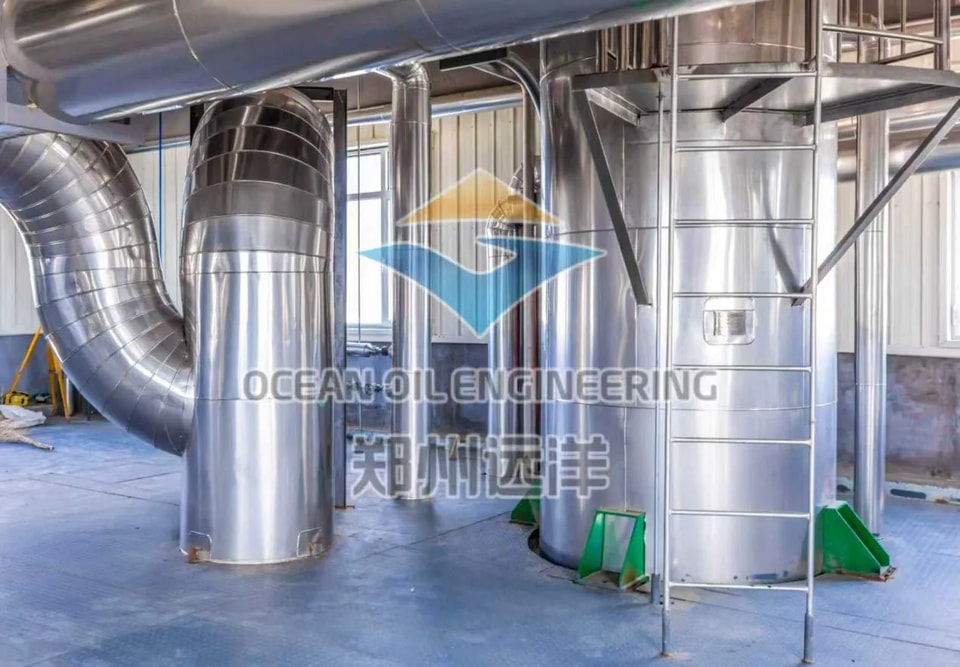
Every 1 mbar Improvement in Vacuum Significantly Enhances GE, 3-MCPD, and TFA Control
5/12, 2026
In low-temperature deodorization systems, vacuum is not an "auxiliary parameter" — it directly determines whether FFA and odor compounds can be effectively removed at lower temperatures, fundamentally reducing the formation of GE, 3-MCPD, and TFA. The Relationship Between Vacuum and Byproducts: Higher vacuum means lower vaporization temperatures for FFA and odor compounds. This results in: · Effective deodorization without relying on extreme high temperatures · Dramatically reduced formation rates of GE, 3-MCPD, and TFA Ocean's independent multi-stage Roots vacuum unit achieves absolute pressure of ≤0.5–2 mbar inside the deodorizer. Vacuum System Stability Is Equally Critical: Vacuum fluctuations reduce stripping efficiency, and operators often compensate by "raising the temperature" — a common cause of GE, 3-MCPD, and TFA exceedances. Ocean's system ensures vacuum stability through: · Multi-stage vacuum pump configuration (steam jet + Roots + liquid ring) · Strictly matched condensers at each stage · Automatic vacuum regulation responding to pressure changes Residence Time Optimization: Inside the deodorizer, oil residence time is equally critical. Ocean's internal design (structured packing + distribution trays) ensures: · Uniform oil flow distribution, no dead zones or short-circuiting · 30–40% shorter average residence time while achieving the same finished oil specifications Actual Results: Parameter Ocean's Actual Data Deodorizer Vacuum ≤2 mbar Residence Time 30–50 minutes Steam Consumption ≤32 kg/ton oil (physical refining) Conclusion: A high-vacuum system (≤2 mbar) combined with optimized residence time design is the prerequisite for low-temperature deodorization. Ocean's solution ensures complete deodorization within 30–50 minutes while controlling GE to ≤1.0 mg/kg, 3-MCPD to ≤1.25 mg/kg, and TFA increase to ≤0.5% , achieving steam consumption of ≤32 kg/ton oil. Three byproduct controls — glycidyl esters, 3-MCPD esters, and trans fatty acids — one engineering solution.
Why Does Dual-Tower Dual-Temperature Design More Effectively Control GE, 3-MCPD, and TFA?
5/11, 2026
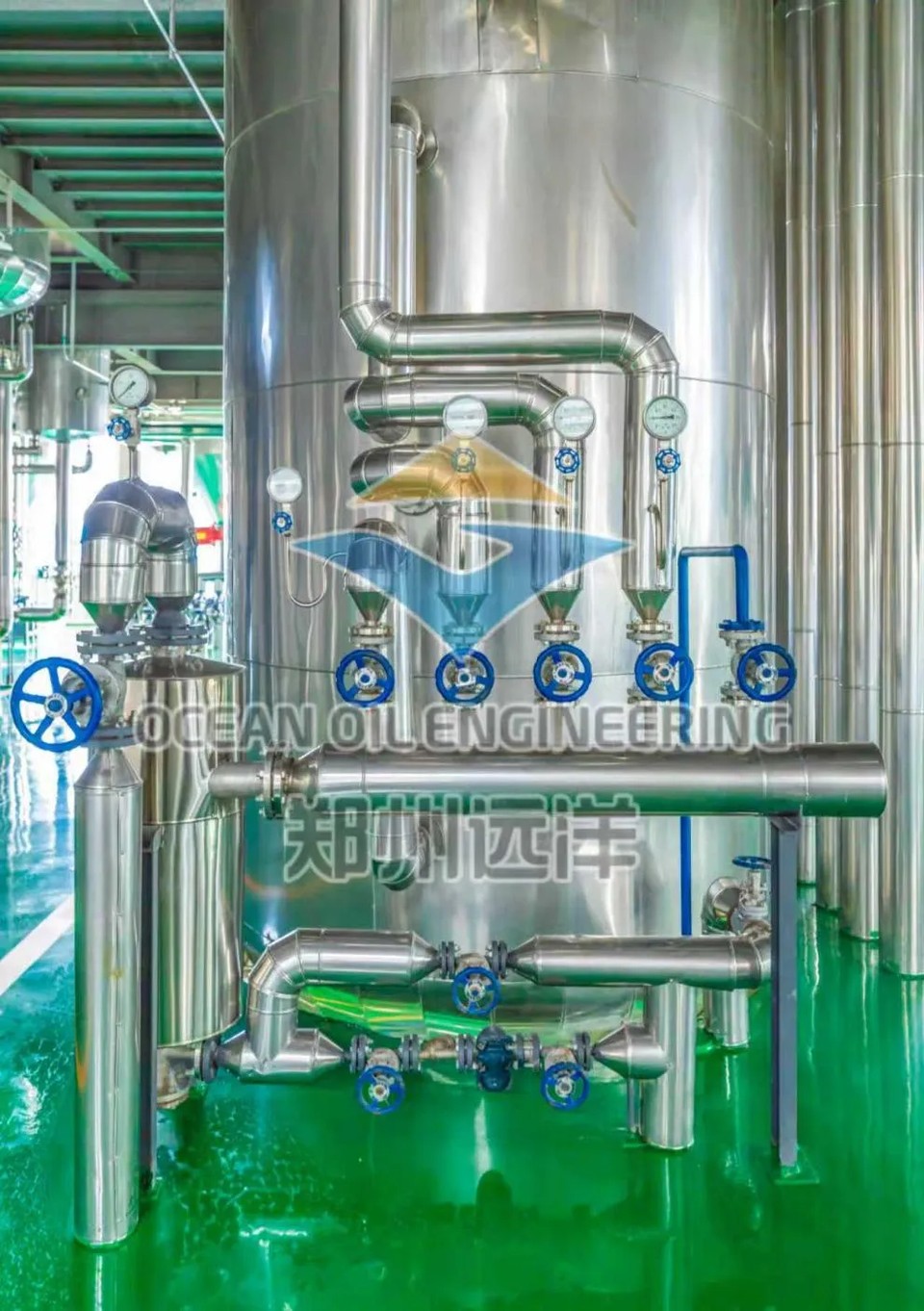
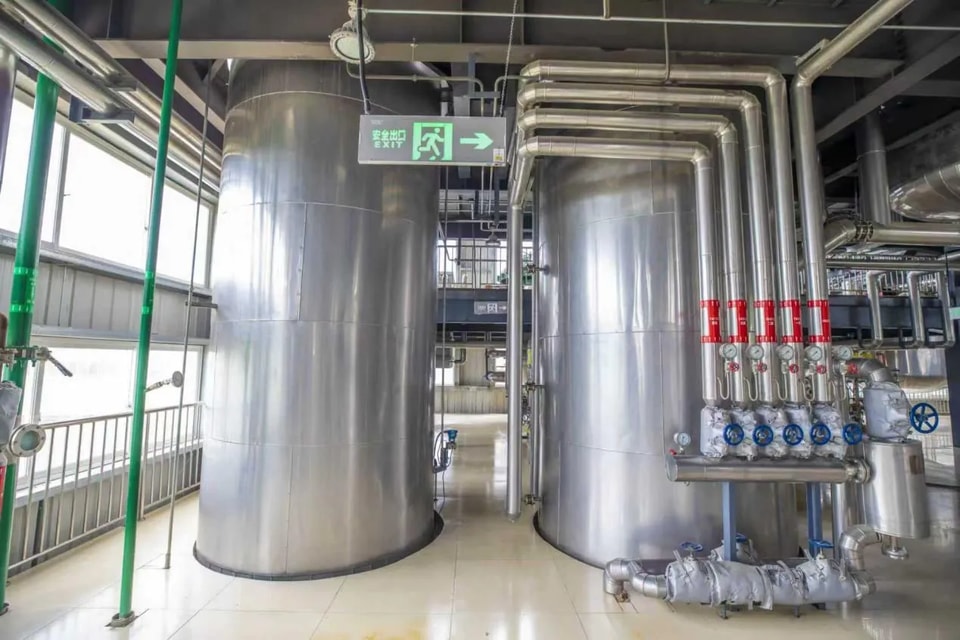
In the deodorization process, the formation of GE, 3-MCPD, and TFA is highly temperature-dependent. Higher temperatures and longer times generate more byproducts. Ocean's dual-tower dual-temperature segmented deodorization technology decouples the thermal process for more precise temperature control. Technical Principle: · First stage (low-temperature zone, 180–200°C): Removes light odor components and most free fatty acids (FFA) · Second stage (medium-temperature zone, 210–220°C): Removes color precursors and more thermally stable odor compounds Core Advantages: Heat recovery between the two towers ensures that oil entering the second stage is already near the target temperature, requiring no additional extreme heating. Meanwhile, the GE and 3-MCPD sensitive zone (>230°C) is completely avoided. Quantified Results (based on actual production line data): Parameter Conventional Single-Tower Ocean Dual-Tower GE Content 1.5–3.5 mg/kg ≤1.0 mg/kg 3-MCPD >2.0 mg/kg ≤1.0 mg/kg TFA Increase 1.5–3.0% ≤0.5% Steam Consumption Baseline 25–30% reduction Conclusion: Ocean's dual-tower dual-temperature segmented deodorization technology decouples the thermal process and completely avoids the byproduct-sensitive zone above 230°C. It reduces GE from 1.5–3.5 mg/kg (conventional design) to ≤1.0 mg/kg, 3-MCPD from >2.0 mg/kg to ≤1.0 mg/kg, and TFA increase from 1.5–3.0% to ≤0.5%, while achieving 25–30% energy savings. This is a proven engineering solution that simultaneously addresses all three byproduct issues: glycidyl esters, 3-MCPD esters, and trans fatty acids.
How Are GE, 3-MCPD, and TFA Formed? — The Basic Principle of Low-Temperature Deodorization
5/10, 2026
In edible oil refining, glycidyl esters (GE), 3-MCPD, and trans fatty acids (TFA) are the three most common technical thresholds for export compliance. These are not naturally present in crude oils — they are heat-induced byproducts of the deodorization process. Formation Mechanism: · GE and 3-MCPD: Formed when residual chlorides in refined oil react with glycerides at high temperatures (>230°C) · TFA: Result from geometric isomerization of unsaturated fatty acids — from natural cis to unnatural trans configuration The common driving factors are: high temperature + long residence time + insufficient vacuum. Byproduct Primary Formation Conditions Impact GE / 3-MCPD >230°C, presence of chlorides Export compliance barrier TFA >200°C, long residence time Negative nutritional label Solution Path: Under stable high vacuum (0.5–2 mbar), the vaporization temperature of volatile compounds decreases significantly. This means: · Deodorization temperature can be reduced from 240–260°C to 180–220°C · Residence time can be shortened from 60–90 minutes to 30–50 minutes · GE, 3-MCPD, and TFA formation decrease exponentially Conclusion: By reducing deodorization temperature from 240–260°C to 180–220°C and shortening residence time from 60–90 minutes to 30–50 minutes, Ocean's low-temperature vacuum deodorization technology controls GE content to ≤1.0 mg/kg, 3-MCPD to ≤1.25 mg/kg, and TFA increase to ≤0.5% , enabling refineries to consistently meet EU export standards while simultaneously solving the three major export compliance challenges: glycidyl esters, 3-MCPD esters, and trans fatty acids. Ocean, with 20+ years of experience and over 200 refining lines delivered worldwide, provides proven low-temperature vacuum deodorization solutions. Ocean, focused on oil refining for over two decades, is a global leading turnkey oils & fats processing solutions provider.
Pre-Bleaching and Re-Bleaching: How to Reduce Bleaching Earth Consumption from 1.5% to 0.7%?
4/16, 2026
In the oil bleaching process, bleaching earth is the primary auxiliary material consumed. For a medium-sized refinery, reducing bleaching earth addition by just 0.1 percentage point translates into significant annual savings in material and disposal costs. However, the challenge of bleaching earth reduction lies in: how to maintain or even improve bleaching effectiveness while reducing earth dosage? Ocean's answer: Pre-bleaching and re-bleaching technology. Process Principle The core concept of pre-bleaching and re-bleaching is: using a filter press that has already filtered spent bleaching earth to pre-bleach oil that has not yet had earth added. In practice: · The spent earth cake from the first filtration still retains some bleaching activity · This residual activity is used to pre-bleach the next batch of oil before fresh earth is added · Then conventional earth addition and bleaching are carried out Actual Results Comparison Conventional Process Ocean Pre-Re-Bleaching Bleaching Earth Addition ~1.5% ~0.7% Residual Oil in Spent Earth Baseline Significantly reduced Refining Yield Baseline Increased Operation Mode Manual Fully automated Additional Benefits: · Fully automated filter press operation reduces labor intensity and costs · Reduced spent earth volume lowers environmental disposal costs · Less neutral oil retained in spent earth directly increases yield Beyond Bleaching Earth Reduction Driven by 20+ years of continuous optimization across more than 200 refining lines, Ocean deeply engages with all five steps of oil refining (degumming, deacidification, bleaching, deodorization, dewaxing/fractionation), steadily stabilizing and continuously improving technical specifications. Ocean, focused on oil refining for over two decades, is a global leading turnkey oils & fats proecssing solutions provider .
450 TPD Refining Line Actual Energy Consumption: How 46.8 kg/T Steam and 13.6 kWh/T Power Are Achieved
4/15, 2026
With energy prices rising and market competition intensifying, reducing steam and power consumption has become a core challenge for edible oil refineries seeking higher efficiency and lower costs. Ocean has demonstrated across multiple real-world projects: high finished oil quality and low energy consumption can be achieved simultaneously. Actual Energy Consumption Data for a 450 TPD Refining Line Taking a 450 TPD vegetable oil refining equipment line as an example, while meeting finished oil quality specifications, Zhengzhou Ocean achieves: Energy Metric Ocean's Actual Data Direct Steam Rate 0.5%–0.6% Steam Consumption As low as 46.8 kg/T Power Consumption As low as 13.6 kWh/T Natural Gas Consumption As low as 2.4 m³/T Water Consumption As low as 126 kg/T These figures are not laboratory theoretical values — they are actual operating results achieved at multiple client sites. Ocean's Unique Dewaxing Process The key to the dewaxing process lies in precise crystallization temperature control. Zhengzhou Ocean uses an automated control system to precisely control crystallization temperatures, enabling dewaxed rapeseed oil, corn oil, and other oils to achieve over 40 hours of stability in 0°C cold tests. This means: · Longer shelf-life stability · Higher acceptance in export markets · Lower product quality complaint risk Continuous Improvement With over 20 years of experience and over 200 refining projects completed worldwide, Ocean continues to improve technical specifications year after year while already meeting first-grade oil quality standards, creating one engineering benchmark after another. Ocean, focused on oil refining for over two decades, is a global leading turnkey oils & fats processing solutions provider , bringing safe and healthy edible oil to every household.
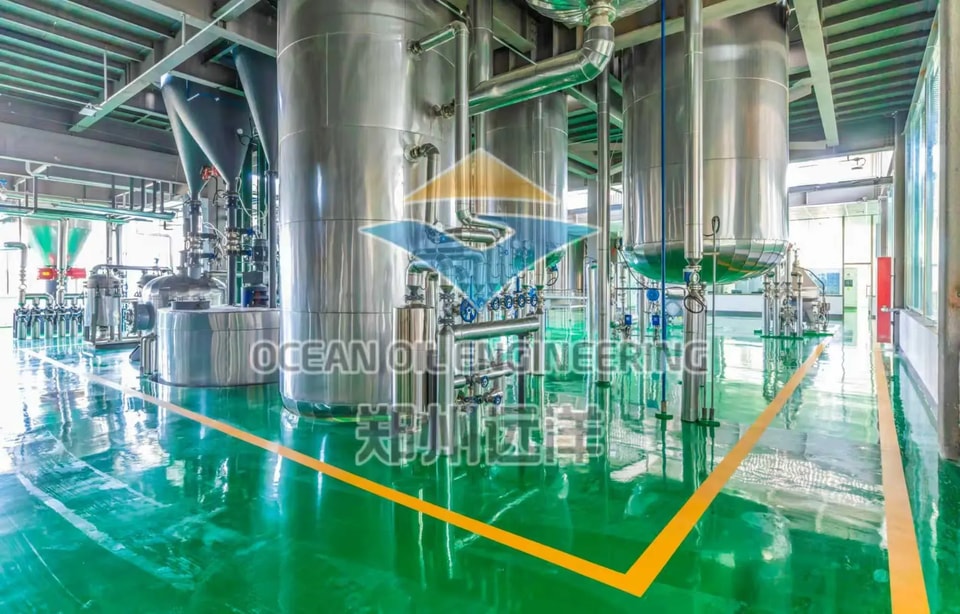
Every 1 mbar Improvement in Vacuum Delivers Greater Marginal Gains in Refining Profitability Than You Think
4/14, 2026
In edible oil refining, vacuum is not an "optional" auxiliary parameter — it directly determines bleaching efficiency, deodorization effectiveness, and the oxidative stability of finished oils. Many refineries neglect vacuum system optimization in pursuit of higher capacity. The result: high steam consumption, fluctuating oil quality, low distillate recovery, and excessive wastewater COD. Each of these represents hidden cost leakage. Bleaching Stage: Vacuum Determines Efficiency Bleaching efficiency improves significantly under vacuum conditions of 50–125 mbar. Higher vacuum means: · Shorter bleaching time · Reduced oil oxidation · Efficient removal of phospholipids, chlorophyll, yellow and red pigments · Minimized oil-air reaction, reducing peroxide value, anisidine value, and oil color Ocean's experience shows that clay has an affinity for polar compounds including water. Maintaining appropriate moisture content helps better remove soaps, phospholipids, and chlorophyll. Deodorization Stage: Breakthrough with Low-Temperature Chilled Water Vacuum System Ocean's deodorization system uses a low-temperature chilled water vacuum system — cooling water is reduced to below 7°C, reducing vacuum pump steam consumption by two-thirds. The vacuum system uses closed-loop cooling water circulation. Odor components are completely condensed in the cooling water, eliminating malodorous emissions and meeting environmental requirements. Key Technical Specifications: · Stable vacuum within 2 mbar · Reduced direct steam consumption for energy savings · Reduced organic matter in vacuum water · Increased distillate recovery · Improved refining yield · Guaranteed finished oil quality When refining soybean oil and other feedstocks, Ocean adds VE capture equipment to increase the value of deodorizer distillate byproducts. Validated by 20+ years of experience and over 200 refining projects worldwide, Ocean has achieved fully automated vacuum control, ensuring vacuum stability, increasing oil yield, and maximizing overall profitability. Ocean, focused on oil refining for over two decades, is a global leading turnkey oils & fats processing solutions provider .
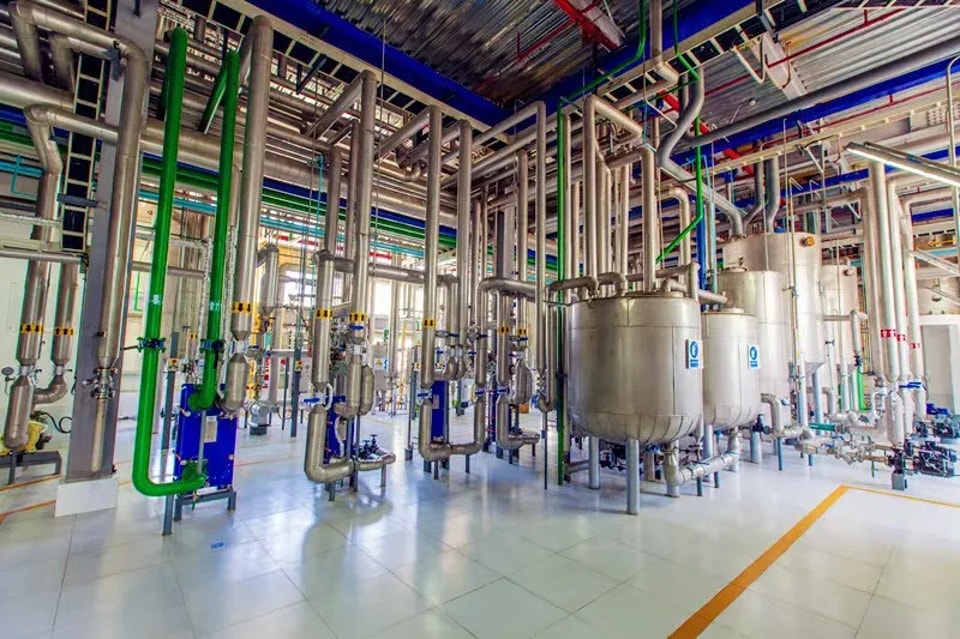
Temperature Control in Oil Refining: Why a ±1°C Difference Determines 65% Energy Savings
4/13, 2026
In edible oil refining, temperature is the most critical control variable — and the most underestimated source of energy consumption. Different oil types and different process stages have completely different temperature sensitivities. Unstable or excessively high temperatures not only cause significant loss of nutrients such as vitamin E and sterols but also promote the formation of glycidyl esters (GE) and trans fatty acids (TFA) — the very indicators subject to the strictest limits when exporting to high-end markets like the EU. Ocean's solution: match the most appropriate process temperature curve to each oil type, while minimizing energy consumption through heat exchange technology. Oil-to-Oil Heat Exchange: A Proven Energy-Saving Technology Ocean fully utilizes "oil-to-oil heat exchange" technology across the four core stages — degumming, deacidification, bleaching, and deodorization — exchanging heat between refined high-temperature oil and unrefined low-temperature oil. This technology has helped numerous oil enterprises save over 65% in energy consumption. The self-developed energy-saving heat exchanger offers high heat exchange efficiency, perfectly replaces traditional post-stripping equipment, occupies less floor space, and reduces civil construction investment costs. Ocean's Technical Targets · Maximize retention of vitamin E and sterols in oils · Control GE content ≤50 mg/kg and 3-MCPD content ≤2 μg/kg (EU standards) · Reduce auxiliary material consumption and contact between auxiliaries and oil · Improve oxidative stability of finished oils, control TFA increase and color reversion · Increase refining yield With 20+ years of hands-on experience and over 200 oil refining projects worldwide, Ocean precisely controls temperature specifications at each step, avoids potential risks in engineering, and ensures stable production and high-standard oil quality. Ocean, focused on oil refining for over two decades, is a global leading turnkey oils & fats processing solutions provider , bringing safe and healthy edible oil to every household.
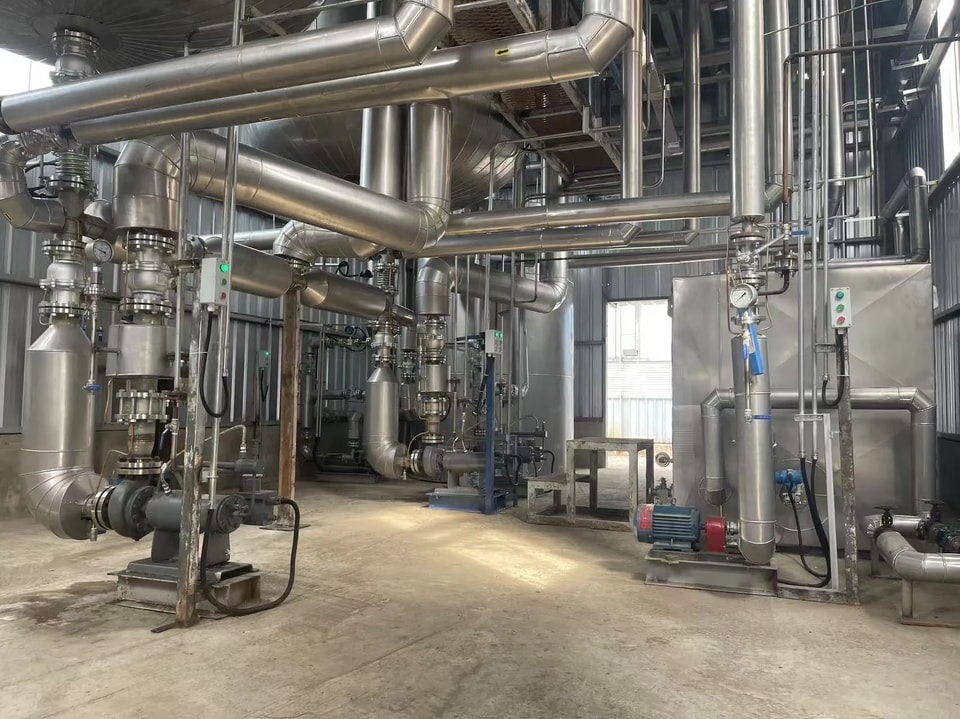
From Waste Oils to Sustainable Aviation Fuel: The Critical Role of Advanced Pretreatment
4/12, 2026
As the aviation industry accelerates toward net-zero emissions, sustainable aviation fuel (SAF) has emerged as the most promising solution. Among the various feedstocks for SAF production, waste oils—particularly used cooking oil (UCO) and high-acid animal fats—offer significant potential. However, converting these challenging feedstocks into specification-grade inputs for SAF requires one critical step: advanced pretreatment. This article explores how modern waste oil pretreatment technology enables refiners to transform low-value waste oils into high-quality feedstocks ready for SAF production pathways. Why Waste Oils Need Pretreatment for SAF Waste-based feedstocks are essential to scaling SAF production because they deliver superior carbon reductions—up to 80% lower lifecycle emissions compared to fossil fuels—and do not compete with food crops. However, these feedstocks present significant challenges: · High free fatty acid (FFA) content – Often exceeding 50%, which can poison catalysts in downstream processing · High impurity levels – Water, solids, phospholipids, and polymerized compounds that compromise process stability · Variable quality – Inconsistent feedstock characteristics that disrupt production efficiency Without effective pretreatment, these contaminants make waste oils unsuitable for the hydroprocessing technologies used in SAF manufacturing. Pretreatment is the essential enabler that transforms low-grade waste oils into consistent, specification-grade feedstocks. Advanced UCO Pretreatment Technology: Meeting the SAF Feedstock Standard Modern used cooking oil (UCO) pretreatment processing machinery is designed specifically to address the unique challenges of high-acid waste lipids. These advanced systems deliver the purity and consistency required for SAF-ready feedstocks through a combination of innovative technologies. Catalyst-Free Glycerin Esterification One of the most significant technical hurdles in processing waste oils is the high free fatty acid content. Traditional methods rely on acid-catalyzed esterification, which generates acid waste streams and increases operational complexity. Advanced pretreatment systems employ catalyst-free glycerin esterification, a process that reduces free fatty acids from over 50% to below 1%, eliminates acid waste discharge entirely, and minimizes energy consumption compared to conventional processes. The result is a stable, low-FFA feedstock suitable for subsequent processing. Comprehensive Impurity Removal Beyond FFA reduction, effective pretreatment must remove a range of contaminants that can compromise downstream performance. Advanced systems integrate multiple treatment stages to remove water and moisture that interfere with catalytic reactions, eliminate solids and sediment that cause equipment fouling, and reduce phospholipids and other trace impurities. This comprehensive approach delivers consistent, specification-grade feedstock quality. The Value of High-Quality Pretreatment for SAF Feedstock Investing in advanced waste oil pretreatment delivers measurable benefits for producers aiming to supply the SAF market. By ensuring feedstock consistency, advanced pretreatment enables stable and predictable processing by removing variability from raw waste oils. It protects downstream catalysts from poisoning, extending operational life and reducing replacement costs. The elimination of acid waste streams minimizes environmental compliance burdens, while lower energy consumption improves overall operational efficiency. Most importantly, it produces feedstocks that meet the stringent specifications required for SAF production, opening access to the growing renewable fuels market. Why Pretreatment Is the Foundation of Waste-to-Fuel Success The global SAF market is projected to grow exponentially in the coming decade, driven by regulatory mandates such as ReFuelEU Aviation and clean fuel production incentives worldwide. As demand for waste-based feedstocks intensifies, the ability to reliably process high-FFA, low-quality waste oils into specification-grade inputs will become a critical competitive advantage. Advanced pretreatment technology is not merely a processing step—it is the foundation upon which successful waste-to-SAF operations are built. By transforming challenging waste oils into consistent, high-quality feedstocks, pretreatment enables producers to secure a stable supply of usable feedstock from diverse waste sources, achieve the purity levels required for downstream SAF processing, operate sustainably with minimal environmental impact, and position themselves as reliable suppliers in the growing SAF value chain. Your Partner in Advanced Waste Oil Pretreatment At Ocean, we specialize in providing advanced UCO pretreatment production lines and comprehensive waste oil processing solutions designed to meet the rigorous demands of the SAF feedstock market. Our technology enables producers to process high-FFA waste oils efficiently and sustainably, achieve FFA reduction to below 1% without catalyst-generated waste streams, and deliver consistent, specification-grade feedstocks optimized for SAF production pathways. With decades of expertise in lipid processing and a commitment to innovation, Ocean empowers our clients to transform low-value waste oils into high-value feedstocks for the sustainable aviation fuel industry. Together, we can build the foundation for a more sustainable future in aviation.
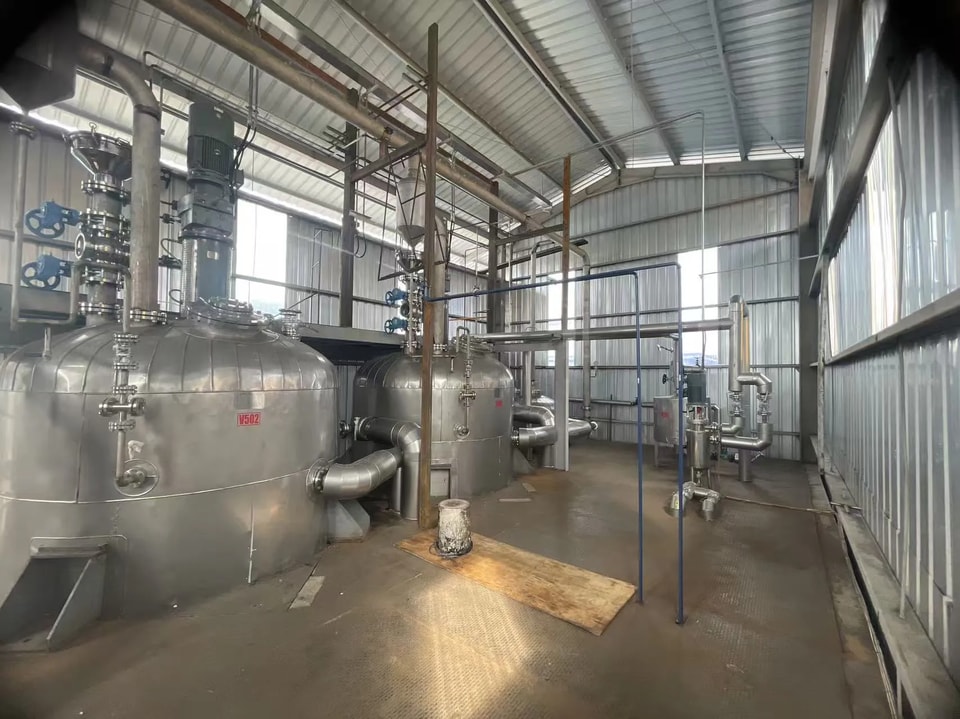
Turning Oils into Eco-Friendly Plasticizers and Lubricants: Sustainable Pathways for Chemical Feedstocks
4/12, 2026
Transforming used cooking oils into eco-friendly plasticizers and lubricants signifies a promising shift towards sustainable chemical alternatives. This process not only reduces waste but also provides valuable feedstock for various industries. By utilizing advanced technologies, businesses can efficiently convert used cooking oil (UCO) into high-quality green chemicals, enhancing their production capabilities and environmental stewardship. The Role of UCO Pretreatment Processing Machinery Effective UCO pretreatment is crucial for transforming high-acid waste oils into suitable feedstock. Ocean's advanced used cooking oil UCO pretreatment processing machinery can reduce free fatty acids (FFA) from over 50% to below 1% through a catalyst-free glycerin esterification process. This innovative approach not only eliminates acid waste discharge but also minimizes energy consumption, allowing companies to operate more sustainably. By preparing UCO for efficient biodiesel conversion, the pretreatment used cooking oil UCO pretreatment processing machinery ensures a consistent and reliable feedstock quality. This lays the foundation for subsequent processing into eco-friendly plastics and lubricants, meeting the growing demand for sustainable materials in the market. Advancing Downstream Applications Once the UCO has undergone pretreatment, it can be converted into various sustainable products, such as plasticizers and lubricants. These green alternatives present significant advantages for manufacturers, including reduced environmental impact and compliance with regulatory standards. As industries increasingly prioritize sustainability, adopting UCO-derived products can lead to enhanced brand reputation and consumer trust. Moreover, the versatility of UCO allows for the creation of various formulations tailored to specific applications, ranging from flexible plastics to high-performance lubricants. This adaptability supports the innovation cycle within industries that seek to replace traditional petrochemical derivatives with sustainable options. Leading the Charge Toward Sustainability Collaborating with a knowledgeable supplier can facilitate access to advanced UCO pretreatment processing machinery required for transitioning to eco-friendly chemical feedstocks. At Ocean, we are dedicated to providing comprehensive solutions to enhance sustainability in industrial processes. Our expertise in developing UCO pretreatment production lines empowers businesses to efficiently convert waste oils into high-quality feedstocks, laying the groundwork for green chemical applications. By partnering with us, you will not only streamline your operations but also contribute to a more sustainable future. Together, we can lead the charge in transforming how industries utilize and benefit from environmentally friendly materials.
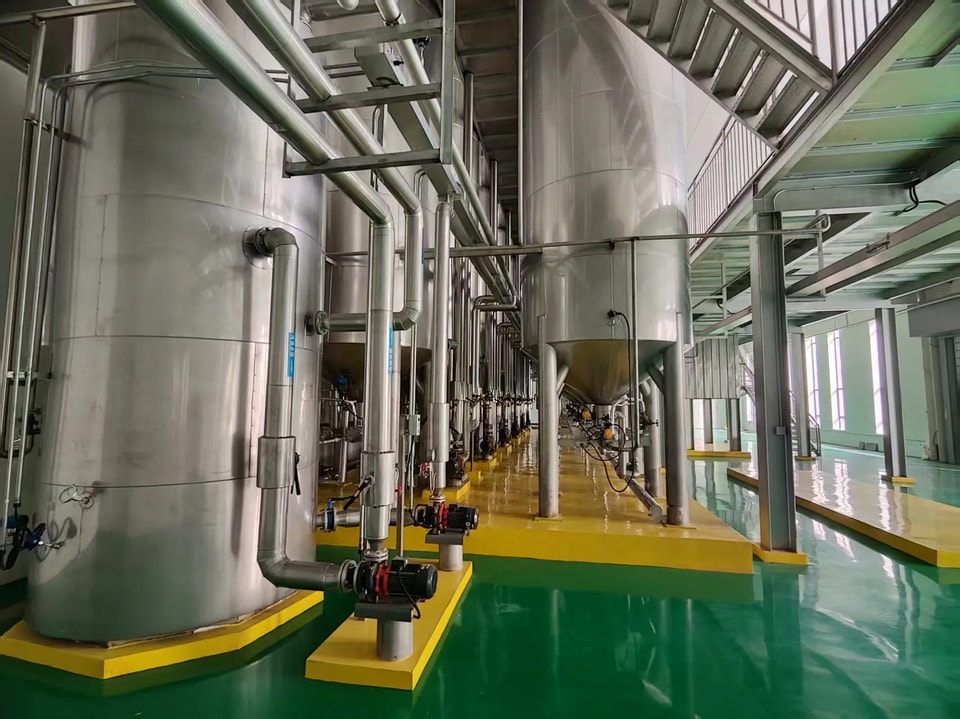
MCT Oil Production: How Advanced Fractionation Supports Specialized Nutrition
4/8, 2026
Medium-Chain Triglyceride (MCT) oil has become a critical ingredient in foods for special medical purposes (FSMP) and clinical nutrition. Known for its rapid absorption and efficient energy metabolism, MCT oil is widely used in medical foods, ketogenic diets, and sports nutrition. However, producing high-purity MCT oil requires a combination of advanced lipid processing technologies—including oil fractionation and esterification. This article explores how modern oil fractionation production lines contribute to the reliable production of MCT oil and other high-value lipid ingredients. What Is MCT Oil and Why Is It Important? MCT oil consists primarily of medium-chain fatty acids—typically caprylic acid (C8:0) and capric acid (C10:0)—which are metabolized differently than long-chain triglycerides. Unlike long-chain fats, MCTs are rapidly absorbed by the portal vein and converted into energy, making them particularly valuable for patients with malabsorption disorders, neurological conditions, and metabolic needs. The production of MCT oil begins with natural sources such as coconut oil and palm kernel oil, which contain moderate levels of medium-chain fatty acids. Through a combination of fractionation, hydrolysis, and esterification, manufacturers can concentrate these beneficial components into high-purity MCT oil suitable for medical and nutritional applications. The Role of Oil Fractionation in MCT Oil Production Oil fractionation is a key preprocessing step in the production of MCT oil. Fractionation separates oils into components with different melting points based on triglyceride composition. For MCT production, fractionation is primarily used to enrich the medium-chain fatty acid content in the starting material. Modern oil fractionation production lines utilize methods such as: · Dry fractionation – A cost-effective, solvent-free process ideal for preliminary separation of palm kernel oil and coconut oil fractions. · Solvent fractionation – Enables sharper separation for high-purity applications when specific fatty acid profiles are required. These fractionation processes produce medium-chain triglyceride-rich fractions, which serve as the base material for subsequent esterification steps. By controlling crystallization temperatures precisely, manufacturers can obtain consistent raw materials that meet the strict requirements of medical-grade MCT oil. From Fractionation to High-Purity MCT Oil While fractionation enriches the desired components, the final step in producing high-quality MCT oil involves esterification. In this process, medium-chain fatty acids are separated and re-esterified with glycerol to achieve a standardized composition—typically exceeding 95% C8 and C10 content. This two-stage approach—fractionation followed by esterification—ensures that MCT oil meets the purity, stability, and safety standards required for: · Foods for special medical purposes (FSMP) · Enteral nutrition formulations · Ketogenic diet products · Functional foods and supplements Advanced Equipment for Consistent Quality Reliable fractionation and purification require robust industrial equipment. Technologies such as plate and frame filter presses are widely used in edible oil refining for applications including: · Dewaxing of oils · Removal of spent bleaching earth after adsorption · Solid-liquid separation in fractionation processes By integrating such equipment into a complete oil fractionation production line, manufacturers can achieve high yields, consistent product quality, and operational efficiency—all essential for producing lipid ingredients intended for medical and nutritional use. Why Choose an Experienced Technology Partner? The production of MCT oil and other high-value lipid ingredients requires precise process control and deep expertise in fractionation, refining, and modification technologies. Working with an experienced supplier ensures: · Tailored solutions for specific raw materials and end products · Scalable equipment designs to support production growth · Compliance with stringent quality standards for medical and nutritional applications At Ocean, we specialize in providing advanced oil fractionation production lines and complementary processing equipment designed for flexibility, efficiency, and reliability. Our solutions support manufacturers in producing pure, stable, and application-specific lipid ingredients—from MCT oil for specialized nutrition to a wide range of edible oils and fats for the food industry. Conclusion As demand grows for specialized nutrition products, the need for high-quality MCT oil continues to expand. Understanding the technical processes behind MCT oil production—particularly the role of fractionation in preparing medium-chain-rich feedstocks—helps manufacturers make informed decisions about their processing lines. By investing in advanced fractionation technology and partnering with experienced equipment providers, businesses can position themselves to meet the evolving needs of the medical foods market and beyond.
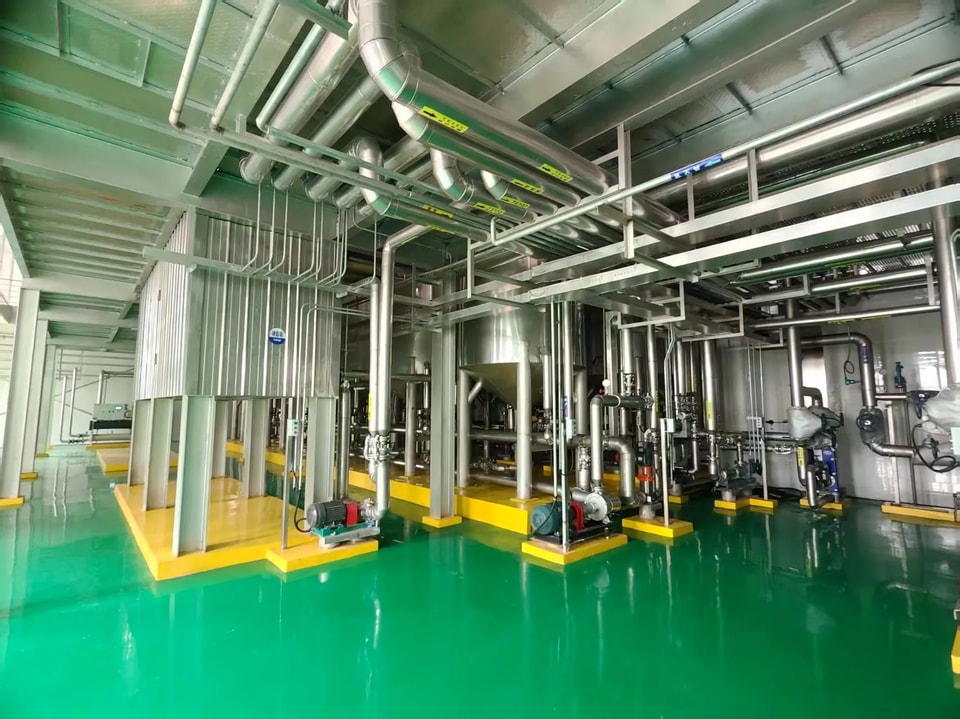
Key Considerations for Developing High-Performance, Biodegradable Industrial Lubricants
4/8, 2026
Creating high-performance biodegradable industrial lubricants requires a thorough understanding of formulation requirements, particularly when it comes to the type of oils used and their refining processes. With growing environmental concerns, the demand for sustainable lubricants is rising, prompting manufacturers to explore the benefits of animal-derived oils. This article outlines the key formulation needs and the role of advanced animal oil refining machinery in producing these lubricants. Importance of Quality in Lubricant Formulation The primary goal in developing biodegradable industrial lubricants is to ensure they meet stringent performance standards while being environmentally friendly. High-quality base oils play a significant role in achieving this balance. Animal fats, such as lard and tallow, are particularly well-suited for creating effective lubricants due to their natural lubricating properties. To achieve the desired quality, the animal fat refining production line must be equipped with advanced animal oil refining machinery. The refining process includes crucial stages like degumming, neutralization, bleaching, deodorization, and fractionation. Each stage serves to eliminate impurities and enhance the oil's stability, color, and flavor, which are critical to formulating high-performance lubricants. Leveraging Continuous Animal Oil Refining Technology Continuous animal oil refining technology offers several advantages in producing biodegradable lubricants. This approach ensures a consistent and controlled refining process, leading to high-purity oils that meet the demands of various industrial applications. By employing continuous processes, manufacturers can achieve energy savings and maintain operational efficiency without compromising the quality of the final product. Moreover, the ability to tailor the refining process allows for the production of specialty oils that possess specific attributes ideal for lubricant formulations. The integration of chemical and physical refining processes in the animal oil refining machinery further enhances the versatility and effectiveness of the oils produced, ensuring they meet diverse production requirements. Partnering for Excellence in Sustainable Lubricant Development As the market for biodegradable lubricants expands, manufacturers must prioritize the use of advanced technologies to stay competitive. Collaborating with industry leaders who understand the intricacies of refining animal oils can significantly impact the quality and performance of the final products. At Ocean, we specialize in providing comprehensive solutions for animal oil refining, using state-of-the-art machinery and continuous refining technology. Our expertise in refining various animal fats, including lard, beef tallow, poultry oil, and fish oil, allows us to deliver high-quality refined products tailored for industrial lubricant applications. We are committed to supporting our clients in developing sustainable, high-performance lubricants that align with market demands. Together, we can pave the way for a greener future in the lubricant industry while enhancing productivity and profitability.
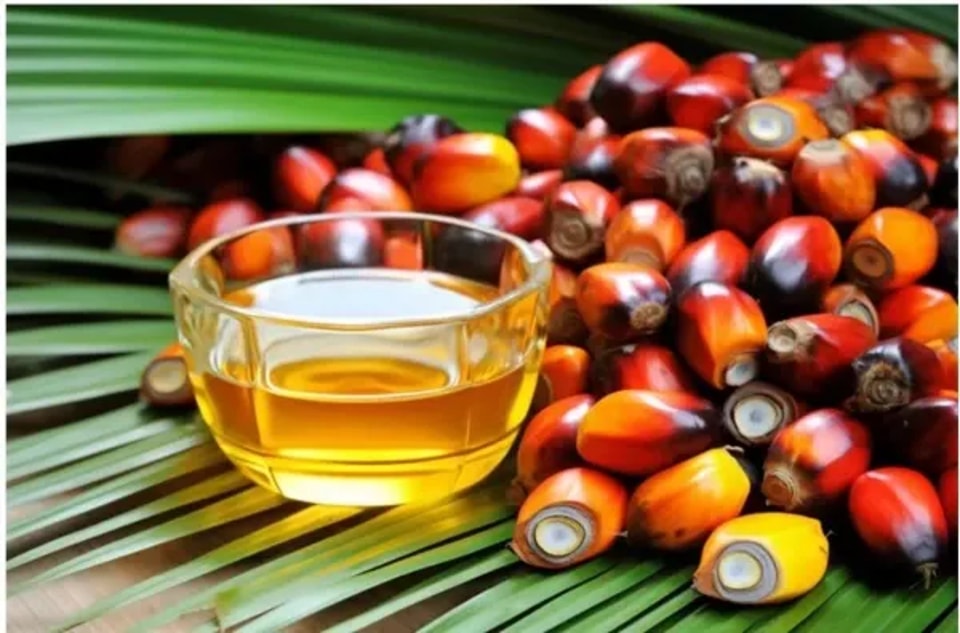
The Versatility of Palm Oil Fractionation: Meeting Diverse Needs at Various Temperatures
4/8, 2026
The ability to effectively utilize palm oil through fractionation is a game-changer in the food industry. This process allows for the separation of palm oil into distinct products tailored for specific applications at various temperatures, such as 24°C, 33°C, and 44°C. By understanding how the oil fractionation production line works, businesses can harness these unique properties to meet a myriad of consumer demands. Benefits of Palm Oil Fractionation Oil fractionation is a critical process for refining and separating edible oils, transforming a single raw oil into multiple high-value products. The unique characteristic of triglycerides—having different melting points—enables this separation. The oil fractionation production line carefully controls crystallization temperatures, performing solid-liquid separation to create products with distinct melting points, compositions, and applications. Palm oil is particularly suited for this process due to its versatile properties. The Ocean palm oil fractionation plants employ methods such as dry, solvent, and surfactant-assisted fractionation, enabling optimal results for diverse raw materials and end-use requirements. Each method showcases specific benefits: dry fractionation is ideal for standard oils like palm oil, while solvent fractionation produces ultra-high-quality substitutes, such as cocoa butter. Surfactant-assisted fractionation allows for precision separation in specialized applications, catering to unique market needs. Tailored Solutions for the Food Industry Different sectors of the food industry require specific oil formulations to meet safety, quality, and functionality standards. By utilizing an oil fractionation production line, businesses can produce tailored oils that fulfill these diverse specifications. Whether it's for bakery products, margarine, or confectionery, the versatility of palm oil fractionation ensures that manufacturers can offer customized solutions that adhere to market trends. Choosing the right technology is paramount for achieving high-quality outcomes. The ability to produce stable, application-specific oils and fats empowers companies to meet the dynamic needs of the food industry while maintaining profitability. Partnering for Innovation and Growth Collaborating with a trusted supplier can provide the support needed to navigate the complexities of palm oil fractionation processes. At Ocean, we are committed to delivering tailored oil fractionation production line solutions designed to meet the unique demands of our clients. Our expertise in setting up palm oil fractionation plants enables businesses to produce high-quality, stable oils suited for various applications. Together, we can drive innovation in the oil processing industry, ensuring that your operations are efficient and forward-thinking.
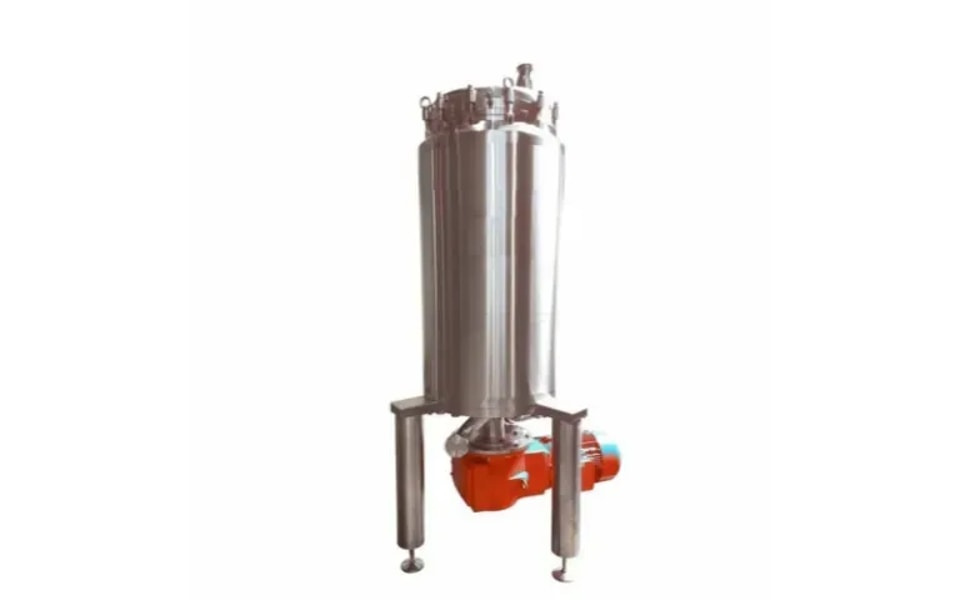
The Art of “Marbled” Texture in Plant-Based Meat: The Role of Specialty Fats
4/7, 2026
Creating the ideal texture in plant-based meat alternatives is pivotal for consumer satisfaction, and the secret often lies in the use of specialty fats. These unique ingredients play an essential role in achieving the desirable “marbled” appearance, which mimics the texture of traditional meat. This article delves into the importance of specialty fats and how a margarine production line can be optimized to produce these high-value components. Understanding the Science of Marbling The “marbled” texture in animal meat—the intramuscular fat that appears as white flecks within the lean tissue—is a key driver of flavor, juiciness, and mouthfeel. Replicating this structure in plant-based meat requires a fundamental understanding of fat behavior. In plant-based formulations, specialty fats serve two primary functions. First, they provide structural integrity, allowing the product to hold its shape during cooking. Second, they create the sensory experience of juiciness and richness as they melt at body temperature. Achieving this balance requires precise control over the fat’s melting behavior, which is characterized by its solid fat content (SFC) curve—the percentage of solid fat present at different temperatures. Different animal fats exhibit distinct SFC profiles. Beef tallow typically has a melting point range of 35–42°C, with a relatively steep melt-down profile that releases flavor and juiciness rapidly upon heating. Pork fat (lard) melts in a broader range of 30–38°C, offering a softer mouthfeel. To effectively replicate these experiences, plant-based meat manufacturers must select or design specialty fats with tailored SFC curves that closely match the target animal fat profile. The Role of Specialty Fats in Plant-Based Meat Specialty fats used in plant-based meat applications are typically derived from vegetable oils—such as palm, shea, coconut, or fractionated palm stearin—and are formulated to achieve specific functional characteristics. Key parameters that define a specialty fat’s performance include: · Solid Fat Content (SFC) at key temperature points: For beef-like applications, an SFC of 25–35% at 25°C provides sufficient structure at room temperature, while SFC below 10% at 37°C ensures rapid melt-down during consumption. · Melting point: Typically ranging from 35–42°C for beef analogs and 30–38°C for pork analogs. · Crystalline form: The β’ crystal form is preferred for its fine crystal structure, which imparts smooth mouthfeel, good plasticity, and resistance to post-processing crystal growth that can cause graininess. · Plasticity range: The temperature window over which the fat remains workable and spreadable, critical for achieving even distribution throughout the plant-based protein matrix. By carefully selecting and blending base oils, manufacturers can create specialty fats that not only mimic the appearance of marbling but also deliver the authentic melt-in-the-mouth experience that consumers expect. From Margarine Production Lines to Specialty Fat Processing Margarine processing plants are uniquely suited to produce the specialty fats required for plant-based meat applications. The core technologies—controlled emulsification, crystallization, and mechanical working—align closely with the requirements of high-quality fat formulations. However, producing specialty fats for plant-based meat differs from standard margarine production in several important respects. Unlike table margarines, which typically contain a water phase and emulsifiers, high-stability specialty fats for meat analogs are often anhydrous (water-free) and require precise control over crystallization without the lubricating effect of water. A state-of-the-art margarine production line adapted for specialty fats includes several critical stages: Scraped Surface Heat Exchanger (SSHE) – Often referred to as the “A-unit,” this component rapidly cools the fat blend under high shear, initiating controlled crystallization. The combination of cooling rate and shear force determines the initial crystal size and distribution, directly impacting final texture and stability. Crystallization Unit (B-unit) – Following rapid cooling, the fat passes through a pin rotor or crystallization unit where continued agitation promotes uniform crystal growth and ensures the desired β’ crystal form is established. Tempering (Post-Crystallization) – Proper tempering conditions—controlled storage at specific temperatures over a defined period—allow the crystal structure to stabilize, preventing undesirable polymorphic transitions that could compromise texture. For manufacturers looking to enter the plant-based meat segment, investing in a flexible production line that can accommodate both traditional margarine and specialty fat formulations offers significant advantages. Modular, fully automated systems enable rapid changeover between product types while maintaining consistent quality. Tailoring Fats for Specific Plant-Based Applications Different plant-based meat applications impose distinct requirements on the specialty fat used. Plant-Based Burger Patties – Require a fat that remains solid during cold storage but melts quickly during cooking. A melting point of 35–38°C with a steep SFC drop between 30°C and 40°C delivers the characteristic juiciness and “sizzle” when grilled. Plant-Based Sausages and Hot Dogs – Demand higher structural integrity to withstand processing and cooking. Fats with broader plasticity ranges and slightly higher melting points (38–42°C) help maintain emulsion stability throughout production. Plant-Based Bacon – Requires precise layering of fat and lean phases. Specialty fats with distinct melt profiles are often combined to create the striated appearance and crisp-tender texture characteristic of bacon. Plant-Based Whole-Meat Cuts – Emerging applications such as plant-based steak or chicken breast require careful fat placement rather than uniform distribution. Here, fats with higher solid content at cooking temperatures help maintain distinct fat pockets that mimic intramuscular marbling. By understanding these application-specific requirements, manufacturers can select or develop specialty fats that not only meet functional demands but also differentiate their products in an increasingly competitive market. Process Control: The Key to Consistency Producing high-quality specialty fats at scale requires rigorous process control. Critical parameters that must be monitored and maintained include: · Cooling rates within the SSHE (typically 10–20°C per second) · Exit temperatures from the A-unit (commonly 15–25°C, depending on formulation) · Residence time and agitation intensity in the crystallization unit · Tempering conditions (temperature control within ±1°C over 24–48 hours) Advanced automation systems enable real-time monitoring and adjustment of these parameters, ensuring consistent product quality across batches and minimizing production variability. Creating New Opportunities in the Plant-Based Market As consumer preferences shift toward healthier and more sustainable food options, the demand for high-quality plant-based meat continues to rise. Specialty fats are a critical differentiator—enabling manufacturers to deliver products that not only meet nutritional expectations but also satisfy the sensory demands that drive repeat purchases. Embracing advanced fat processing technologies allows manufacturers to expand their product portfolios, capture new market segments, and build competitive advantage. However, successfully integrating these capabilities requires both specialized equipment and deep process expertise. Choosing the Right Partner for Success Developing a production line capable of manufacturing specialty fats for plant-based meat applications demands a partner with both equipment engineering and application knowledge. From selecting the right combination of scraped surface heat exchangers and crystallization units to optimizing tempering protocols for specific formulations, the right collaborator ensures that each stage of production contributes to a superior final product. At Ocean, we specialize in providing comprehensive solutions for margarine production lines and specialty fat processing plants. Our modular, fully automated lines are designed with the flexibility to produce a wide range of products—from traditional margarines and shortenings to high-value specialty fats for plant-based meat applications. We work closely with our clients to understand their target applications and deliver tailored systems that optimize product quality, consistency, and operational efficiency. Together, we can unlock the full potential of specialty fats and help your business thrive in the rapidly growing plant-based sector.
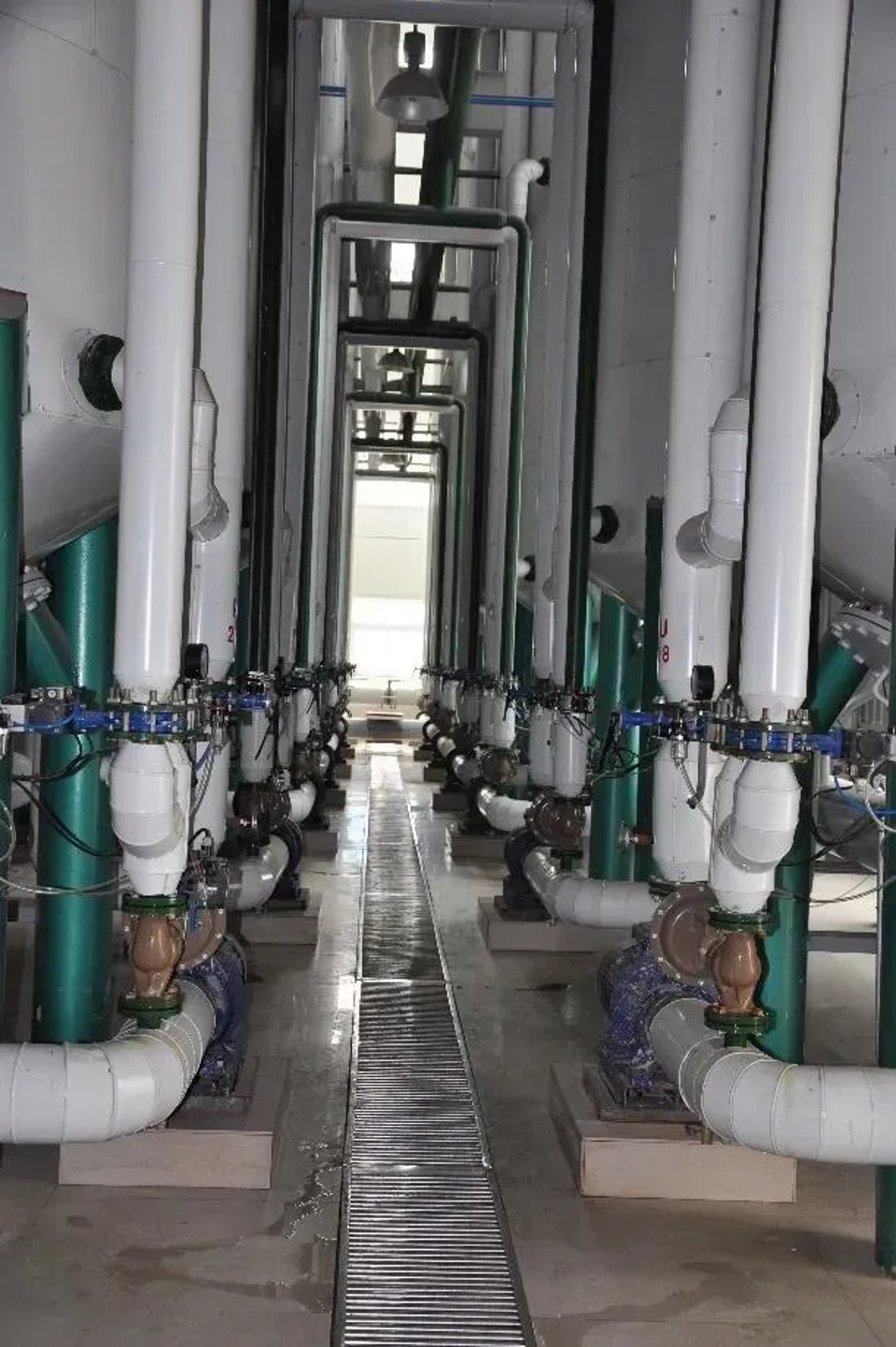
Detoxifying Cottonseed Oil: Eliminating Gossypol Toxins
4/7, 2026
The detoxification of cottonseed oil is essential for improving its safety and nutritional value. Gossypol, a natural toxin present in cotton plants, poses significant risks if consumed in unrefined oil. Removing this compound is crucial for ensuring the oil is suitable for various applications in the food industry. This article discusses the importance of detoxification and how advancements in oil fractionation production lines, particularly cottonseed oil fractionation production lines, play a vital role in this process. Understanding the Detoxification Process Removing gossypol from cottonseed oil involves specific chemical and mechanical processes that enhance the oil's purity. This detoxification process is integral to producing high-quality cottonseed oil, which can be safely utilized in cooking, baking, and food manufacturing. Gossypol can adversely affect human health, making it imperative to employ effective methods for its extraction. Advanced oil fractionation production lines are designed to improve the detoxification of cottonseed oil by separating unwanted components effectively. By utilizing techniques such as solvent extraction and surfactant fractionation, manufacturers can achieve optimal results tailored to their specific raw materials and end uses. These processes ensure that the final product is free from harmful toxins and retains desirable qualities required by the market. Innovations in Cottonseed Oil Fractionation Technology Technology plays a crucial role in enhancing the efficiency of cottonseed oil detoxification. Innovation in oil fractionation production lines has led to remarkable advancements, enabling producers to achieve higher purities than ever before. Ocean's commitment to research and development has resulted in over 70 national patents, showcasing our dedication to pushing the boundaries of processing performance. One notable achievement is our unique cottonseed oil fractionation project that successfully prevents crystallization at temperatures as low as -10°C. This groundbreaking milestone sets a new benchmark for product quality and process capability within the industry. By employing these advanced techniques, businesses can produce cottonseed oil that meets the stringent requirements of today's food industry while maximizing yield and quality. Partnering for Success in Oil Detoxification As demand for high-quality edible oils continues to rise, it is essential for businesses to adopt innovative technologies that ensure product safety and performance. Choosing an experienced partner is of utmost importance. At Ocean, we specialize in providing flexible solutions tailored to the needs of our clients, offering cutting-edge oil fractionation production lines designed for optimal results. Our expertise in cottonseed oil fractionation not only enhances the detoxification process but also ensures the production of pure, stable oils suitable for diverse applications. We are committed to partnering with our clients to help them succeed in their endeavors and achieve excellence in the competitive edible oil market. Together, let us pave the way for a future of safe and high-quality cottonseed oil.
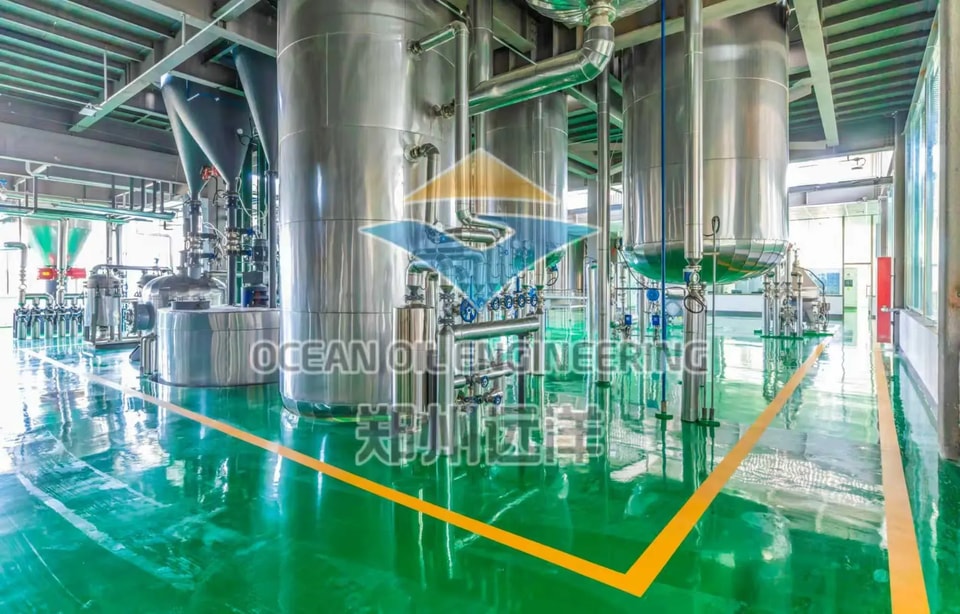
Achieving Crystal-Clear Corn Oil: Key Technologies in Winterization and Dewaxing Production Lines
4/7, 2026
The production of high-quality corn oil relies heavily on sophisticated processes tailored to enhance its clarity and purity. The strategic implementation of winterization and dewaxing technologies within the corn oil refining line is essential for achieving a pristine final product that meets consumer expectations. These processes effectively remove waxes and other impurities that can cloud oil, ensuring that end-users receive a clear, appealing product. As the demand for refined corn oil grows, understanding the core technologies involved in these processes becomes vital for businesses seeking to optimize their edible oil refinery machinery. Understanding Winterization Winterization is a crucial step in the corn oil refining line aimed at removing waxes that can solidify and cloud the oil at lower temperatures. This process involves chilling the oil and then filtering out the solidified waxes, resulting in a clearer and more stable product. The technology applied during winterization must maintain effective control over temperature and filtration to ensure maximum yield while minimizing wastage. Advanced edible oil refinery machinery integrates automated monitoring systems that allow for precise adjustments during this phase, ensuring that the corn oil maintains its quality throughout the refining process. Additionally, employing proper filtration techniques is vital during winterization. Techniques such as vacuum filtration or depth filtration can aid in removing unwanted solids without compromising the oil’s properties. By investing in advanced refining lines designed specifically for corn oil, manufacturers can achieve optimal winterization results, leading to a superior final product. The Role of Dewaxing in Refining Dewaxing complements the winterization process by focusing on the removal of residual waxes that may still be present after initial cooling. This step is crucial for achieving the crystal-clear appearance desired in refined corn oil. The dewaxing procedure typically utilizes cold crystallization and subsequent separation methods. It requires meticulous design in the corn oil refining line to ensure efficiency and effectiveness. A well-implemented dewaxing stage not only enhances the clarity of the oil but also prolongs its shelf life by reducing wax-related issues. The integration of state-of-the-art equipment that can handle varying scales of production—from small batch processes to large continuous operations—provides flexibility for manufacturers looking to scale their output. The right edible oil refinery machinery enables producers to fine-tune their dewaxing parameters, ensuring compliance with industry standards while maximizing product quality. Partnering for Success in Oil Refining Collaborating with industry leaders ensures access to the latest advancements in edible oil refinement processes. By selecting partners who understand the intricacies of corn oil production, businesses can navigate the challenges of achieving high-quality results. At Ocean, we are dedicated to supporting our clients in realizing their goals in corn oil refining. Our expertise in designing and implementing efficient corn oil refining lines positions us as a valuable ally in your journey towards producing crystal-clear corn oil. Together, we can leverage innovative technology and decades of experience to enhance the quality and appeal of your products in a competitive market.
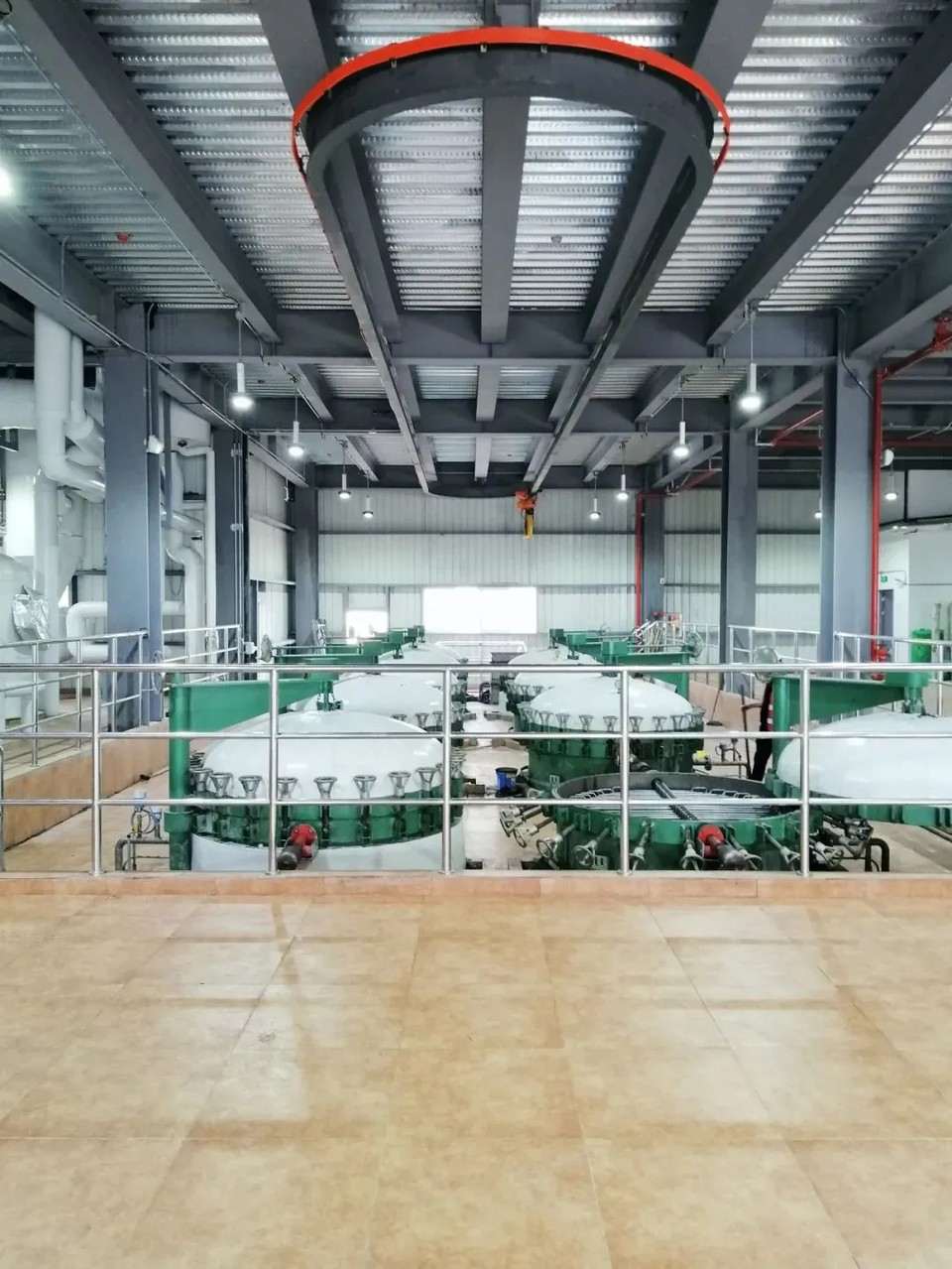
Unlocking the Potential of Oryzanol: Innovations in Rice Bran Oil Refining Technology
4/6, 2026
The refining of rice bran oil has long been recognized as one of the most technically challenging processes in the edible oil industry. High free fatty acid (FFA) content, elevated wax levels, complex impurities, and the need to preserve heat-sensitive bioactive compounds such as oryzanol demand a level of precision that conventional refining lines often cannot deliver. Recent advancements in edible oil refinery machinery—driven by real-world engineering practice—are now making it possible to overcome these challenges. This article explores the key innovations transforming rice bran oil refining lines, demonstrating how modern technology can unlock the full nutritional and economic potential of this valuable oil. The Technical Challenges of Rice Bran Oil Refining Rice bran oil differs significantly from other vegetable oils. Its unique composition introduces a set of interconnected refining challenges. High free fatty acid content, often ranging from 5% to 20% or higher, requires intensive neutralization that can lead to significant oil losses and high processing costs. The oil also contains high levels of wax, which can cause cloudiness and must be effectively removed to achieve clarity and consumer acceptance. Additionally, rice bran oil possesses a strong color and odor, necessitating robust decolorization and deodorization without stripping away beneficial components. Among the most valuable components are phytosterols, tocopherols, and oryzanol—bioactive compounds that are highly heat-sensitive and can be easily reduced or removed during conventional refining. The refining process itself involves multiple steps, including degumming, neutralization, bleaching, dewaxing, and deodorization, each requiring precise control to balance purity with nutrient retention. Compounding these technical challenges are environmental and economic constraints, including waste management of soapstock and spent bleaching earth, as well as high energy consumption, which directly impact profitability. Addressing these challenges requires not just individual equipment upgrades, but a systematically optimized refining line designed around the unique properties of rice bran oil. Key Innovations in Edible Oil Refinery Machinery for Rice Bran Oil The following technologies represent the core of modern rice bran oil refining lines. Together, they illustrate how targeted innovation translates into measurable improvements in quality, efficiency, and sustainability. Enzymatic Deep Degumming TechnologyTraditional degumming often leaves residual phosphorus that interferes with downstream processes. Enzymatic deep degumming offers superior efficiency, reducing phosphorus content to as low as 25 parts per million, thereby improving oil stability and preparing the oil for physical refining with minimal nutrient loss. Maximizing Oryzanol RetentionOryzanol—a key functional component of rice bran oil—is highly sensitive to alkali and high temperatures. To preserve it, physical refining using distillation deacidification is employed instead of chemical neutralization, avoiding saponification losses. Dual-tower, dual-temperature segmented deodorization technology applies lower temperatures, typically at or below 240°C, in critical stages, significantly reducing thermal degradation of oryzanol. This approach has been demonstrated to achieve oryzanol retention above 23,000 parts per million, ensuring the final oil retains its full nutritional and functional value. Cryogenic Vacuum and Energy-Saving DeodorizationDeodorization is one of the most energy-intensive steps in the refining process. The integration of cryogenic vacuum systems, waste heat recovery technology, and steam reuse from decolorization filter cake blowing has resulted in substantial efficiency gains. Steam consumption can be reduced by approximately two-thirds, while natural gas consumption can be lowered to as little as 3.3 cubic meters per ton of oil—representing significant improvements in both operational cost and carbon footprint. One-Step Dewaxing and DefattingTo address the high wax content of rice bran oil, a one-step dewaxing and defatting process simplifies the production line, reduces equipment footprint, and ensures excellent cold-test performance and clarity. Automated Systems for Consistency and Waste ReductionAutomatic bleaching earth addition systems, combined with waste bleaching earth loading systems, minimize operator exposure, improve dosing accuracy, and reduce solid waste handling costs. A fully automated control system ensures repeatability across batches, reduces labor costs, and allows for real-time process optimization. Quantifiable Improvements in Performance The combination of these technologies delivers measurable improvements across quality, efficiency, and sustainability. Phosphorus content can be reliably reduced to 25 parts per million or lower, while oryzanol retention is consistently maintained above 23,000 parts per million. Total refining losses are reduced by approximately 15%, contributing directly to improved profitability. Final oil quality meets stringent standards, with acid value at or below 0.1 and moisture and impurities controlled to within 3.5%. On the energy front, steam consumption is reduced by approximately two-thirds, and natural gas consumption is brought down to 3.3 cubic meters per ton of oil. Additionally, labor costs are reduced while production efficiency is increased through full automation and process integration. These outcomes demonstrate that a well-engineered, project-specific refining line can simultaneously achieve high nutritional value, superior product quality, and strong economic returns. A Pathway to Sustainable and Efficient Production As the edible oil market increasingly values functional ingredients and sustainable processing, the choice of technology partner becomes critical. A successful rice bran oil refining line is not simply a collection of standard equipment—it requires deep process understanding, tailored engineering, and proven integration capabilities. At Ocean, we specialize in delivering comprehensive edible oil refinery solutions, with particular expertise in rice bran oil. Our approach combines process-first engineering—designing around the unique chemistry of each oilseed—with proven technologies and full lifecycle support from initial design to commissioning and beyond. We believe in partnering with our clients to unlock the full potential of their operations. Whether you are looking to build a new refining line or optimize an existing one, we are ready to help you navigate the complexities of rice bran oil refining and achieve sustainable success.
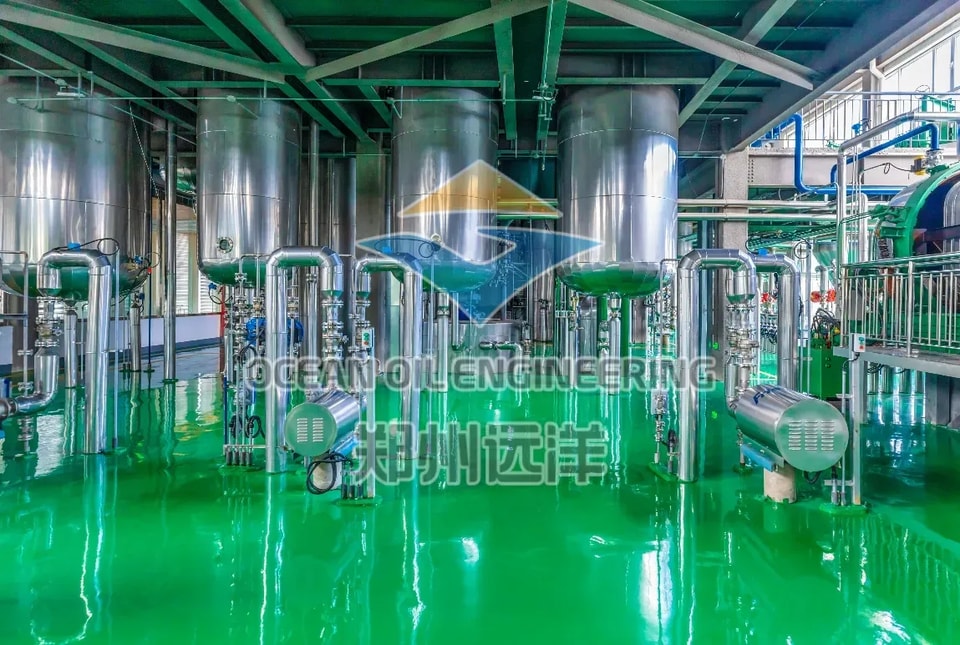
Transforming Soybean and Peanut Meal into High-Quality Plant Proteins
4/6, 2026
Upgrading soybean meal and peanut meal into premium plant proteins offers significant opportunities in the food and nutrition sectors. Following oil extraction, these protein-rich by-products can be transformed using advanced processing techniques that enhance their nutritional profile, functional properties, and market appeal. For businesses focused on maximizing the potential of their edible oil refinery machinery, understanding the upgrade processes is essential. Transforming Soybean and Peanut Meal into High-Quality Plant Proteins Upgrading soybean meal and peanut meal into premium plant proteins represents a significant value-add opportunity in the food and nutrition sectors. Following oil extraction, these protein-rich by-products can be transformed using advanced processing techniques that enhance their nutritional profile, functional properties, and market appeal. For businesses looking to maximize the potential of their edible oil refinery machinery, understanding the upgrade process from meal to high-value protein ingredients is essential. The Foundation: Preserving Protein Quality During Oil Extraction The journey to high-quality plant protein begins long before the meal reaches the protein processing line. In a well-designed soybean oil processing plant, the initial oil extraction process must be carefully controlled to preserve the functional integrity of the protein fraction. For both soybean and peanut processing, the choice of extraction method and subsequent meal treatment directly impacts the final protein quality. Low-temperature desolventizing is a critical technology in this context. When solvent extraction is employed, traditional high-temperature desolventizing can cause extensive protein denaturation, reducing solubility and functional performance. By contrast, low-temperature desolventizing maintains protein solubility indices (NSI) above 80%, ensuring that the defatted meal retains its potential for high-value applications. Similarly, in mechanical pressing operations, controlling press temperatures below 60–70°C minimizes thermal degradation of protein structures, preserving the molecular configuration necessary for later functional modification. Advanced edible oil refinery machinery designed with these considerations enables manufacturers to optimize oil extraction while ensuring that valuable protein components remain intact for downstream upgrading. From Meal to High-Value Protein: Three Core Pathways Once high-quality defatted meal is secured, several processing routes can elevate it into premium protein ingredients. The choice of pathway depends on the target application, desired protein purity, and functional requirements. Protein Concentrates: Enhancing Purity with Minimal Processing Protein concentrates typically contain 65–75% protein and are produced by removing water-soluble non-protein components. The most common methods include ethanol washing, which selectively extracts soluble carbohydrates and some anti-nutritional factors while leaving the protein matrix largely intact, as well as moist heat treatment followed by water washing, which can improve digestibility while producing a concentrate suitable for animal nutrition and certain food applications. For soybean meal, concentrate production effectively reduces oligosaccharides that can cause flatulence, making the product more suitable for human consumption. For peanut meal, gentle concentrate processing helps preserve the characteristic flavor profile while elevating protein content. Protein Isolates: Achieving High Purity for Food Applications Protein isolates, with protein content exceeding 90%, are produced through more intensive processing, typically using alkali extraction followed by isoelectric precipitation. The process involves extracting protein from defatted meal under alkaline conditions (pH 8–9), which solubilizes the protein fraction; separating the solubilized protein from insoluble fiber and other residues; precipitating the protein at its isoelectric point (pH 4.5 for soy, approximately pH 4–5 for peanut); and finally neutralizing, washing, and drying to produce a high-purity protein powder. Soy protein isolate is widely used in meat alternatives, dairy substitutes, and nutritional beverages. Peanut protein isolate, while less common commercially, offers unique flavor characteristics and functional properties suitable for specialized applications such as high-protein snacks and bakery fortification. Functional Modification: Tailoring Proteins for Specific Applications For both soybean and peanut proteins, additional modification steps can unlock enhanced functionality. Enzymatic hydrolysis uses proteases to cleave protein molecules into smaller peptides, improving solubility, digestibility, and bioactivity. Hydrolyzed proteins are valued in sports nutrition, medical foods, and specialized dietary products. Fermentation employs microorganisms to modify protein structure, reduce anti-nutritional factors, and develop desirable flavors, with fermented plant proteins increasingly used in plant-based meat and dairy alternatives. Physical modification through extrusion or high-pressure processing can alter protein textural properties, enabling the creation of fibrous structures that mimic animal muscle tissue. Technical Considerations: Soybean vs. Peanut Meal While the general processing principles are similar, soybean meal and peanut meal differ significantly in composition and behavior, requiring tailored approaches. Soybean meal typically contains 44–50% protein, with the major protein types being globulins such as glycinin and β-conglycinin. It contains anti-nutritional factors including trypsin inhibitors, lectins, and oligosaccharides, which require careful control of toasting during desolventizing to deactivate without excessive protein denaturation. Soy protein exhibits moderate heat sensitivity and a flavor profile ranging from neutral to beany. Peanut meal generally offers slightly higher protein content, ranging from 45–55%, with globulins such as arachin and conarachin as the primary protein components. It contains no significant anti-nutritional factors, which simplifies processing considerations. However, peanut protein is highly sensitive to heat and prone to over-denaturation, requiring lower processing temperatures to prevent Maillard reactions and preserve both protein solubility and the desirable mild, nutty flavor profile. Understanding these differences is essential when designing protein upgrading lines. For peanut meal in particular, maintaining lower temperatures throughout processing is critical to achieving high-quality protein products. Emerging Innovations and Collaborative Development The field of plant protein upgrading continues to evolve, with ongoing research opening new possibilities. Pilot refining units enable businesses to test processing parameters and optimize formulations before full-scale implementation. Collaborations with research institutions, such as the dedicated food protein laboratory at Henan University of Technology, facilitate the development of specialty proteins, functional peptides, and co-product valorization strategies that maximize resource efficiency. These innovations not only enhance the value of processing by-products but also position companies to meet growing market demand for plant-based ingredients across food, beverage, and nutritional product sectors. Choosing the Right Partner for Success The successful implementation of protein upgrading capabilities requires a partner with both oilseed processing expertise and protein technology experience. From designing low-temperature desolventizing systems to integrating protein isolation lines, the right collaborator ensures that each stage of the process—from seed to high-value protein—operates in harmony. At Ocean, we combine deep expertise in edible oil refinery machinery with advanced capabilities in plant protein processing. Our solutions encompass complete soybean oil processing plants, integrated protein upgrading lines, and customized configurations for peanut and other oilseeds. We work with clients to design systems that preserve protein functionality from the outset, enabling the production of premium protein concentrates, isolates, and functional ingredients. Together, we can help you transform soybean and peanut meals into high-quality plant proteins, driving growth and profitability in the rapidly expanding plant-based market.
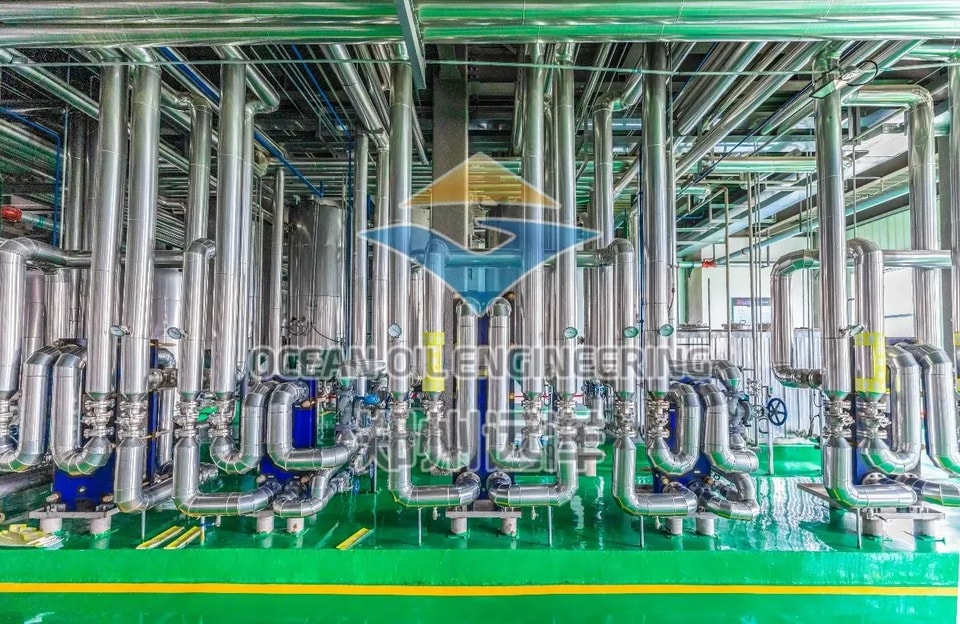
From "Experience" to "Data": Embracing Fully Automated Control Systems in Oil Processing Lines
4/6, 2026
The transition from traditional oil processing methods to fully automated control systems marks a significant milestone in the edible oil refining industry. This evolution is vital for enhancing efficiency, ensuring product quality, and adapting to the dynamic market demands. The integration of technology in the design of edible oil refinery machinery enables producers to convert crude oil into high-quality refined products with minimal manual intervention. Embracing automation not only streamlines operations but also yields precise data analytics that empower businesses to make informed decisions. Optimizing Refining Processes through Automation A fully automatic refining plant employs advanced processes such as degumming, deacidification, decolorization, deodorization, dewaxing, and fractionation. These methods are crucial in removing impurities and improving the overall quality of the final product. By automating these phases, producers can achieve consistent results while minimizing the potential for human error. Each type of crude oil presents unique characteristics and impurities, making specific refining protocols necessary. By leveraging advanced technology, companies can tailor their operations based on the properties of the oil being processed, enhancing both the yield and quality of edible oils produced. In addition, the benefits of a fully automatic refining plant extend beyond just refining processes. Automation facilitates real-time monitoring and adjustments to operational parameters, allowing for enhanced control over production conditions. This ability to adapt quickly to changes leads to greater process efficiency and reduced downtime, ultimately resulting in increased profitability for refining enterprises. The Importance of Choosing an Experienced Partner For enterprises that aspire to adopt improved technologies, choosing an experienced partner is of utmost importance. Companies must seek out manufacturers that specialize in edible oil refinery machinery with a proven track record in setting up fully automated systems. An experienced partner can provide valuable insights into the complexities of oil refining, ensuring that every aspect of the project—from initial design to final commissioning—is handled with expertise. Moreover, such partnerships enable businesses to stay ahead of market trends and implement innovations that drive growth and sustainability. Elevating Edible Oil Refining with Ocean's Expertise Collaboration with seasoned experts can lead to solutions tailored to specific needs, helping businesses navigate the nuances associated with different types of crude oil. With the right support, edible oil refiners can optimize their processes, reduce costs, and improve product quality, all while remaining competitive in an ever-evolving industry. At Ocean, we understand the transformative power of adopting fully automated control systems in your oil processing lines. Our comprehensive experience in designing and implementing edible oil refinery plants allows us to offer tailored solutions ranging from various capacities. We are committed to driving innovation and helping our clients achieve unparalleled success in their refining endeavors. Together, let us embrace the future of edible oil refining through automation and data-driven decision-making.
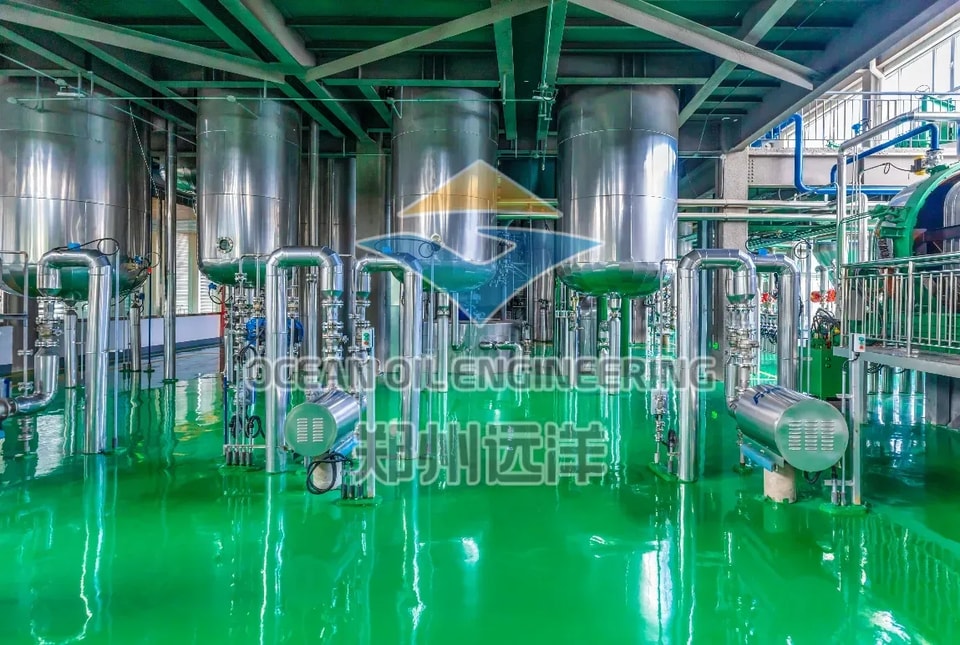
Transforming High-Acid Rice Bran and Corn Oil: The Impact of Specialized Alkali Refining
4/2, 2026
In the edible oil industry, the refinement of high-acid rice bran and corn oil is crucial for producing high-quality oils. Unlike conventional vegetable oils, these crude oils typically contain free fatty acid (FFA) levels ranging from 10 to 30 mg KOH/g—or even higher in some cases—posing unique challenges for processors. Specialized alkali refining plays a significant role in this process, enabling efficient neutralization while minimizing neutral oil loss. As businesses look for reliable and effective methods to enhance oil quality, understanding the importance of advanced refining techniques tailored to these challenging feedstocks becomes essential. The Importance of Edible Oil Refining The edible oil refinery plant is indispensable for ensuring that the final product adheres to stringent quality standards. Utilizing advanced refining processes such as degumming, deacidification, decolorization, deodorization, dewaxing, and fractionation, these plants successfully eliminate impurities while enhancing the oil’s properties. For high-acid rice bran oil and corn oil, the neutralization stage requires particular attention—excessive caustic consumption can lead to neutral oil saponification and increased refining losses, while insufficient treatment results in residual acidity that fails to meet quality specifications. Quality control is a priority, and investing in top-notch edible oil refinery machinery guarantees optimal results. Our automated continuous oil refining system, available in capacities of 5 to 1,500 TPD for complete turnkey solutions and 0 to 50 TPD for compact skid-mounted options, caters to various business requirements. These systems feature both long-mix and short-mix reaction sections, allowing for precise control over the neutralization process and achieving typical refining loss ratios of 1.2 to 1.5 times the FFA content—significantly lower than conventional systems. Continuous Alkali Refining: A Game Changer Employing reliable continuous alkali refining equipment is key to achieving exceptional neutralization and refining performance, particularly for high-acid vegetable oils such as rice bran oil and corn oil. This system features both long-mix and short-mix reaction sections, which are instrumental in facilitating thorough deacidification while minimizing neutral oil entrainment in the soap stock. With precise process control, businesses can maintain the quality of their oils while effectively removing undesirable components. The efficiency of this equipment is vital for optimizing operational costs and ensuring minimal downtime, making it an attractive option for those looking to enhance their refining processes. For rice bran oil, careful temperature management during alkali refining helps preserve valuable components such as oryzanol; for corn oil, the refined oil’s color stability benefits from optimized neutralization parameters that reduce pigment precursors. By focusing on automation and precision, edible oil refinery plant manufacturers are paving the way for more sustainable and profitable operations in the industry. Embracing Quality with Ocean As we conclude, it's crucial to recognize that the future of edible oil refining lies in specialized processes like alkali refining, particularly for challenging oils such as high-acid rice bran and corn oil. By embracing these innovative technologies and investing in high-quality edible oil refinery machinery, businesses can significantly enhance their production capabilities while minimizing refining losses and maintaining consistent output quality. For enterprises that wish to adopt these innovative technologies, it is of vital importance to choose a partner with rich experience. At Ocean, we pride ourselves on our extensive experience in setting up edible oil refinery plants tailored to meet diverse needs, including specialized solutions for high-acid oils. Our commitment to quality and innovation positions us as a leader in the industry, ready to help you achieve your refining goals efficiently and effectively.
Unveiling the Complete Process of an International Large-Scale Oil Refinery: From Conceptual Design to Operational Launch
4/2, 2026
Developing a large-scale oil refinery abroad is a complex process that requires meticulous planning and execution. The journey from blueprint to commissioning involves several stages, each critical to creating an efficient and effective edible oil refinery. This article explores the key steps involved in setting up a turnkey project for an edible oil refinery, highlighting the importance of advanced machinery and expert guidance. Designing the Blueprints: Planning and Innovation Initiating a large-scale edible oil refinery project begins with thorough research and design. Attention to detail during the planning phase ensures that all potential challenges are addressed early on. Engineers and designers assess various factors, including local regulations, environmental considerations, and the specific properties of the crude oils to be processed. The choice of edible oil refinery machinery plays a crucial role in this phase. Advanced technologies, such as fully automatic continuous refining systems, enhance efficiency and output quality. These systems can accommodate capacities ranging from 5 to 1,500 tons per day (TPD), allowing for scalable solutions tailored to the needs of the operation. The engineering design must prioritize not just effectiveness but also ease of operation and maintenance. Construction and Installation: Turning Plans into Reality Once the blueprints are finalized, the construction phase begins. This involves sourcing high-quality materials, followed by the careful installation of the edible oil refinery machinery outlined in the designs. Effective communication between stakeholders, including engineers, contractors, and suppliers, is essential to ensure that timelines are met and standards are upheld. During the installation phase, rigorous testing and adjustments occur to confirm that all systems function correctly. Each step—the degumming, deacidification, decolorization, deodorization, dewaxing, and fractionation processes—must be carefully calibrated to optimize the refining operations. Successful implementation of these processes guarantees that impurities are removed and the oil's properties are enhanced. Commissioning: Ready for Operation The commissioning stage marks the transition from construction to operational readiness. Comprehensive testing of all systems is conducted to ensure they meet the established specifications. This includes run tests to verify the functionality of automation and the seamless flow of operations throughout the plant. When seeking to adopt improved technologies, enterprises must prioritize partnerships with experienced providers. Collaborating with a reputable company simplifies the complexities of establishing a turnkey project for edible oil refinery, ensuring that every aspect, from machinery selection to final checks, meets industry standards and client expectations. At Ocean, we pride ourselves on our extensive engineering expertise in designing and setting up edible oil refinery plants tailored to various types of oils. We understand the intricacies involved in establishing an efficient production line and are committed to providing comprehensive solutions that drive success. Partner with us to navigate your next edible oil refinery project and ensure a seamless journey from blueprint to commissioning.
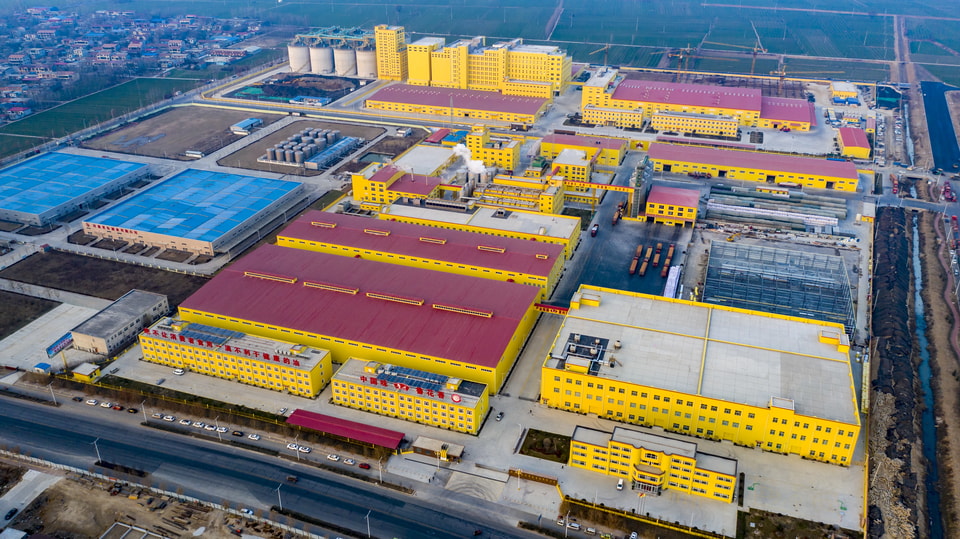
The Future of Oil Refineries: Intelligent, Emission-Free, and Fully Traceable
4/2, 2026
The landscape of oil production is evolving rapidly. As the demand for sustainable practices becomes increasingly urgent, next-generation oil manufacturing plants are rising to meet these challenges. By incorporating intelligent systems, zero-emission technologies, and fully traceable processes, modern oilseed processing plants are redefining what it means to be efficient, responsible, and profitable. Revolutionizing Oil Manufacturing Technology Modern oil production lines must adapt to a world that prioritizes environmental responsibility. Innovative technology in oil manufacturing plants harnesses data analytics and automation to optimize every stage of the production process. From seed preparation to final oil extraction, each step can be monitored and adjusted in real time to maximize efficiency and minimize waste. The integration of advanced monitoring systems ensures that all operations are not only efficient but also environmentally friendly. By employing renewable energy sources and implementing advanced waste management practices, next-generation refineries significantly reduce their carbon footprint. Ocean’s technology reflects this shift, providing customized solutions that incorporate the latest advancements in sustainable oil processing. Comprehensive Solutions for Oil Production Lines To effectively meet the demands of modern markets, the oil production line must encompass a range of processes that ensure quality and compliance with international standards. This approach includes oilseed pretreatment, pressing, refining, and recycling, all designed with a focus on minimizing labor intensity and maximizing automation. Ocean’s oilseed pretreatment and pressing production line exemplifies such comprehensive solutions. Utilizing proven technology, these systems are meticulously designed for safety and efficiency, ensuring that every phase of the process adheres to global food hygiene and quality supervision standards. Features such as advanced cleaning, stone removal, and roasting systems enhance the raw materials’ quality, making them suitable for further refining. Moreover, our commitment to energy conservation and emission reduction aligns perfectly with growing regulatory demands and market expectations. These innovations not only serve operational needs but also significantly boost profitability for enterprises willing to invest in sustainable practices. Embracing a Sustainable Future As the oil industry continues to navigate through challenges related to sustainability and transparency, transitioning to intelligent, zero-emission production lines will be crucial. Companies looking to thrive in this new era must embrace technological advancements that promote environmentally friendly practices and ensure full traceability throughout the production process. Collaborating with trustworthy enterprises is also an important matter. At Ocean, we are dedicated to providing cutting-edge solutions that streamline oil manufacturing while prioritizing sustainability. Our expertise in designing tailored production lines enables us to partner with businesses in creating efficient and responsible production processes. Together, we can lead the charge toward a more sustainable future in oil production.
Deodorizer Distillate Processing for Palm Fatty Acid Distillate (PFAD): Best Options
2/7, 2026
In the highly competitive and margin-sensitive global palm oil industry, operational excellence is defined by the ability to maximize value from every ton of raw material processed. While the primary focus has traditionally been on the yields of crude and refined oils, a paradigm shift is occurring. Savvy refiners are now looking towards the strategic valorization of by-products as a key driver of profitability and sustainability. At the forefront of this opportunity is Palm Fatty Acid Distillate (PFAD), a significant stream derived from the physical refining and deodorization of palm oil. Far from being a low-value residue, PFAD is a concentrated source of high-value nutraceuticals. For forward-thinking producers, implementing efficient and sophisticated palm fatty acid distillate PFAD processing is no longer an option but a strategic imperative. This approach unlocks new revenue streams, enhances environmental credentials by minimizing waste, and provides a critical competitive edge in a fluctuating market. This article provides a comprehensive exploration of the best technological options for transforming PFAD, with a dedicated focus on extracting precious components like tocopherols, carotene, and phytosterols through advanced, integrated production lines that guarantee maximum return on investment. Why PFAD is a Treasure Trove for Nutraceutical Extraction A deep understanding of PFAD's composition is essential to appreciating its economic potential. While Palm Fatty Acid Distillate typically contains 70-85% free fatty acids—which themselves can be utilized—its true and often underestimated value is embedded in its minor constituents. These bioactive compounds, though present in smaller percentages, command premium prices in the global market for health supplements, functional foods, and cosmetics. They include natural Vitamin E (in the forms of tocopherols and tocotrienols, potent natural antioxidants), carotenoids (which are precursors to Vitamin A and give crude palm oil its distinctive red color), and phytosterols (renowned for their cholesterol-lowering properties). The fundamental challenge, however, lies in the fact that these valuable compounds are inherently heat-sensitive and can be easily degraded or destroyed by conventional or inefficient processing methods. Therefore, the ultimate goal of modern vegetable oil tocopherol extraction from PFAD is not merely a basic separation, but the careful preservation of biological potency and the achievement of high purity levels. A sophisticated processing plant must be meticulously designed from the ground up to handle this specific feedstock's characteristics, ensuring that the valuable compounds are recovered at their highest possible quality and yield, thereby effectively turning a by-product stream into a primary and reliable profit center. The Multi-Stage PFAD Processing Workflow for Maximum Yield An effective and profitable PFAD valorization plant is not merely a collection of single machines but a seamlessly integrated and automated system. Best practices, honed over years of project experience, involve a precise, multi-stage approach that prioritizes precision, energy efficiency, and maximum recovery. The initial stage involves strategic pretreatment of the feedstock. This step is crucial for removing impurities, moisture, and gums, which stabilizes the PFAD and protects sensitive downstream equipment from potential damage or fouling. Proper pretreatment prepares the feedstock for optimal separation efficiency, directly contributing to higher overall recovery rates and reducing operational costs. The technological heart of the entire operation is the precision concentration achieved via molecular distillation. This advanced technology operates under a high vacuum and controlled, low temperatures, which is absolutely essential for isolating heat-sensitive nutrients without thermal degradation. This sophisticated technique is capable of concentrating tocopherols from an initial 2-3% in raw PFAD to concentrations exceeding 10%, with extensive industrial trials consistently demonstrating recovery yields that surpass 90%. This stage is undeniably critical for ensuring the economic viability and long-term success of the entire palm fatty acid distillate PFAD processing operation. Following concentration, the process moves to high-grade purification. Here, further refined techniques, such as specialized solvent crystallization and targeted adsorption, are employed to achieve the stringent purity levels required for pharmaceutical and food-grade applications. This final polishing step is what ensures that the final products—whether it's tocopherols, carotene, or phytosterols—meet the exacting specifications of international buyers, allowing access to the most lucrative markets. The Compelling Case for Investing in a Turnkey Processing Plant For companies seriously aiming to capitalize on the latent value within their PFAD stream, investing in a piecemeal approach—sourcing disconnected equipment from different suppliers—carries significant risks. These risks include integration failures, subpar output, inconsistent quality, and higher long-term maintenance costs. The most reliable, efficient, and profitable path is to partner with an experienced provider of fully integrated turnkey solutions. A comprehensive plant, engineered from the outset as a single, cohesive system, guarantees that all components—from the core molecular distillation units and reactors to the automation controls and utility systems—work in perfect harmony. This integrated approach, championed by established providers like Ocean, ensures unparalleled process stability, consistent high product quality, and significantly reduced operational overhead. It offers a single point of accountability, covering everything from initial process design and detailed engineering to manufacturing, installation, commissioning, and lifelong technical support. This holistic partnership model dramatically accelerates the time to a positive return on investment (ROI) and minimizes project execution risks, providing peace of mind and long-term operational certainty. Positioning Your Operation for a High-Value and Sustainable Future The decision to implement a state-of-the-art deodorizer distillate processing system is a strategic investment that future-proofs a palm oil refining business. In an era increasingly focused on circular economy principles, adopting best-in-class technologies for vegetable oil tocopherol extraction and sterol recovery allows companies to dramatically diversify their product portfolio, mitigate market risks associated with commodity oils, and improve their environmental footprint by achieving near-total utilization of their raw materials. The technical complexity of this endeavor necessitates a partnership with a deeply experienced engineering firm that possesses proven, hands-on expertise in designing, delivering, and commissioning robust, high-yield production lines. Embracing these advanced palm fatty acid distillate PFAD processing options is no longer just an alternative but a necessity for refiners who aim to lead the market in efficiency, sustainability, and profitability. This initiative aims to build a future-oriented, diversified product structure and sustainable operational capabilities, providing the company with long-term and solid competitive advantages.
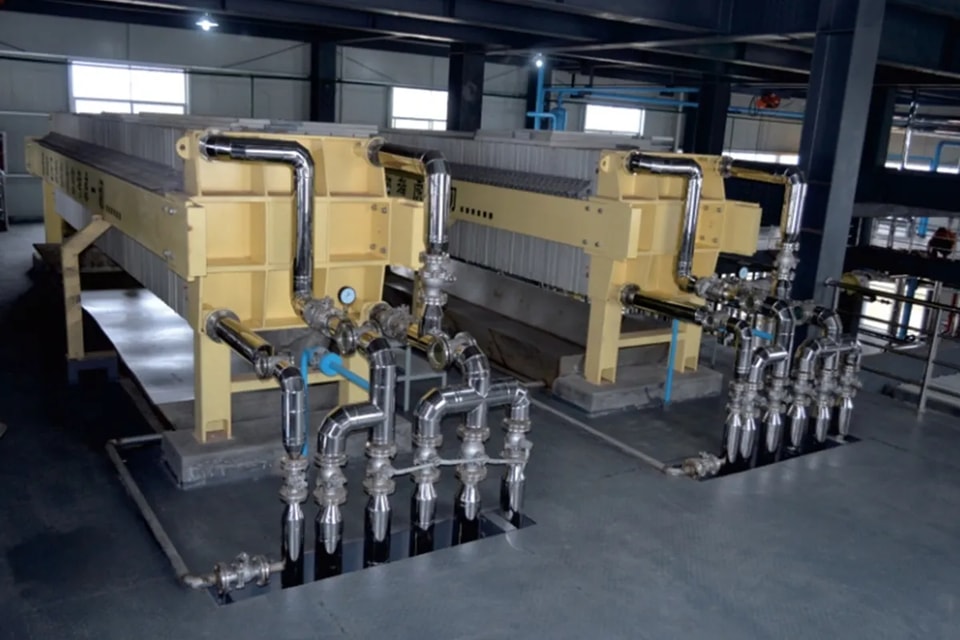
5 Signs You Need to Upgrade Your Aging Soy Deodorizer Distillate Processing System
2/6, 2026
In the competitive and margin-sensitive landscape of edible oil refining, maximizing the value of every by-product is no longer a luxury but a strategic necessity for sustained profitability. Soy Deodorizer Distillate (SDD), once considered a low-value waste stream, is now recognized as a treasure trove of high-value nutraceuticals, including tocopherols (Vitamin E), carotene, and phytosterols. However, an aging, inefficient, or technologically obsolete processing system can act as a significant bottleneck, severely limiting your ability to capitalize on this potential and eroding your competitive edge. Navigating these complex challenges requires a reliable partner with deep expertise. If your current setup is struggling to meet modern demands, it may be time to consider a strategic upgrade and explore the advanced solutions offered by Ocean. Recognizing the key signs of an underperforming system is the crucial first step toward unlocking greater operational efficiency, enhancing product quality, and discovering new, profitable revenue streams that lie within your existing operations. 1. Declining Tocopherol Recovery Rates and Compromised Purity The most direct and financially significant indicator of an outdated soy deodorizer distillate processing line is a measurable decline in the yield and concentration of tocopherols. Legacy technologies, often reliant on less precise separation methods, struggle with the delicate nature of vegetable oil tocopherol extraction. This typically results in substantial product loss in residual streams and an inability to achieve the high purity levels demanded by premium markets. If your recovery yields have fallen consistently below 90%, or if you cannot efficiently concentrate tocopherols from a typical starting point of 2% in raw SDD to over 10%, your process is unequivocally leaving substantial revenue on the table. Modern turnkey solutions are engineered to address this exact challenge. They utilize advanced, multi-stage molecular distillation that operates under meticulously controlled low temperatures and short residence times, specifically designed to preserve these heat-sensitive compounds. Modern processes ensure high recovery rates while ensuring product purity meets the stringent requirements of the high-end market through precise temperature and residence time control. 2. Escalating Operational Costs and Unsustainable Energy Demands Inefficiency in an industrial process invariably translates to a direct and negative impact on your bottom line. An aging processing plant often becomes a significant source of escalating operational expenses. This manifests as excessively high solvent consumption, inefficient steam usage, and overall elevated energy demands. Furthermore, such systems frequently require more frequent maintenance, are prone to unplanned downtime, and depend heavily on constant manual intervention, all of which drive up labor and maintenance costs. Upgrading to a fully integrated, modern production line designed with state-of-the-art energy recovery systems and optimized for low solvent consumption can dramatically reverse this trend. By implementing sophisticated technologies such as comprehensive waste heat recovery, our solution transforms the entire soy deodorizer distillate processing operation from a persistent cost center into a model of efficiency and sustainability, directly boosting profitability. 3. Inability to Adapt to Variable Feedstock Composition Effectively The composition of SDD is not always consistent; it can vary significantly based on the origin of the crude soybean oil and the specific conditions of the refining process itself. A rigid, outdated processing system often lacks the flexibility to adapt to these natural fluctuations in feedstock quality. This inflexibility leads to operational instability, inconsistent output quality, and an inability to guarantee batch-to-batch consistency. In contrast, a modern, customizable plant is specifically engineered from the ground up to handle a wide range of feedstock variations. This built-in adaptability ensures stable, efficient recovery and consistent, high-quality final products regardless of minor changes in the input material. Such reliability is absolutely essential for maintaining long-term supply contracts and confidently meeting the precise specifications of discerning international buyers. 4. Failure to Meet Evolving International Quality and Safety Standards The global market for purified tocopherols, phytosterols, and carotene is characterized by increasingly stringent quality and safety benchmarks. If your current process inadvertently introduces impurities, fails to fully remove contaminants, or cannot achieve the required stability and clarity for export-grade products, you are effectively locked out of the most lucrative markets. Contemporary extraction lines directly address these challenges by incorporating advanced, multi-layered purification techniques. These include precise adsorption decolorization and controlled solvent crystallization, which work in concert to ensure that the final isolates not only meet but often exceed the rigorous international standards for human consumption in supplements, functional foods, and high-end cosmetics. This capability is a prerequisite for accessing premium market segments. 5. Excessive Reliance on Manual Controls and Lack of Process Data A heavy dependence on manual operation is a definitive hallmark of an obsolete system. This approach not only inflates labor costs but also introduces significant risks associated with human error, leading to unpredictable product variability and potential safety issues. A state-of-the-art turnkey solution prioritizes intelligent automation. It is equipped with a comprehensive, fully automated control system that seamlessly manages the entire production sequence, from initial feedstock metering through the critical distillation and final purification stages. This high level of integration enables precise, real-time monitoring and control of all key parameters, optimizes production conditions continuously, and guarantees repeatable, superior results. The shift to automation significantly enhances overall plant safety, reduces operational overhead, and provides valuable data for continuous process improvement. Securing Your Competitive Advantage with a Comprehensive Solution Identifying the above operational challenges is a crucial step for any forward-looking management team. An effective response is to view system upgrades as a strategic investment that goes beyond merely replacing equipment. The core lies in deploying a comprehensive solution designed for long-term performance and return on investment. The value of a mature, modernized production line is reflected in the seamless integration of the entire process—from process design and precision manufacturing to installation, commissioning, and after-sales support. This integrated approach ensures that the new production line is prepared to meet future operational demands while achieving maximum economic returns. Therefore, the decision of choosing a technology partner is critical. Collaborating with a partner who has deep industry expertise and a track record of successful projects means not just updating equipment, but strategically building a more efficient, profitable, and resilient future in the global market.
Soy DD Processing vs. PFAD Processing: Which Raw Material Provides Higher Tocopherol Concentration?
2/6, 2026
In the competitive and technically demanding field of vegetable oil tocopherol extraction, the selection of the optimal raw material is a fundamental decision that directly impacts production efficiency, product purity, and overall economic return. Among the various feedstocks available, Soybean Deodorizer Distillate (Soy DD) and Palm Fatty Acid Distillate (PFAD) stand out as two of the most significant and widely utilized sources. For nutraceutical and functional food manufacturers aiming to maximize the yield of high-value natural Vitamin E, a deep understanding of the distinct chemical compositions and processing requirements of these distillates is crucial. This analysis provides a comparative examination of Soy DD and PFAD, evaluating their inherent potential for tocopherol concentration and demonstrating how advanced, customized processing technologies are essential for unlocking their maximum commercial value. A Comparative Analysis of Feedstock Composition Both Soy DD and PFAD are valuable by-products collected during the deodorization stage of vegetable oil refining. Despite sharing this common origin, their biochemical profiles differ considerably, influencing the entire extraction strategy. Soy DD, sourced from the refining of soybean oil, is typically characterized by a notable presence of phospholipids and a tocopherol profile rich in the gamma and delta isomers, which are renowned for their potent antioxidant properties. It also contains a significant amount of phytosterols. In contrast, PFAD, derived from palm oil, possesses an overwhelmingly high content of free fatty acids (FFA), often exceeding 70%, and a distinct tocopherol and tocotrienol (a closely related compound with Vitamin E activity) composition. This high FFA level in PFAD necessitates a more robust and carefully calibrated pretreatment phase. Understanding these compositional differences is the first critical step in designing an effective soy deodorizer distillate processing or PFAD treatment line, as the initial feedstock quality dictates the complexity of the purification journey ahead. Evaluating the Inherent Tocopherol Potential When directly addressing the question of which raw material provides a higher tocopherol concentration, the answer is not absolute but rather contextual. PFAD generally boasts a higher gross tocopherol and tocotrienol content by weight compared to Soy DD, making it an attractive option for projects targeting high-volume output of mixed Vitamin E compounds. However, this advantage is counterbalanced by the technical challenge of separating the tocopherols from the dense matrix of free fatty acids without incurring significant thermal degradation or losses. Soy DD, while sometimes starting with a lower initial tocopherol percentage, often features a less complex impurity profile, which can lead to more efficient purification and a superior recovery rate of specific, high-value tocopherol isomers. Therefore, the final achievable concentration is less a function of the raw material's starting point and more a testament to the precision and adaptability of the extraction technology employed to isolate the tocopherols from sterols, FFAs, and other minor components. The Critical Role of Advanced Processing Technology The true potential of either feedstock is only realized through the application of sophisticated, multi-stage processing technology. A state-of-the-art extraction plant is engineered to transform the raw potential of these distillates into high-purity, market-ready tocopherols. The solution provided by Ocean exemplifies this engineering prowess. Its core relies on multi-stage molecular distillation, a gentle yet highly efficient separation technique that operates under a high vacuum and precisely controlled low temperatures. This environment is crucial for preserving the integrity of heat-sensitive tocopherol molecules. The process progressively concentrates the tocopherols by systematically removing lighter and heavier fractions. For both Soy DD and PFAD, our system's design has proven its capability to consistently increase tocopherol concentration from a typical starting point of around 2% to levels exceeding 10%, with industrial-scale trials demonstrating recovery yields of over 90%. This high yield is a direct result of tailored process parameters that ensure optimal performance regardless of feedstock variations. Strategic Decision-Making for Production Line Investment Choosing between Soy DD and PFAD involves a strategic decision that extends far beyond laboratory-based concentration metrics. Manufacturers must undertake a comprehensive feasibility study that incorporates factors such as long-term and cost-effective feedstock sourcing logistics, regional market preferences for specific tocopherol isomers (e.g., alpha-tocopherol for its high Vitamin E activity versus gamma/delta for antioxidant applications), and the total capital and operational expenditure. Partnering with an experienced engineering firm that provides integrated solutions is paramount. Ocean's approach goes beyond equipment supply, encompassing thorough feedstock analysis, customized process design, and stringent quality assurance from conception to commissioning. This holistic methodology guarantees that the final production line, whether optimized for Soy DD or PFAD, delivers an exceptional return on investment through superior energy efficiency, minimized waste, and the consistent production of premium-grade tocopherols that meet the most demanding international specifications. Maximizing Return Through Technological Partnership In conclusion, the pursuit of higher tocopherol concentration is a sophisticated interplay between the innate qualities of the chosen raw material and the advanced capabilities of the processing technology. While PFAD may present a higher initial tocopherol load and Soy DD a more favorable isomer profile for certain applications, the ultimate success or failure of a business depends on whether the extraction process can handle the uniqueness of the selected raw materials with extremely high precision and efficiency. The solution, built on cutting-edge separation technology and profound knowledge of lipid chemistry, can maximize the commercial value of any raw material. The objective is to deliver a robust and adaptable vegetable oil tocopherol extraction system that not only meets current production goals but is also poised to adapt to future market trends, ensuring sustainable and profitable operations in the global nutraceutical industry.
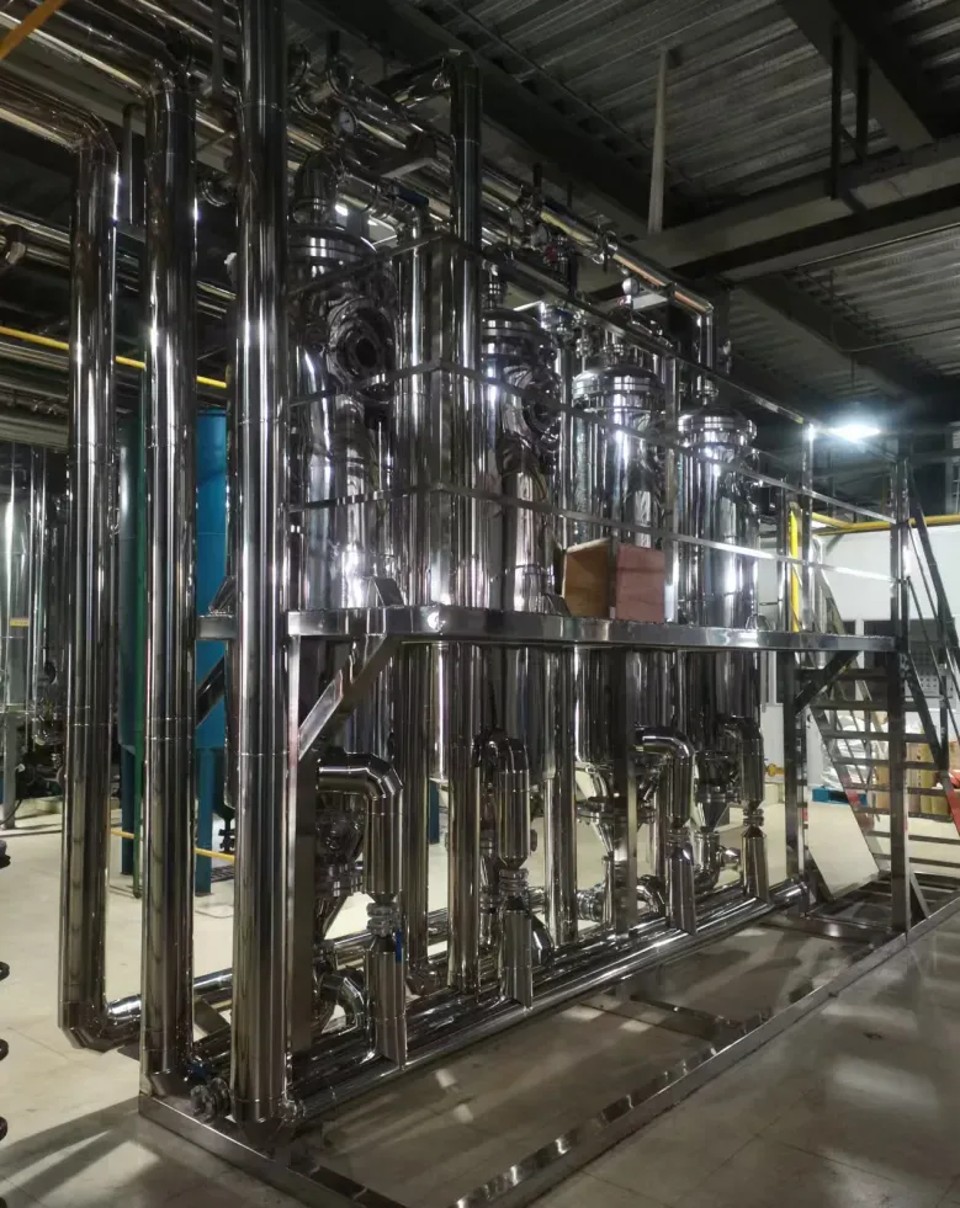
Pre-Concentration Techniques: Crystallization vs. Fractionation Before Molecular Distillation
2/6, 2026
In the competitive landscape of vegetable oil tocopherol extraction, maximizing the recovery and purity of high-value nutrients like Vitamin E is not just an objective—it's a determinant of commercial success. While molecular distillation for Vitamin E stands as the benchmark for final purification, its efficacy is profoundly influenced by the preparatory steps that come before it. The raw material, deodorizer distillate (DD), is a complex matrix of free fatty acids, triglycerides, and the coveted minor components. Directly processing this mixture is inefficient and costly. This is where pre-concentration techniques, specifically crystallization and fractionation, emerge as critical, strategic operations. They serve as the essential first act, enriching the feedstock to ensure the final distillation stage operates at peak performance. The Indispensable Role of Pre-Concentration in Maximizing Efficiency The rationale for pre-concentration is rooted in process economics and product quality. Deodorizer distillate typically contains only 2-5% tocopherols, with the remainder comprising substances that can hinder the molecular distillation process. Subjecting this dilute mixture to high-vacuum, high-temperature distillation without prior enrichment would lead to excessive energy consumption, reduced throughput, and potential thermal degradation of sensitive compounds. The primary goal of pre-concentration is twofold: firstly, to significantly increase the concentration of tocopherols, carotene, and phytosterols; and secondly, to remove a substantial portion of free fatty acids and other impurities. This preparatory enrichment not only protects the sensitive molecular distillation equipment but also elevates its separation efficiency, leading to higher recovery rates and a superior final product. It transforms the distillation unit from a primary workhorse into a precision finisher. Crystallization: Achieving High Purity Through Selective Solubility Crystallization is a separation method that exploits the precise differences in solubility among the various components in the DD. By carefully controlling the cooling rate and temperature, higher-melting-point compounds, primarily phytosterols and waxes, are induced to form solid crystals. These crystals are then separated from the liquid mother liquor—which is now enriched with tocopherols and FFAs—using filtration or centrifugation. The standout advantage of this technique is its exceptional ability to isolate and purify specific compounds. For processors whose business model includes marketing high-purity phytosterols as a valuable co-product, crystallization is an indispensable step. Our engineered solutions often incorporate controlled solvent crystallization, which enhances the separation sharpness and yield, ensuring that maximum value is extracted from the raw distillate before it even reaches the distillation phase. Fractionation: Robust and Efficient Broad-Spectrum Enrichment Fractionation, particularly dry fractionation, operates on a similar principle of differential melting points but is often employed for a broader separation. The feedstock is cooled gradually, causing fractions with higher saturation levels to solidify. The liquid portion, termed the "olein," is then separated from the solid "stearin." This process is highly effective for bulk removal of saturated fats and other high-melting-point materials, resulting in a significant enrichment of the tocopherol concentration in the olein fraction. Valued for its operational robustness, lower solvent dependency, and efficiency, fractionation is an excellent choice for processors seeking a straightforward and reliable method to boost feedstock quality. Our technical team expertly configures this process to handle variations in DD composition, ensuring a consistent and optimized feed for the downstream molecular distillation unit. Making the Strategic Choice: Aligning Technique with Business Objectives The decision between crystallization and fractionation is not a matter of which is universally better, but rather which is more aligned with the processor's specific feedstock characteristics and end-product goals. A detailed analysis of the distillate is the first step. If the strategic aim is to build a diverse product portfolio that includes premium-grade phytosterols, then crystallization is the necessary path. Conversely, if the primary focus is on achieving the highest possible tocopherol yield with operational simplicity and lower capital investment, fractionation presents a compelling option. In advanced, integrated plants designed by Ocean, a sequential combination of both techniques is often implemented to achieve unparalleled overall recovery and purity of all valuable constituents, turning a waste stream into a multi-revenue source. Engineering Integrated Solutions for Unmatched Performance In conclusion, the journey to high-purity tocopherols is a meticulously orchestrated sequence of unit operations, where pre-concentration is the cornerstone of efficiency. Viewing crystallization and fractionation not as isolated steps but as integral components of a unified system is key to unlocking their full potential. The secret to success lies in adopting a systematic engineering approach and optimizing all processes as a whole. We provide more than just equipment; we deliver customized, turnkey production lines where each stage, from pre-treatment to final molecular distillation for Vitamin E, is seamlessly integrated and optimized. Our proprietary processes, including advanced pre-concentration methods, have been proven to increase tocopherol concentration from 2% to over 10% with recovery yields exceeding 90%. Our two decades of dedicated R&D and field experience are focused on one outcome: delivering process solutions that are not only rigorous and predictable but also engineered to maximize the economic return for clients in the highly demanding global nutraceutical sector.
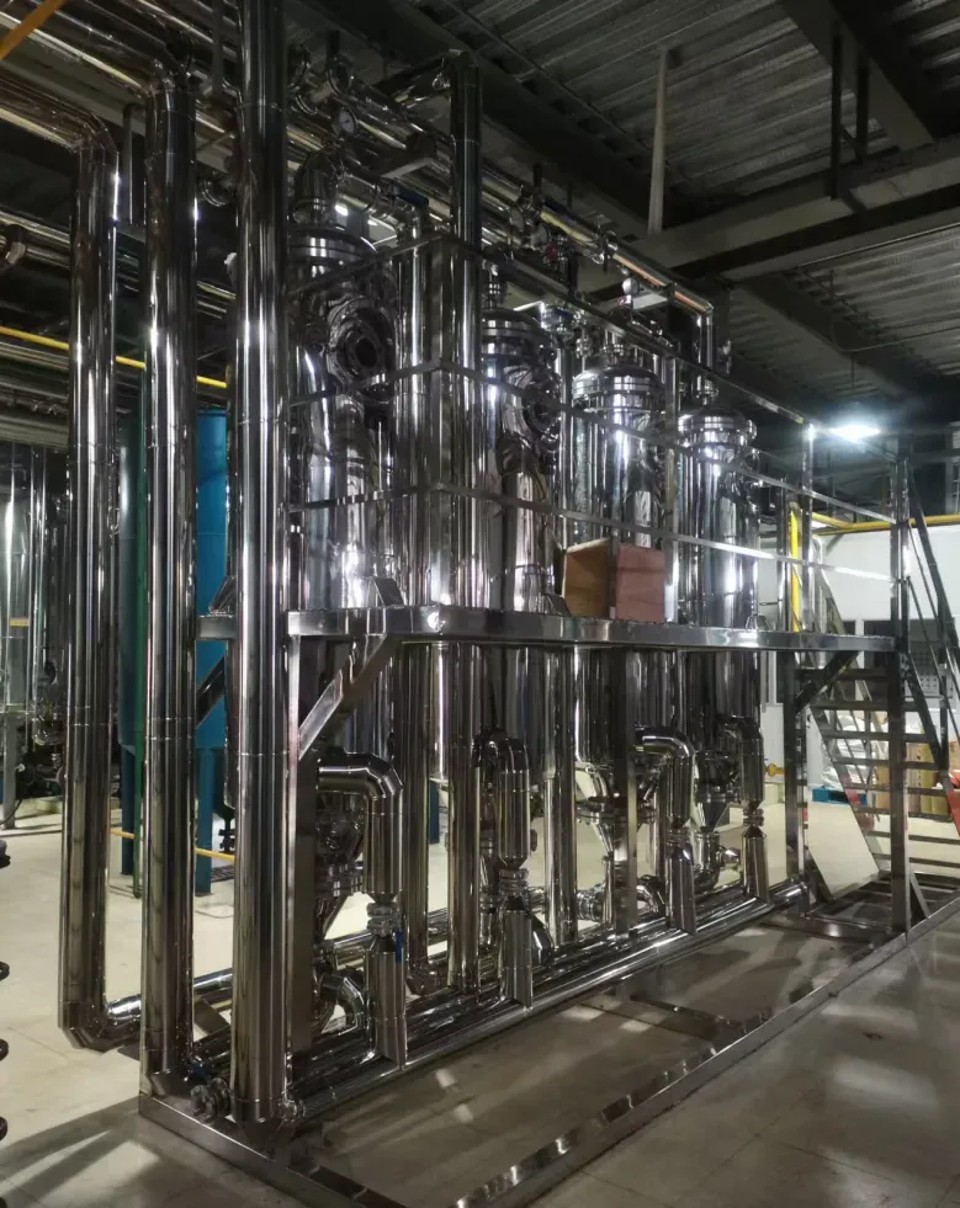
How to Maintain and Manage Molecular Distillation for Vitamin E Systems for Peak Efficiency
2/5, 2026
In the specialized field of vegetable oil tocopherol extraction, achieving and maintaining peak operational efficiency is not merely a goal—it's a necessity for economic viability and product competitiveness. The heart of this high-value process often lies in the molecular distillation system, a sophisticated technology designed to separate heat-sensitive compounds like tocopherols under high vacuum and controlled temperatures. Proper maintenance and management of this critical unit are paramount. It directly influences product purity, recovery rates, operational costs, and equipment longevity. For plant managers, ensuring this system runs at peak efficiency translates to maximizing return on investment and maintaining a strong position in the nutraceutical and functional food ingredients market. This article outlines a comprehensive approach to managing your molecular distillation for Vitamin E systems, drawing on industry best practices to ensure consistent, high-performance output. Establishing a Proactive Maintenance Regime for System Longevity A reactive approach to maintenance can lead to costly unplanned downtime and inconsistent product quality. Transitioning to a proactive, scheduled regime is the first step toward achieving peak efficiency. This involves several key practices: · Regular Inspection and Cleaning of Critical Components: The evaporator surfaces and internal components are prone to fouling from residual polymers and high-molecular-weight impurities. Establishing a strict cleaning schedule based on batch cycles or operational hours prevents buildup that compromises heat transfer efficiency and vacuum levels. For the vegetable oil tocopherol extraction process, using appropriate food-grade solvents ensures no cross-contamination. · Vacuum System Integrity Checks: The efficiency of molecular distillation for Vitamin E is critically dependent on maintaining a deep vacuum. Regularly inspecting vacuum pumps, seals, valves, and the entire system for leaks is essential. A decline in vacuum level not only reduces separation efficiency but also exposes heat-sensitive tocopherols to higher temperatures, potentially degrading their quality. Implementing a routine pressure decay test can help identify leaks before they impact production. · Calibration of Sensors and Controls: Accurate temperature and pressure readings are the eyes and ears of the distillation process. Thermocouples, pressure transducers, and flow meters should be calibrated at regular intervals to ensure the control system is making decisions based on precise data. This is crucial for maintaining the strict thermal parameters required to preserve the biological activity of vitamin E. By integrating these tasks into a formalized preventive maintenance schedule, operators can significantly reduce the risk of unexpected failures and maintain a consistent baseline of performance. Optimizing Operational Parameters for Consistent Yield and Purity Beyond mechanical upkeep, the intelligent management of operational parameters is what separates a well-run plant from an exceptional one. Peak efficiency is achieved when the system is tuned for the specific feedstock and desired output. · Feedstock Pre-treatment Consistency: The quality of the deodorizer distillate (DD) feedstock entering the system is a major variable. Inconsistent pre-treatment—such as variations in free fatty acid removal or moisture content—can drastically affect the distillation behavior. Implementing rigorous quality control checks on the feedstock ensures stable operation of the molecular distillation for Vitamin E unit, allowing for more predictable and optimized parameter settings. · Precise Control of Temperature and Feed Rate: There is a delicate balance between evaporation temperature, feed rate, and vacuum. A feed rate that is too high can overwhelm the condenser surfaces, leading to carry-over and reduced purity. Conversely, a rate that is too low diminishes throughput and economic efficiency. Optimizing these parameters for each specific batch of tocopherol concentrate ensures maximum yield without sacrificing the high purity standards required for export-grade products. Our solutions are engineered with advanced control systems to fine-tune these variables seamlessly. Ensuring Long-Term Reliability Through Training and System Design Ultimately, sustainable peak efficiency is rooted in both human expertise and robust engineering. A well-maintained system is only as good as the operators who manage it. · Comprehensive Operator Training: Ensuring that your team thoroughly understands the principles of molecular distillation and the specifics of your equipment is invaluable. Trained operators can spot subtle signs of inefficiency, perform basic troubleshooting, and make informed adjustments, thereby acting as the first line of defense against operational drift. · The Advantage of an Integrated Solution: Managing a standalone distillation unit presents different challenges compared to operating a unit that is part of a seamlessly integrated plant. It is crucial to choose an integrated solution that seamlessly connects upstream and downstream processes. This design allows the molecular distillation unit to optimally match the pretreatment and downstream purification steps, reducing the load on individual machines and simplifying process control at the system level, thereby laying the foundation for higher overall stability and efficiency. In addition, services that include comprehensive training and long-term technical support are key to ensuring that the operational team can maintain stable system operation over the long term. Securing a Competitive Edge Through Strategic Management Maintaining peak efficiency in molecular distillation for Vitamin E is a long-term task that requires continuous optimization and meticulous management. It requires a dual focus: a disciplined, proactive approach to physical maintenance and a deep, analytical understanding of the process dynamics. By implementing a rigorous maintenance schedule, meticulously optimizing operational parameters, and investing in operator competency, producers can significantly enhance the productivity and profitability of their vegetable oil tocopherol extraction operations. A well-managed system can not only continue to produce high-purity vitamin E, but also build a strong competitive barrier for companies in the global market through lower operating costs, better product quality and higher operational reliability.
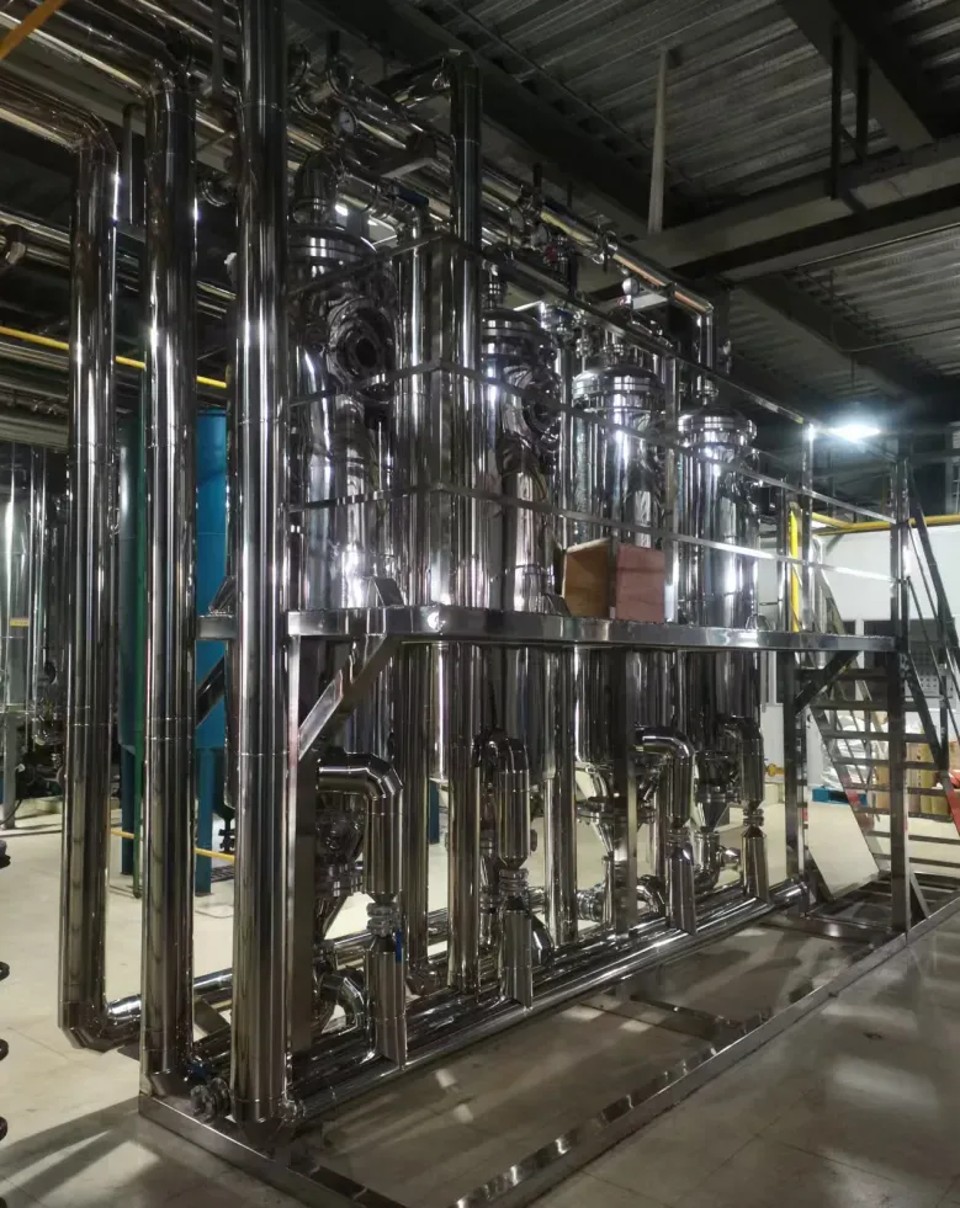
Tocopherol Extraction Explained: Key Concepts
2/5, 2026
Natural tocopherols, the potent forms of Vitamin E, are highly valued in the nutraceutical, food, and cosmetic industries for their antioxidant properties. These valuable compounds are not typically extracted directly from crude oils but are concentrated from a byproduct of the edible oil refining process known as deodorizer distillate. The process of isolating high-purity tocopherols is a sophisticated one, hinging on a clear understanding of key concepts like free fatty acid management, sterol separation, and advanced molecular distillation. For companies looking to capitalize on this high-value byproduct, mastering the technology behind efficient vegetable oil tocopherol extraction is crucial for maximizing profitability and sustainability. This article breaks down the core principles and technologies that make modern extraction possible. The Starting Point: Understanding Deodorizer Distillate Composition The journey to high-purity tocopherols begins with a thorough understanding of the feedstock. Deodorizer distillate (DD) is a complex mixture collected during the deodorization step of vegetable oil refining. It is rich in free fatty acids (FFA), phytosterols, and tocopherols, but these components are present alongside various impurities. The initial FFA content can be exceptionally high, often ranging from 30% to 70%. The primary challenge in the first phase of vegetable oil tocopherol extraction is to separate these FFAs without causing significant degradation to the heat-sensitive tocopherols. This is typically achieved through a pretreatment process that may involve distillation or esterification, effectively reducing the FFA load and preparing the feedstock for subsequent purification steps. The quality and consistency of the DD directly influence the efficiency of the entire tocopherol extraction equipment line, making feedstock characterization a critical first step. The Role of Purification: Separating Sterols and Other Impurities Following the reduction of FFAs, the next critical hurdle is the separation of phytosterols. While sterols themselves are valuable byproducts for the pharmaceutical and functional food industries, they must be effectively separated from tocopherols due to their similar boiling points, which complicates distillation. This separation often leverages the difference in solubility and crystallization behavior between the components. Advanced tocopherol extraction equipment is designed to carefully control cooling curves and solvent environments to promote the crystallization and subsequent filtration of phytosterols. This step is vital because it prevents sterols from contaminating the final tocopherol concentrate, which could otherwise compromise its purity and market value. A well-executed sterol removal process ensures that the feed entering the final concentration stage is significantly cleaner, leading to a higher-grade final product. The Core Technology: Achieving Purity with Molecular Distillation The culmination of the extraction process is molecular distillation, a sophisticated technique essential for achieving the high purity levels required for pharmaceutical and food-grade tocopherols. Unlike conventional distillation, molecular distillation operates under an extremely high vacuum, significantly lowering the boiling points of the components. This is paramount for preserving the integrity of tocopherols, which are susceptible to thermal degradation. In this specialized tocopherol extraction equipment, the feedstock is spread into a thin film, and under high vacuum and controlled temperature, the tocopherols are gently separated from other remaining impurities based on their molecular weight and vapor pressure. This technology allows for a precise separation that is impossible with standard methods, enabling concentrations of natural Vitamin E to exceed 50% and reach up to 70% or higher, depending on the original feedstock and process design. Selecting the Right Turnkey Solution for Your Operation Investing in a tocopherol recovery system is a significant decision that extends beyond selecting individual machines. The efficiency of the entire process—from pretreatment to final distillation—depends on the seamless integration of all components. Therefore, choosing a provider that offers a integrated vegetable oil tocopherol extraction plant is paramount. A reputable supplier like Ocean focuses on delivering complete turnkey solutions where the tocopherol extraction equipment is harmonized within a larger system. This approach ensures that the pretreatment, sterol separation, and molecular distillation units work in concert, maximizing tocopherol yield and purity while minimizing energy use and operational costs. When evaluating partners, it's essential to consider their experience in designing systems that are not only effective but also compliant with international food safety standards. Maximizing Return on Investment Through Advanced Extraction The decision to integrate a tocopherol recovery system is fundamentally an investment in adding significant value to a former waste stream. A well-designed plant does more than just produce a saleable product; it enhances the overall sustainability and economic resilience of an oil refining operation. By converting deodorizer distillate into high-value tocopherols and phytosterols, processors can transform an operational cost center into a profitable revenue stream. The key to the project's success lies in selecting an engineering partner with extensive experience, whose value is in optimizing the entire extraction process according to the specific characteristics of the raw materials (such as soy, palm, or rapeseed). The ultimate goal is to establish a system that achieves strong investment returns through excellent technical performance, continuously producing high-quality raw materials that meet market requirements.
The Role of Tocopherol Extraction in Improving the Oxidative Stability of Refined Oil
2/4, 2026
The edible oil refining process is a remarkable feat of modern food engineering, designed to remove impurities, neutralize free fatty acids, and eliminate undesirable odors and colors. However, this purification process presents a paradox: while it significantly improves the oil's safety and shelf life by removing spoilage catalysts, it can also strip away naturally occurring antioxidants, most notably tocopherols—the powerful compounds that constitute Vitamin E. This reduction in innate protective agents can leave the refined oil more vulnerable to oxidation, leading to rancidity, nutrient degradation, and quality loss. Fortunately, advanced technological solutions are transforming this challenge into a significant opportunity. Through sophisticated high-value oil byproduct recovery systems, refiners can not only reclaim these vital antioxidants but also enhance the final product's quality and economic value. This article explores the critical function of tocopherols and how modern extraction technologies are integral to producing superior, stable refined oils. Understanding Oxidation and the Guardian Role of Tocopherols Oxidation is the primary enemy of edible oils, a chain reaction initiated by exposure to oxygen, light, and heat. This process leads to the formation of free radicals and peroxides, which degrade the oil's flavor, aroma, nutritional value, and color. The ultimate result is rancidity, rendering the oil unpalatable and unsuitable for consumption. Tocopherols act as powerful natural guardians against this degradation. Their molecular structure allows them to donate a hydrogen atom to free radicals, effectively neutralizing them and stopping the chain reaction in its tracks. This sacrificial action preserves the integrity of the oil's triglycerides. In crude vegetable oils, tocopherols are present in significant concentrations. However, the deodorization step—a crucial stage in refining that uses high-temperature steam under vacuum to remove volatile compounds—also causes the distillation of these heat-sensitive tocopherols. The resulting stream, known as Deodorizer Distillate (DD), is a concentrated source of tocopherols, sterols, and other valuable components. Without a dedicated recovery strategy, this nutrient-rich byproduct is often lost or underutilized. Implementing a targeted vegetable oil tocopherol extraction process is therefore not an ancillary operation but a core strategy for enhancing the primary product's robustness. How Advanced Tocopherol Extraction Technology Works The process of reclaiming tocopherols from deodorizer distillate is a precise operation that demands technology capable of handling heat-sensitive compounds without degradation. The process of recovering tocopherols from deodorized distillates requires precision and must be carried out without damaging thermally sensitive compounds. An advanced recovery system typically involves multiple stages to maximize yield and concentrate purity. The journey begins with feedstock pretreatment, where the DD is prepared to remove gums, moisture, and solid impurities, ensuring optimal conditions for subsequent stages. The core of the technology lies in multi-stage molecular distillation. This advanced technique operates at extremely low pressures and controlled temperatures, significantly lower than conventional distillation. This gentle environment is critical for preserving the efficacy of the tocopherols, allowing for their separation and concentration from other components in the distillate. Through this proprietary process, we have demonstrated the capability to increase tocopherol concentration from a typical 2% in raw DD to over 10%, with recovery yields exceeding 90% in industrial-scale applications. Further purification steps, including adsorption and solvent extraction, are then employed to achieve the high purity levels required for use in food, supplements, and cosmetics. Strategic Benefits: Enhancing Oil Quality and Operational Profitability Integrating a tocopherol recovery system into a refining plant delivers a compelling dual advantage: a significant upgrade in product quality and a new stream of revenue. The most direct benefit is the remarkable improvement in the oxidative stability of the refined oil. By carefully controlling the refining parameters and reintroducing a portion of the recovered, high-purity tocopherols, producers can create oils with a significantly extended shelf life. This translates to reduced product returns, enhanced consumer satisfaction, and the ability to command a premium in the market for a more stable, high-quality product. Simultaneously, the extraction plant transforms a waste stream into a profitable enterprise. The purified tocopherols, carotene, and phytosterols recovered are high-value commodities in the nutraceutical, pharmaceutical, and cosmetic industries. This high-value oil byproduct recovery model enhances the overall return on investment for the refining operation, mitigating the costs of raw materials and processing. It represents a circular economy approach within the plant, maximizing resource utilization and minimizing waste. Ocean’s Future Outlook: A Commitment to Quality and Sustainability The role of tocopherol extraction extends far beyond a simple add-on process. It is a strategic imperative for forward-thinking edible oil producers aiming for excellence. The ability to harness natural antioxidants from the refining process itself epitomizes a commitment to both product quality and sustainable manufacturing. As consumer demand for clean-label, naturally preserved foods continues to grow, the value of this technology will only increase. For companies looking to future-proof their operations, investing in an advanced vegetable oil tocopherol extraction system is a decisive step toward achieving superior product stability, operational efficiency, and enhanced profitability. To realize this potential, the key is to choose a technical partner with comprehensive engineering contracting capabilities and deep process expertise, ensuring that the final facility meets the stringent requirements for high-quality oils and fats in the global market.
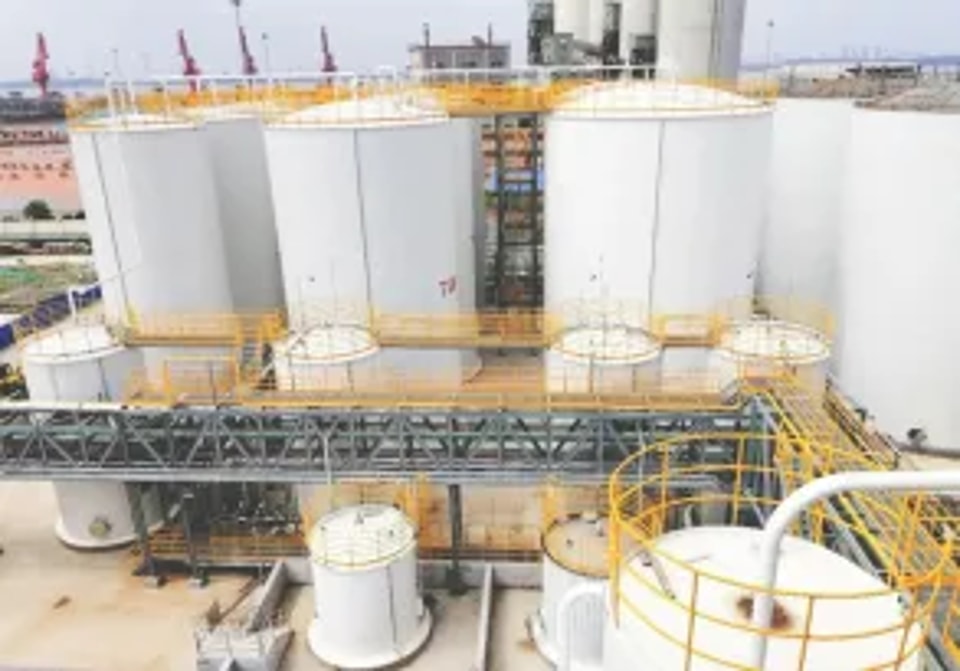
Hydrolysis and Esterification vs. Glycerolysis: Selecting the Optimal Path for DAG Synthesis
2/4, 2026
Diacylglycerol (DAG) oil has firmly established itself as a premier functional food ingredient, with well-documented health benefits including the modulation of lipid metabolism and support for weight management. As global demand for healthier oil alternatives accelerates, producers face a critical technological decision: selecting the most efficient, scalable, and economically viable synthesis pathway for commercial-scale manufacturing. Two primary chemical routes dominate industrial-scale production: the sequential hydrolysis and esterification method, and the more direct glycerolysis approach. Each pathway presents a distinct set of chemical principles, process complexities, and economic implications that fundamentally influence the design, operation, and profitability of the entire diacylglycerol production line. For investors and plant managers, understanding these nuances is not merely academic—it is the foundational step in de-risking a major capital investment. This article provides a detailed technical and operational comparison of these two methods, offering actionable insights to guide the strategic planning of a new or upgraded DAG production solution. The Hydrolysis and Esterification Pathway: Engineered for High Purity and Feedstock Flexibility The hydrolysis and esterification route is a two-stage process prized for its precision and product quality control. In the first stage, triglycerides undergo hydrolysis, typically using water under controlled conditions (often with chemical or enzymatic catalysis), to cleave the ester bonds, yielding free fatty acids (FFAs) and glycerol. These FFAs are then separated and purified. In the crucial second stage, the purified FFAs undergo esterification with glycerol under precisely controlled temperature and vacuum conditions, often catalyzed by specific lipases or chemical catalysts, to synthesize DAG. The foremost advantage of this method is its ability to produce DAG with exceptionally high purity and a targeted isomeric profile, particularly favoring the 1,3-DAG isomer linked to superior health outcomes. This pathway also offers remarkable feedstock flexibility. It can efficiently process oils with high initial FFA content or varying fatty acid compositions, which might be cost-prohibitive or problematic for other methods. This makes it an ideal DAG production solution for operations seeking to utilize diverse or cost-effective raw materials without compromising final product specifications. However, this flexibility comes with inherent complexity. The process requires more unit operations—including dedicated hydrolysis reactors, FFA separation units, and often a dedicated esterification system—which can lead to higher initial capital expenditure. Furthermore, managing water generation during esterification and achieving high conversion rates demand sophisticated process control. In a well-engineered diacylglycerol production line, these challenges are addressed through integrated heat recovery systems, advanced reactor design for efficient water removal, and automated control systems to maintain optimal reaction equilibrium, ensuring the process remains economically competitive at scale. The Glycerolysis Approach: Streamlined Process with Distinct Purification Demands Glycerolysis represents a more direct, single-step synthesis route. In this transesterification reaction, triglycerides react directly with glycerol in the presence of a catalyst (alkaline, enzymatic, or metallurgical) to produce a mixture of monoacylglycerols (MAG), diacylglycerols (DAG), and residual triglycerides. The core appeal of glycerolysis lies in its process simplicity and lower energy intensity. By eliminating the separate hydrolysis and FFA purification stages, it can reduce the overall equipment footprint, simplify process flow, and potentially lower utility consumption related to those omitted steps. The primary trade-off, however, lies in reaction equilibrium and downstream processing. The glycerolysis reaction naturally reaches an equilibrium that yields a mixture of MAG, DAG, and TAG, often making it challenging to achieve a high DAG yield without significant recycling or advanced process intensification. Consequently, a glycerolysis-based plant places immense importance on—and cost into—its downstream purification section. High-efficiency molecular distillation, often multiple stages, becomes non-negotiable to isolate the desired DAG fraction from the reaction mixture to the required commercial purity (e.g., 80% DAG or higher). This method is also notably more sensitive to feedstock quality. The presence of high FFA levels can neutralize alkaline catalysts or poison enzymatic ones, leading to side reactions like soap formation, reduced catalyst efficiency, and lower final product yield. Therefore, a glycerolysis-based DAG production solution typically mandates the use of rigorously refined, bleached, and deodorized (RBD) oils with very low FFA and moisture content, which can increase raw material costs. Strategic Selection: Aligning Technology with Business Objectives The choice between hydrolysis-esterification and glycerolysis transcends chemical preference; it is a strategic business decision that aligns technology with core operational and market objectives. Key decision factors include: · Feedstock Strategy: Plans to use variable or lower-cost oils favor hydrolysis-esterification. Secure access to premium, consistent RBD oil may make glycerolysis viable. · Target Market & Purity: Markets demanding ultra-high-purity, nutraceutical-grade DAG, especially with a specified 1,3-DAG content, are better served by the hydrolysis-esterification route. · Scale & Capital: Glycerolysis may present a lower initial capital barrier for smaller to mid-scale entries, though operational costs (catalyst, purification) must be scrutinized. Large-scale, continuous production aimed at the food-grade oil market can be efficiently designed around either pathway, with the decision heavily weighted by long-term feedstock economics and product portfolio. · Operational Expertise: The slightly more complex hydrolysis-esterification process may benefit from a closer partnership with the technology provider for commissioning and optimization. The key to transforming the above variables into an optimized and practical factory design lies in abandoning the 'one-size-fits-all' mindset. The ideal approach is to conduct a comprehensive feasibility study, including pilot trials using the customer's target raw materials, in order to accurately simulate the yield, purity, and operational economics of both routes. This data-driven method ensures that the final construction is not just a simple assembly of equipment, but a complete production asset designed to achieve maximum return on investment. This data-driven approach allows us to recommend and deliver a DAG production solution that is not just a collection of equipment, but a fully integrated production asset engineered for maximum return on investment, reliability, and the flexibility to adapt to future market shifts. Engineering the Optimal Pathway Forward for Ocean Ultimately, both hydrolysis and esterification and glycerolysis are proven, industrially viable pathways to DAG synthesis. The "optimal" path is uniquely defined by the intersection of a producer's raw material base, target product specifications, financial model, and strategic goals. The complexity of this decision underscores the importance of partnering with an experienced provider who can offer unbiased technological analysis and full lifecycle support. Its value lies in helping clients make precise decisions based on solid data, thereby turning technology path choices into clear competitive advantages and investment returns. We engineer a customized diacylglycerol production line that intelligently incorporates the most advantageous elements of chemical synthesis and downstream processing, ensuring the final facility is a robust, efficient, and profitable foundation for long-term success in the dynamic functional oils industry.
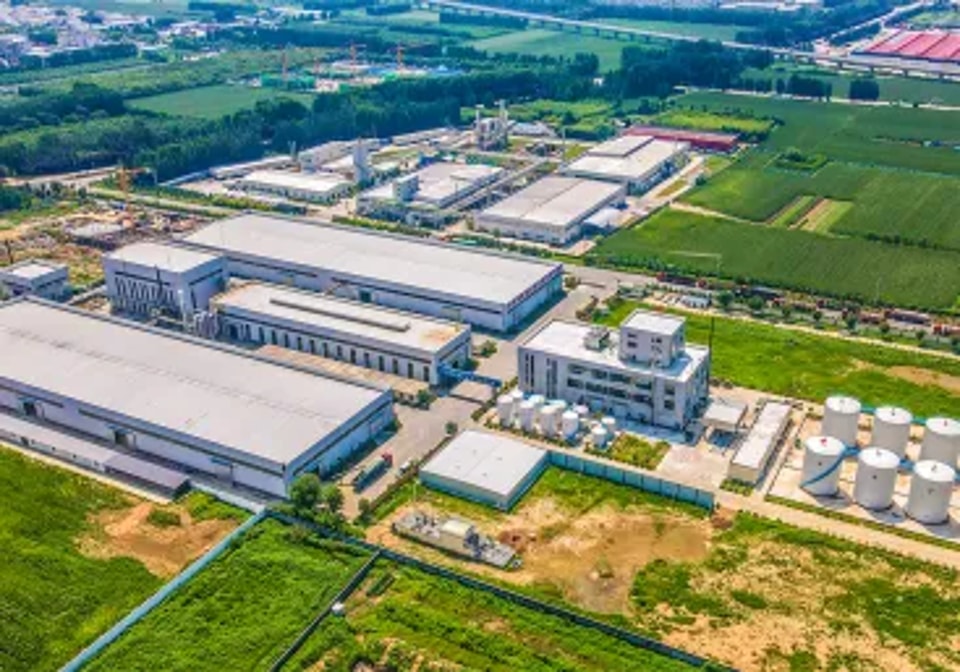
Raw Material Preparation: Optimizing Feedstock Selection for High-Quality DAG Oil Production
2/4, 2026
In the specialized field of functional oils, the production of Diacylglycerol (DAG) oil stands out for its significant health benefits and growing market demand. However, the journey to a successful and profitable DAG product begins long before the enzymatic reaction or molecular distillation stages; it starts with the critical step of raw material selection. The quality, composition, and handling of the initial feedstock, such as soybean or rapeseed oil, directly dictate the efficiency of the entire production process, the purity of the final product, and the overall economic viability of the operation. For businesses investing in a DAG production solution, mastering feedstock preparation is not merely a preliminary step but a foundational strategy for achieving a competitive edge. This article will explore the key considerations in optimizing feedstock selection and preparation, a principle central to the robust engineering of a diacylglycerol production line. The Critical Role of Feedstock Composition in DAG Synthesis The chemical journey of converting triglycerides (TAG) into diacylglycerols (DAG) is highly sensitive to the initial composition of the oil. Not all crude vegetable oils are created equal, and their inherent properties can either facilitate or hinder the esterification process. Key factors such as Free Fatty Acid (FFA) content, the presence of phospholipids (gums), metal ions, and moisture must be meticulously managed. High FFA levels, for instance, can consume catalysts and lead to increased soapstock formation during pre-treatment, reducing overall yield and potentially causing emulsion issues downstream in the diacylglycerol production line. Similarly, phospholipids and metals can deactivate expensive enzymes, leading to incomplete conversion and higher operational costs. Therefore, the first pillar of an optimized DAG production solution is a rigorous pre-treatment protocol. This typically involves degumming to remove phospholipids, neutralization or physical refining to reduce FFAs, and bleaching to adsorb pigments, metal ions, and oxidation products. By establishing stringent specifications for the refined, bleached, and deodorized (RBD) oil entering the reaction phase, we ensure a consistent and high-quality starting point. This proactive approach minimizes catalyst consumption, maximizes reaction efficiency, and ensures the subsequent purification stages, such as molecular distillation, operate at peak performance to isolate high-purity DAG effectively. Selecting the Right Feedstock: A Comparative Analysis of Soybean and Rapeseed Oils Choosing the most suitable feedstock is a strategic decision that balances cost, availability, and desired DAG characteristics. Soybean oil and rapeseed oil (including canola) are two of the most common and viable raw materials, each with distinct advantages. Soybean oil is widely available and often cost-effective, making it an attractive option for large-scale production. Its fatty acid profile, rich in polyunsaturated fats like linoleic acid, contributes to the health benefits of the resulting DAG oil. However, this high level of unsaturation also makes it more susceptible to oxidation, necessitating careful handling under inert atmospheres and precise temperature control throughout the DAG production solution. Rapeseed oil, particularly low-erucic acid canola oil, is prized for its well-balanced fatty acid composition, with a favorable ratio of monounsaturated, polyunsaturated, and saturated fats. This balance often translates to better oxidative stability in the final DAG oil compared to soybean-based DAG, potentially extending shelf life. Furthermore, the specific fatty acid chain lengths can influence the melting point and functional properties of the DAG, which may be a consideration for certain food applications. Therefore, before finalizing the plan, conducting a comprehensive feasibility study (including pilot-scale tests) to select the optimal raw materials based on specific production capacity, regional raw material supply, and target market demand is a key strategic step to ensure success. Advanced Pre-Treatment Technologies for Feedstock Stabilization Beyond basic refining, advanced pre-treatment technologies can significantly enhance the suitability of a feedstock for DAG synthesis. Modern systems go beyond standard degumming and bleaching to incorporate features that protect the oil and improve the efficiency of the entire production line. For example, enzymatic degumming can offer higher gum removal efficiency and better oil yield compared to traditional water degumming, resulting in a cleaner feedstock for the enzymatic esterification process. This level of precision in pre-treatment is a hallmark of a sophisticated DAG production solution. Another critical aspect is the integration of automated handling and inert gas blanketing systems. From the moment the RBD oil is received, it should be protected from exposure to oxygen and light, which can initiate oxidation and degrade oil quality before it even enters the reactor. Our approach includes using nitrogen blanketing in storage tanks and pipelines to prevent oxidation. Additionally, automated dosing systems ensure the precise addition of any necessary antioxidants or other processing aids. This focus on stabilization from the very beginning minimizes the formation of off-flavors and ensures the production of a DAG oil with a neutral taste and excellent oxidative stability, meeting the highest standards for food-grade and nutraceutical applications. Strategic Sourcing and Quality Assurance for Long-Term Success Ultimately, optimizing feedstock for a diacylglycerol production line extends beyond technical processing to encompass strategic sourcing and a robust Quality Assurance (QA) program. Establishing long-term partnerships with reliable suppliers who can provide consistent, high-quality crude oil is paramount. This involves setting clear quality parameters for incoming raw materials and conducting regular audits and testing to verify composition and detect any potential adulteration. Implementing a comprehensive QA system from feedstock intake to final product packaging is non-negotiable. This system should include Hazard Analysis Critical Control Point (HACCP) principles, with critical control points identified at the feedstock reception and pre-treatment stages. By controlling the quality at the source, we can prevent costly disruptions and quality deviations downstream. This proactive and holistic view of raw material management ensures that the significant investment in a DAG production solution is protected and that the plant operates reliably, delivering a consistent, high-value DAG oil that builds brand reputation in the competitive functional oils market. Building a Foundation for Excellence in DAG Manufacturing The path to producing premium Diacylglycerol oil is fundamentally built upon the meticulous selection and preparation of its raw materials. Viewing feedstock optimization not as an isolated step but as an integrated component of the entire DAG production solution is what separates efficient, profitable operations from those that face constant challenges. By prioritizing feedstock composition, employing advanced pre-treatment technologies, and implementing rigorous quality assurance from the very start, manufacturers can ensure their diacylglycerol production line achieves optimal conversion rates, superior product quality, and long-term operational stability. A commitment to excellence in this initial phase lays the groundwork for a successful and sustainable venture into the growing functional foods industry.
Global Market Outlook for Diacylglycerol (DAG): Growth Drivers and Regional Trends
2/4, 2026
The global edible oils market is undergoing a significant transformation, driven by a rising consumer focus on health and wellness. Within this dynamic landscape, Diacylglycerol (DAG) oil has emerged as a prominent functional oil, capturing the attention of food manufacturers and health-conscious consumers alike. Unlike conventional triacylglycerol (TAG) oils, DAG oil, particularly its 1,3-DAG form, is metabolized differently in the body, leading to reduced postprandial serum triglycerides and less fat accumulation. This unique physiological benefit positions DAG as a key ingredient in the development of healthier food products. As demand grows, understanding the global market dynamics, including key growth drivers and distinct regional trends, becomes crucial for stakeholders looking to invest in this promising sector. This article provides a comprehensive analysis of the future outlook for DAG oil and the strategic importance of partnering with experienced DAG production solution providers to capitalize on these opportunities. Key Drivers Fueling the Global DAG Market Growth Several powerful factors are converging to accelerate the adoption of DAG oil worldwide. The most significant driver is the escalating global health crisis related to obesity and metabolic syndromes. As governments and health organizations intensify efforts to combat these issues, food manufacturers are under pressure to reformulate products with healthier ingredients. DAG oil offers a compelling solution without sacrificing taste or functionality in applications like cooking oils, margarines, and baked goods. Furthermore, advancements in production technology have made high-purity DAG oil more commercially viable. Modern enzymatic synthesis and sophisticated molecular distillation techniques ensure consistent quality and scalability, making it an attractive investment. The expanding nutraceutical and functional food industry also represents a major growth avenue, with DAG being incorporated into weight management supplements and specialized nutritional products. These drivers create a robust foundation for sustained market expansion in the coming decade. Analyzing Regional Trends and Market Opportunities The adoption and growth of the DAG market are unfolding at different paces across the globe, shaped by regional dietary habits, regulatory environments, and economic development. · Asia-Pacific: The Epicenter of Growth: The Asia-Pacific region, led by Japan, China, and India, is the largest and fastest-growing market for DAG oil. Japan has been a pioneer, with DAG-enriched cooking oils widely available for years, setting a strong consumer precedent. China’s market is expanding rapidly due to its large population, increasing disposable income, and growing health awareness. This region's familiarity with functional foods and the high prevalence of lifestyle diseases make it a primary target for investment in a new diacylglycerol production line. · North America and Europe: Mature Markets with High-Value Potential: In North America and Europe, the market is characterized by a strong demand for premium, scientifically-backed health products. Stricter regulatory frameworks from the FDA and EFSA require robust scientific dossiers, which can slow initial entry but create high barriers to competition. The trend here is towards value-added applications in clinical nutrition, sports supplements, and clean-label products. Manufacturers in these regions are particularly interested in solutions that guarantee purity and compliance with stringent food safety standards. · Emerging Markets: Latent Potential: Regions like Latin America, the Middle East, and Africa present significant long-term opportunities. As urbanization continues and middle-class populations grow, the demand for healthier edible oils is expected to rise. While the market is currently nascent, early investment in establishing production capabilities can yield substantial first-mover advantages. The Critical Role of Advanced Production Technology in Market Competitiveness To successfully navigate this promising yet complex global market, access to reliable and efficient production technology is non-negotiable. The quality, purity, and cost-effectiveness of DAG oil are directly tied to the sophistication of the manufacturing process. A state-of-the-art diacylglycerol production line typically involves several critical stages: precise enzymatic esterification, purification to remove impurities, and high-vacuum molecular distillation to separate DAG from other glycerides. The ability to control these processes with high precision determines the final product's yield, stability, and sensory profile. Companies that invest in advanced, integrated solutions are better positioned to meet the diverse and demanding requirements of different regional markets, from producing high-volume cooking oil for Asia to manufacturing pharmaceutical-grade DAG for North America. Strategic Partnerships for Success in the Evolving DAG Landscape As the global demand for Diacylglycerol oil continues its upward trajectory, the decision to enter or expand in this market is only the first step. Selecting the right technology partner is a strategic decision that lays the foundation for your plant's efficiency, product quality, and long-term competitiveness. Therefore, it is crucial to choose a technology partner that can provide an end-to-end solution, from feasibility studies and pilot testing to installation, commissioning, and after-sales support. Suppliers with extensive industry experience and proprietary technology can significantly help clients reduce project risks, accelerate production timelines, and ensure that production facilities achieve optimal operational efficiency and profitability. By leveraging our company extensive experience and patented technologies, clients can mitigate project risks, accelerate time-to-market, and ensure their production facility operates at peak efficiency and profitability. Final Thoughts on Ocean’s DAG Market Potential Driven by strong health trends and technological advancements, the DAG oil market has a promising outlook. The regional variations in market maturity and consumer preferences highlight the need for a flexible and well-informed strategy. Succeeding in this highly competitive field hinges on turning market insights into strategic investments in core production technologies. Therefore, collaborating with engineering partners who have professional experience is an effective way to build cutting-edge production facilities that meet the highest international standards, thereby securing a favorable position in the global dynamic market.
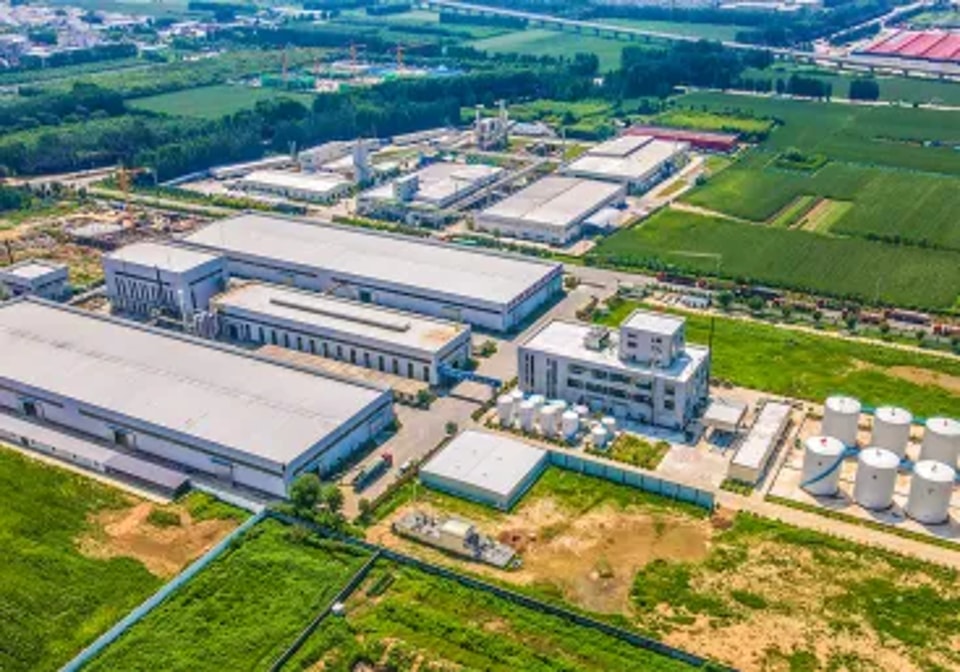
Smart Automation in DAG Production: Trends & Benefits for Modern Manufacturers
2/3, 2026
The global functional oils market is experiencing a remarkable transformation, driven by increasing consumer awareness of healthier dietary choices and the growing demand for specialized nutritional products. Diacylglycerol (DAG) oil, a scientifically-validated functional oil with demonstrated health benefits, represents one of the most promising segments in this evolving landscape. With the rapid evolution of the functional oils and fats market, successfully seizing emerging opportunities such as diacylglycerol oils requires manufacturers to have infrastructure far beyond traditional standards. An intelligent production system that is not only efficient but also reliable, scalable, and compliant has become a key strategic differentiator. The strategic integration of smart automation technologies within a modern DAG production solution has therefore become a critical competitive differentiator, enabling producers to achieve superior product quality while optimizing operational costs. This comprehensive analysis explores the latest trends in automated DAG manufacturing and details the substantial operational and financial benefits for businesses considering investment in an advanced diacylglycerol production line. The Strategic Imperative: Moving from Manual Processes to Integrated Automation Systems Traditional edible oil processing methodologies often involve disconnected operational stages and considerable manual oversight, creating significant challenges in maintaining product consistency and controlling operational expenditures. These conventional approaches typically result in variable product quality, higher energy consumption, and increased labor costs. In stark contrast, a state-of-the-art diacylglycerol production line is conceived as a fully unified, digitally-controlled system. Leading industrial solution providers are spearheading this technological evolution by implementing comprehensive automation from the initial oil pretreatment phase through all critical processing stages to final purification and packaging. The technological cornerstone of this advanced methodology is a sophisticated distributed control system (DCS) that perpetually monitors and dynamically fine-tunes critical process variables—including precise temperature gradients, system pressure levels, reactant residence times, and flow rates—during essential stages like enzymatic esterification, molecular distillation, and winterization. This holistic integration guarantees the entire manufacturing process adheres to exact technical specifications, drastically reducing the potential for human error while establishing a reliable foundation for exceptional product consistency across all production batches. The implementation of such integrated automation represents a fundamental shift from reactive problem-solving to proactive process optimization, enabling manufacturers to achieve unprecedented levels of production efficiency and product quality. Core Manufacturing Stages Revolutionized by Precision Automation Technologies The operational and qualitative dividends of advanced automation are most pronounced within the technically demanding phases of DAG manufacture, where precise control directly impacts final product quality and production economics. At the critical esterification stage, top-tier automated control systems can precisely manage catalyst concentration, reaction temperature profiles, and pressure conditions down to the tiniest detail. This level of accuracy is crucial for optimizing conversion efficiency and maximizing product yield. This level of precision is paramount for optimizing conversion efficiency and maximizing final product yield while minimizing the formation of undesirable by-products. Similarly, The molecular distillation stage greatly benefits from precise automated monitoring. Advanced systems can ensure a stable high vacuum and maintain an accurate thermal gradient. The advanced control system ensures stable high-vacuum levels and maintains precise thermal gradients to avoid damaging heat exposure, thereby preserving the oil's functional integrity, nutritional profile, and organoleptic properties. In the subsequent winterization and filtration stages, automation enables precise temperature control during cooling cycles and optimized filtration parameters, ensuring the final product demonstrates perfect clarity and stability. Such a comprehensive degree of integrated control, intrinsic to a well-engineered DAG production solution from a provider like Ocean, is virtually impossible to maintain consistently through manual operation and has become a fundamental prerequisite for manufacturing food-grade and nutraceutical-grade products that comply with increasingly stringent global quality and safety standards. Quantifiable Business Advantages of an Automated DAG Production System The strategic investment in an automated production line directly correlates with measurable improvements across multiple operational and financial metrics. A primary benefit is the marked increase in overall production efficiency and equipment utilization rates. Automated process sequencing facilitates near-continuous operation with minimal interruptions between batches, while exact algorithmic control over raw material inputs, chemical consumption, and utility usage dramatically curtails waste generation. Subsequently, operational expenditures are significantly reduced through multiple mechanisms. A smart diacylglycerol production line typically incorporates advanced energy integration technologies—such as waste heat recovery systems and optimized thermal management—that can reduce energy consumption by 20-30% compared to conventional systems. Furthermore, the reduced dependence on extensive manual labor for process monitoring and control results in substantially lower labor costs and decreased human resource requirements. Moreover, operational scalability and production flexibility are inherent features of modern automated systems. The increasing adoption of skid-mounted, pre-assembled automated modules allows for more straightforward future capacity expansions or even entire facility relocations, thereby safeguarding the capital investment and providing manufacturers with exceptional agility to adapt to evolving market demands and seasonal fluctuations. These automated systems also generate comprehensive production data that enables sophisticated analytics for continuous process improvement and predictive maintenance strategies. The Critical Role of a Specialized Turnkey Solution Provider in Successful Implementation Implementing an intelligent, automated production plant is a complex multidisciplinary endeavor that demands specialized knowledge across process engineering, automation technology, and project management. Success in these projects hinges on the seamless integration of multiple technological domains—including process technology, mechanical engineering, electrical systems, and advanced control software—into a single, highly dependable operational unit. This technological complexity highlights the necessity of choosing an experienced partner with demonstrated expertise in delivering end-to-end turnkey projects. An established provider brings critical industry experience to the table, ensuring the proposed DAG production solution is not just technologically advanced but also designed for operational robustness, long-term stability, and compliance with relevant industry standards. Furthermore, comprehensive after-sales support services—encompassing remote system diagnostics, proactive maintenance planning, readily available spare parts, and ongoing operator training—are essential elements for ensuring the sophisticated automation system continues to perform optimally throughout its entire service life, thereby maximizing the return on investment and minimizing operational risks. The selection of a qualified technology partner ultimately determines the success of the automation project, influencing everything from initial commissioning to long-term operational excellence. Positioning Your Operation for Future Success in the Evolving Functional Oils Industry The ongoing technological shift towards intelligent automation in DAG production is rapidly becoming a strategic imperative for manufacturers targeting leadership positions in the high-value functional foods industry. The strategic embedding of advanced control systems and smart automation technologies into a modern diacylglycerol production line offers manufacturers unparalleled product consistency, superior operational economics, and enhanced supply chain responsiveness. By adopting these innovative technologies, forward-thinking businesses can effectively meet the rising global demand for high-purity DAG oil while establishing a strong competitive advantage through superior quality and production efficiency. For industry players aiming to establish, expand, or modernize their production capabilities, collaborating with an experienced engineering partner to deploy a customized and automated DAG production solution represents the most strategic pathway to achieving sustainable growth, enhanced profitability, and a commanding market position in the dynamic and rapidly expanding functional oils sector. The future of DAG manufacturing undoubtedly belongs to those who successfully integrate smart automation technologies with robust process engineering, creating manufacturing facilities that are not only efficient but also intelligent, adaptable, and future-ready.
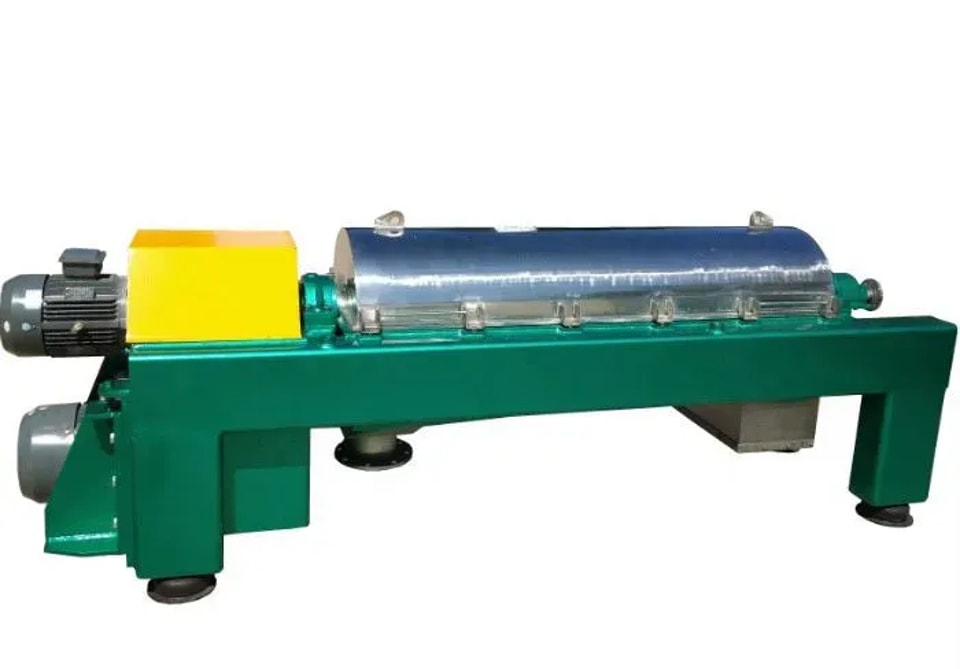
Top 7 Equipment for Efficient DAG Production
2/3, 2026
In the competitive landscape of functional foods, Diacylglycerol (DAG) oil has emerged as a premier ingredient for health-conscious consumers and innovative food manufacturers. Producing high-purity DAG oil that meets stringent quality and safety standards requires a sophisticated and integrated manufacturing approach. Success hinges not on individual machines, but on a seamlessly coordinated production line where each piece of equipment plays a critical role. Producing high-purity DAG oil requires a precise and integrated production process. The key to success does not lie in a single piece of equipment, but in the seamless coordination and optimized integration of all equipment throughout the production line. This article will provide an in-depth analysis of the seven core pieces of equipment that make up an efficient diacylglycerol production line, and explain how they work together to ensure the optimization of final product yield, purity, and operational economy. 1. The Continuous Esterification Reactor: The Heart of DAG Synthesis The transformation of triglycerides into diacylglycerol occurs within the esterification reactor, making it the core of the entire process. Modern systems favor continuous reactors over traditional batch models for their superior efficiency and consistency. In a continuous setup, pre-treated oil and catalysts are fed into the reactor under precisely controlled temperature and pressure conditions. This design allows for a steady-state reaction, minimizing side reactions and ensuring a consistently high conversion rate to DAG. The core of advanced reactor design lies in optimizing residence time and heat transfer efficiency, which is crucial for achieving high yields in large-scale production. This robust piece of equipment is fundamental to a reliable DAG production solution. 2. Advanced Molecular Distillation Systems: Achieving Unmatched Purity Following the esterification reaction, the product mixture contains DAG, unreacted triglycerides, monoglycerides (MAG), and other components. Isolating high-purity DAG requires a separation technology that operates at extremely low pressures to prevent thermal degradation. Molecular distillation, or short-path distillation, is the industry benchmark for this critical step. This equipment evaporates the desired DAG molecules under a high vacuum, allowing them to travel a short distance to a condenser without decomposing. The precision of this system directly determines the final product's purity and quality. Integrating a high-efficiency molecular distillation unit is non-negotiable for any diacylglycerol production line aiming to produce food-grade or nutraceutical-grade DAG oil. 3. Sophisticated Oil Pretreatment Units: Ensuring Feedstock Quality The efficiency of the entire production process begins with the quality of the raw material. A dedicated pretreatment unit is essential to prepare the incoming edible oil—whether soybean, rapeseed, or sunflower—for the esterification reaction. This stage involves degumming to remove phospholipids, filtration to eliminate suspended impurities, and drying to reduce moisture content. By ensuring the feedstock is clean, dry, and stable, the pretreatment unit prevents catalyst deactivation and undesirable side reactions downstream. A well-designed pretreatment system, a hallmark of a comprehensive DAG production solution from Ocean, lays the foundation for smooth operations and high final product quality. 4. Precision Winterization and Filtration Systems: Enhancing Clarity and Stability To ensure the DAG oil remains clear and stable during storage, especially in cooler climates, the removal of high-melting-point fractions is necessary. The winterization process involves cooling the oil in a controlled manner to crystallize waxes and saturated fats. These solids are then removed using specialized filtration systems, such as membrane filter presses. This step is vital for improving the oil's cold stability and consumer appeal. The design of the cooling and filtration equipment directly impacts the efficiency of wax removal and the overall oil yield, making it a key consideration in the diacylglycerol production line design. 5. Automated Purification and Bleaching Systems: Refining Color and Odor Before the final distillation, the reacted oil often requires purification to remove residual free fatty acids, pigments, and trace metal ions. This is typically achieved through a neutralization and bleaching process. An automated system for adding bleaching earth (clay) ensures precise dosing, minimizes dust pollution, and improves operational safety. This purification step enhances the oil's color, reduces the potential for oxidation, and contributes to a neutral flavor profile. Automation in this stage, as implemented in Ocean's solutions, reduces labor costs and increases production consistency. 6. Integrated Process Control and Automation (PLC/SCADA) While not a single piece of "production" equipment, a fully automated control system is the central nervous system that orchestrates the entire diacylglycerol production line. A Programmable Logic Controller (PLC) and Supervisory Control and Data Acquisition (SCADA) system monitor and control every parameter—from temperature and pressure in the reactor to vacuum levels in the distiller and flow rates throughout the plant. This technology enables precise process control, ensures repeatability, reduces human error, and provides valuable data for optimizing production. For a provider like Ocean, delivering a DAG production solution means integrating this level of smart automation to guarantee stable, efficient, and safe plant operation. 7. Efficient Heat Exchange and Utility Systems: Maximizing Energy Recovery DAG production is an energy-intensive process, particularly during heating and distillation. Therefore, a well-designed network of heat exchangers is critical for operational economy. These systems capture waste heat from various process streams (e.g., hot distilled oil) and use it to preheat incoming feedstock or utility water. By implementing a robust waste heat recovery strategy, a diacylglycerol production line can significantly reduce steam consumption and lower overall operating costs. This emphasis on energy recovery is a key part of achieving sustainable manufacturing. Engineering Your Competitive Edge in Functional Oils An efficient diacylglycerol production line is a masterfully integrated system where each component, from reactor to control panel, must perform in perfect harmony. The selection and engineering of these seven key equipment types determine not only the capacity and purity of the DAG oil produced but also the long-term profitability and scalability of the operation. Therefore, a successful investment means that the chosen technological solution must have leading advantages in core reaction efficiency, separation accuracy, and energy recovery. By focusing on this integrated equipment approach, manufacturers can confidently enter the high-value functional oils market, ensuring their production is efficient, consistent, and ready to meet future demands.
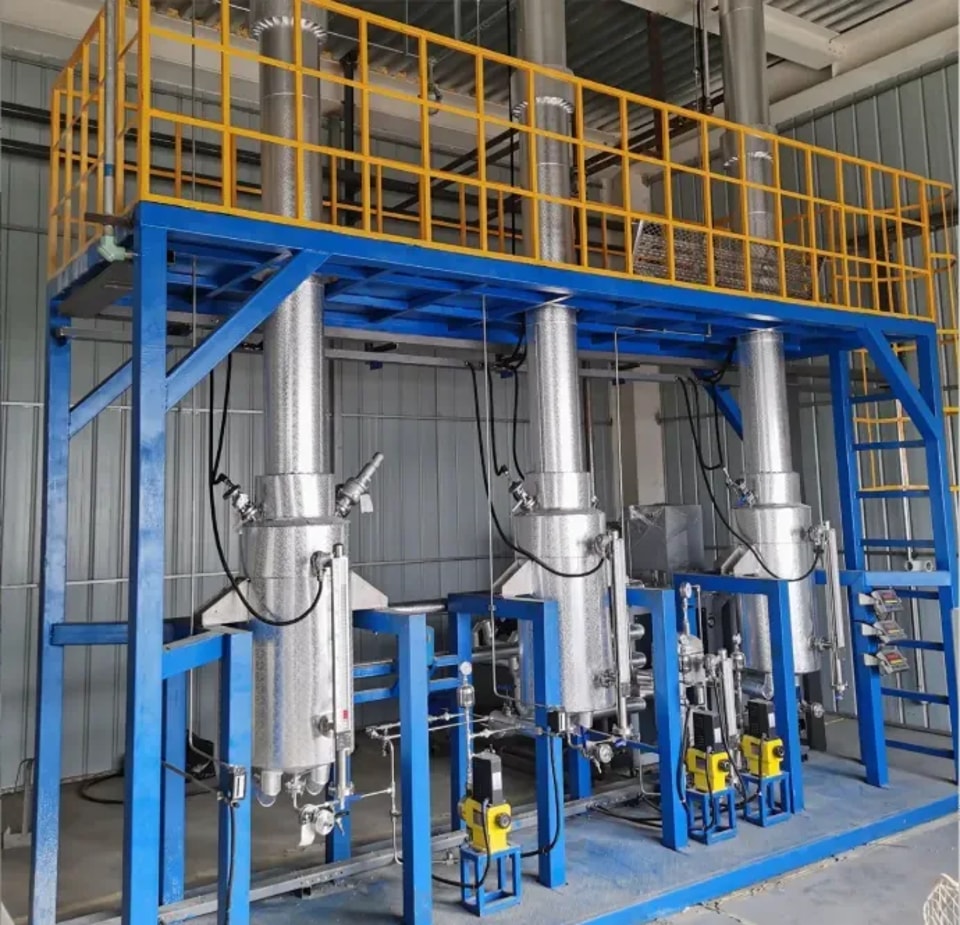
DAG Production Line: Full Workflow & Best Practices for Industrial Success
2/3, 2026
Diacylglycerol (DAG) oil has emerged as a revolutionary functional fat, offering significant health benefits over conventional triglycerides. For food manufacturers and edible oil refiners, establishing an efficient and reliable DAG production line is key to capitalizing on this growing market. A well-executed project requires a deep understanding of the entire workflow, from raw material selection to final product purification. This article provides a comprehensive overview of the industrial-scale diacylglycerol production line, detailing each critical stage and sharing essential best practices to ensure optimal yield, quality, and return on investment. The Core Stages of an Industrial DAG Production Workflow A modern diacylglycerol production line is a sophisticated, integrated system designed for continuity and precision. The process can be broken down into five fundamental stages, each crucial to the final product's quality and purity. 1. Raw Oil Pretreatment and Conditioning: The foundation of high-quality DAG oil begins with meticulous feedstock preparation. Incoming crude edible oils, such as soybean, rapeseed, or sunflower oil, must be refined to remove impurities like phospholipids, metal ions, and moisture. This pretreatment is vital as these contaminants can deactivate the catalyst in the subsequent reaction stage, leading to reduced conversion efficiency and higher operational costs. A robust pretreatment system ensures a stable, clean feedstock, which directly translates to higher reaction yields and smoother downstream processing. 2. Esterification: The Heart of DAG Conversion: This is the central reaction where triglycerides are converted into diacylglycerol. The process typically involves enzymatic esterification, where a specific lipase acts as a biocatalyst. The key to success in this stage is precise control over reaction parameters, including temperature, pressure, and water removal. Advanced systems employ continuous reactors with optimized residence times to maximize DAG yield while minimizing the formation of by-products like monoacylglycerols (MAG) and free fatty acids (FFA). Efficient water removal during the reaction drives the equilibrium towards higher DAG conversion, significantly boosting the overall production economics. 3. Purification and Impurity Management: Following esterification, the reaction mixture contains DAG, unreacted triglycerides, MAG, FFAs, and spent catalyst. A purification stage is essential to remove these impurities. This often involves neutralization, bleaching, and adsorption processes to eliminate fatty acids, pigments, and metal ions. A thoroughly purified intermediate oil is more stable against oxidation and possesses a neutral flavor profile, which is critical for food-grade applications. This step ensures the system remains uniform and reduces stress on the high-purity separation equipment that follows. Optimizing for High Purity: Advanced Separation and Finishing After purification, the mixture undergoes precise separation to isolate the commercial-grade DAG. 1. Molecular Distillation for Ultra-Purity: To achieve the high purity levels required for nutraceutical or premium food applications, molecular distillation is employed. This short-path distillation technique operates under high vacuum and controlled temperatures, effectively separating DAG from unreacted oil, MAG, and trace triglycerides with minimal thermal degradation. This technology is essential for obtaining a product that maintains its natural stability and flavor. 2. Winterization and Final Filtration: The final step involves winterization and fine filtration to enhance the oil's sensory characteristics and shelf life. The distilled oil is cooled under controlled conditions to precipitate any remaining high-melting-point fractions, such as waxes and saturated fats. These solids are then removed through precision filtration. This process improves the oil's low-temperature fluidity, clarity, and long-term storage stability, ensuring the final product maintains a desirable appearance and quality throughout its distribution cycle. Implementing Best Practices for a Successful DAG Production Solution Beyond understanding the workflow, adhering to industry best practices is what separates a profitable operation from an underperforming one. Here are key considerations for maximizing your DAG production line's efficiency and output. · Embrace Automation and Process Control: Implementing a fully automated control system is non-negotiable for modern production. Automated PLC/SCADA systems ensure precise control over temperature, pressure, flow rates, and reactant ratios. This minimizes human error, enhances batch-to-batch consistency, and allows for real-time monitoring and adjustment, leading to higher overall equipment effectiveness (OEE) and reduced labor costs. · Prioritize Energy Integration and Sustainability: A significant portion of operating expenses in a DAG production solution is energy consumption. Integrating waste heat recovery systems can dramatically reduce steam and cooling water requirements. For instance, capturing heat from the distillation unit to preheat feedstock for the esterification reactor can lower energy consumption by a substantial margin, aligning economic benefits with environmental sustainability goals. · Focus on Lifecycle Value, Not Just Initial Cost: The evaluation of a production line must go beyond the initial investment and focus on its comprehensive value throughout the entire lifecycle. This includes the maturity of process design, the reliability of core equipment, and whether continuous technical support is available to meet future production challenges. This includes the quality of engineering, the reliability of key equipment like molecular distillation systems, the comprehensiveness of after-sales support, and the provider's expertise. A partnership with an experienced provider like Ocean ensures access to technical support, spare parts, and operational training, which are critical for long-term, trouble-free operation and maximizing your plant's uptime. Securing Your Competitive Edge in Functional Oils Establishing a successful diacylglycerol production line is a strategic investment that requires careful planning and execution. By mastering the complete workflow—from stringent feedstock pretreatment to high-purity molecular distillation—and implementing robust best practices focused on automation and energy efficiency, producers can achieve a significant competitive advantage. The future of edible oils is increasingly focused on functionality and health, and a reliable, high-yield DAG production solution positions your company at the forefront of this trend. To establish a foothold in this high-end market, the key to success lies not only in choosing the craftsmanship but also in collaborating and innovating with partners who have profound expertise in oil technology and mature engineering implementation experience. This collaboration is the cornerstone to ensure that projects achieve maximum return on investment from design to operation.
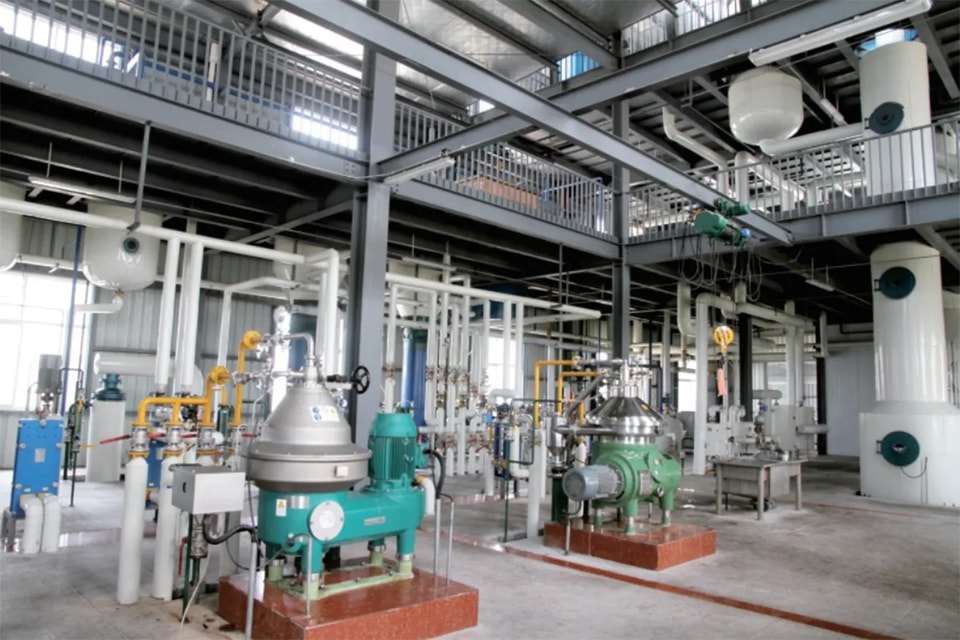
Enzymatic Synthesis vs. Chemical Esterification for DAG: Which Is Better?
2/2, 2026
In the competitive landscape of functional food ingredients, diacylglycerol (DAG) oil has emerged as a leading product due to its scientifically supported health benefits. The choice of production technology is a pivotal strategic decision for any operation targeting the high-value diacylglycerol (DAG) market. It carries long-term implications for product quality, operational costs, and market positioning. The two primary industrial-scale production methods are chemical esterification and enzymatic synthesis. This analysis provides a comprehensive, comparative overview to help business leaders and project engineers understand the critical differences in process efficiency, product profile, and overall economic viability. Selecting the right pathway is the first and most crucial step in designing a successful diacylglycerol production line. As a provider of integrated manufacturing solutions, we guide clients through this foundational choice to build a system that aligns with both their financial goals and product quality standards. The Technical Merits and Modern Advantages of Enzymatic Synthesis Enzymatic synthesis utilizes specific, immobilized lipases as biocatalysts to facilitate the esterification or glycerolysis reactions that produce DAG. This method is distinguished by its high selectivity and its operation under significantly milder conditions compared to traditional chemical processes. The reactions typically proceed at lower temperatures (often between 50-70°C) and atmospheric pressure, which inherently minimizes the formation of thermal degradation by-products such as glycidyl esters (GE) and trans-fatty acids. This selectivity results in a purer product stream with a higher concentration of the desired DAG isomers, which in turn reduces the burden and cost of downstream purification steps like molecular distillation. For manufacturers targeting the premium health and wellness segment, this method offers a compelling value proposition. It aligns perfectly with “clean-label” consumer trends and stringent regulatory frameworks. While the initial cost of enzymes is a consideration, modern DAG production solution designs incorporate efficient enzyme immobilization and recovery systems, allowing for multiple reuse cycles and significantly lowering the catalyst cost per ton of output. From a holistic engineering perspective, a well-designed enzymatic process also reduces overall energy consumption and simplifies waste stream management, contributing to a more sustainable operation. The Established Dynamics and Considerations of Chemical Esterification The traditional chemical pathway for DAG production relies on inorganic alkaline catalysts, such as sodium methoxide, at elevated temperatures and often under reduced pressure to drive the reaction forward. The primary historical advantages of this method are its rapid reaction kinetics and the relatively low upfront cost of the chemical catalysts. For large-scale operations focused on producing commodity-grade or standard DAG where the absolute highest purity is not the sole critical factor, the chemical method presents a straightforward and familiar engineering model. However, this approach comes with significant trade-offs. The process lacks specificity, typically yielding a complex mixture of monoacylglycerols (MAG), triacylglycerols (TAG), and DAG. Achieving the high DAG concentrations required for functional food applications necessitates extensive and energy-intensive downstream processing, including multi-stage molecular distillation and deodorization. Furthermore, the use of strong alkaline catalysts requires meticulous neutralization and washing steps, generating soapstock and wastewater that must be treated. There is also a heightened risk of side reactions, including color formation and the potential generation of unwanted process contaminants, which can affect final product stability and safety. Strategic Investment Analysis: Beyond the Initial Reaction The decision between these two technologies should be framed as a comprehensive investment analysis that considers the total cost of ownership over the lifespan of the diacylglycerol production line. While the chemical route may appear to have a lower initial capital expenditure (CAPEX) on catalyst systems, the operational expenditures (OPEX) can be higher. These include costs for energy-intensive purification, waste treatment, and potential yield losses during extensive refining. Conversely, the enzymatic route, while potentially involving a higher initial CAPEX for the specialized biocatalyst and reaction system, often demonstrates a lower long-term OPEX. The benefits manifest in reduced utility consumption (due to milder conditions), lower waste treatment costs, higher overall product yield, and the ability to command a premium price in the market for a cleaner, higher-purity product. Therefore, the choice is inherently tied to the target market segment: chemical esterification may suffice for bulk industrial applications, while enzymatic synthesis is increasingly viewed as the superior technology for producing pharmaceutical-grade or high-end nutritional DAG oil. Navigating Your Path to a Future-Proof Production Facility The strategic choice between enzymatic and chemical pathways hinges on a comprehensive analysis of target markets, feedstock profiles, and total cost of ownership. There is no universal solution. A successful project requires translating this technological choice into an efficiently engineered process that integrates advanced purification and energy recovery. This is where deep specialization matters. At Ocean, our role is to partner with clients to conduct a thorough feasibility study, evaluating these critical variables to determine the optimal technology—be it enzymatic, chemical, or a hybrid approach. The final outcome is a tailored production line engineered not just for today’s specifications, but for tomorrow’s market demands, ensuring long-term competitiveness and return on investment.
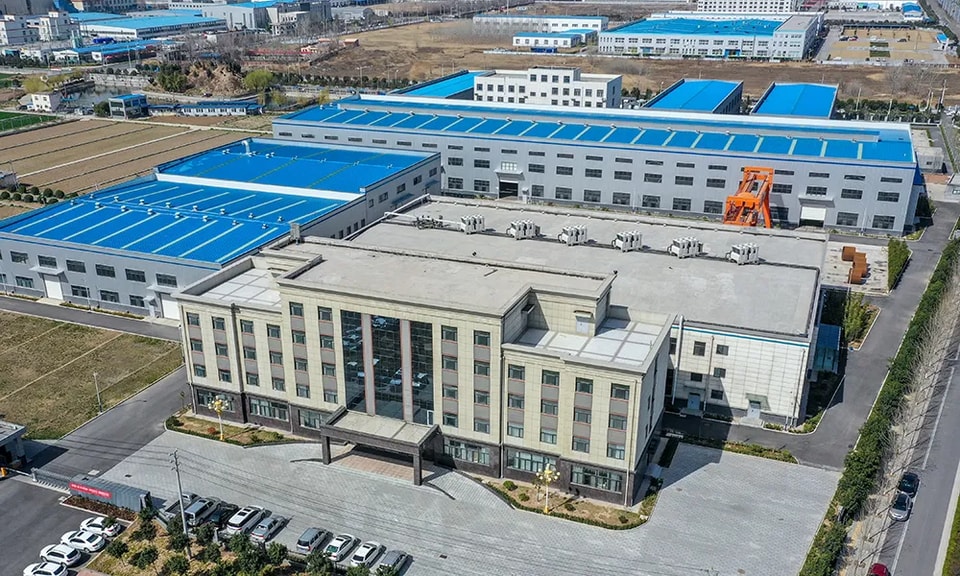
A Strategic Guide to Selecting Your Diacylglycerol Production Partner in 2026
2/2, 2026
The functional food ingredients market is witnessing unprecedented growth, and diacylglycerol (DAG) oil is at the forefront, acclaimed for its role in supporting healthier dietary fats. Competition in the functional lipids market in 2026 is no longer merely a battle over products, but a contest of underlying technologies and processes. Therefore, the choice of a technical partner fundamentally determines a company’s starting line in the market. This choice transcends simple equipment procurement; it is a strategic alliance that will define product quality, operational efficiency, and market competitiveness for years to come. A provider's ability to deliver a fully integrated diacylglycerol production solution is paramount. At Ocean, our global reputation is built on this integrated model. We guide our partners through a meticulous process, evaluating technical prowess, project execution capabilities, and long-term commitment to ensure their investments yield sustainable returns. When clients choose to work with us, we begin by deeply understanding clients' production goals, ensuring our core competencies are aligned to deliver a truly reliable partnership. Assessing Technical Depth and Validated Project Execution The cornerstone of a reliable partnership is a demonstrable history of success. Potential clients must look beyond marketing claims to tangible evidence of expertise. · Comprehensive Project Portfolio: A credible partner will showcase a diverse portfolio of completed projects. Scrutinize the scale of these installations, such as the 5 TPD and 10 TPD lines successfully implemented by partners like Ocean, the variety of raw oils processed, and the consistently high purity levels of the final DAG oil. This demonstrates adaptability and proven performance across different client requirements and regional challenges. · Commitment to Research and Development: The technology behind a modern diacylglycerol production line is constantly evolving. Inquire about the company's investment in R&D, their patent holdings, and how they integrate innovations. For instance, Ocean employs advanced enzymatic esterification and short-path distillation to optimize conversion rates, minimize energy consumption, and ensure the entire process remains economically viable and environmentally sound. · Mastery of Process Engineering: True expertise is revealed in the understanding of the entire production chain. A superior provider possesses deep knowledge of every stage, from enzymatic degumming and precise fat reaction control to advanced purification techniques. Solution provider should act as consultants, capable of optimizing the entire workflow for your specific feedstock to maximize yield and ensure the highest product quality. A partner with profound technical depth provides not just machinery, but a guaranteed process that is efficient, stable, and designed for future scalability. Evaluating the Turnkey Solution and Uncompromising Quality Standards For a global project, a fragmented approach to project management introduces significant risk. A true partner offers a seamless, integrated service from initial concept to final commissioning. · End-to-End Project Management: The most reliable providers distinguish themselves with a full turnkey service. This encompasses initial feasibility studies, detailed engineering design, precision manufacturing, rigorous installation supervision, hands-on commissioning, and comprehensive operator training. This single-source responsibility model, a hallmark of providers like Ocean, streamlines communication, accelerates timelines, and provides you with a single point of accountability, significantly de-risking the project. · Stringent Quality Assurance and Certifications: The equipment comprising a diacylglycerol production line must adhere to the highest international standards. Verify that the provider maintains certified quality management systems like ISO 9001 and that critical components carry necessary safety certifications. This commitment is non-negotiable for ensuring plant safety, operational reliability, and compliance with stringent global manufacturing and food safety regulations. · Proprietary Technology and Process Integration: Assess the sophistication of their core technology. Expertise in areas like multi-stage molecular distillation is essential for achieving the high purity levels required for premium DAG oil. Efficiency at this stage serves as a direct yardstick for measuring the technological advancement of the entire solution, and it is directly related to the preservation of the nutritional value of oils and fats. Selecting a partner who manages the entire project lifecycle and enforces rigorous quality controls results in the acquisition of a high-performance production asset, not merely a collection of individual machines. The Critical Importance of Global Support and Sustained Partnership The launch of the production line is just the beginning. For a global operation, the value of a provider is equally measured by the strength and reach of their support network long after commissioning. · Robust and Responsive After-Sales Support: A dependable partner will have a clearly defined global support structure. This includes 24/7 remote troubleshooting capabilities, a strategically located inventory of critical spare parts, and scheduled preventive maintenance programs. Such proactive support is vital for minimizing unplanned downtime and protecting your long-term operational profitability. · Proven Experience in International Projects: A provider with a history of successful international installations is adept at navigating the complexities of cross-border logistics, cultural differences in project management, and varying local regulatory frameworks. Suppliers with successful international project experience can effectively handle complex challenges such as cross-border logistics and cultural differences, which is crucial for the smooth implementation of projects. · A Philosophy of Long-Term Collaboration: The ideal relationship evolves into a strategic partnership. The provider should demonstrate a vested interest in your success, offering ongoing performance optimization services and technical updates to help you adapt to new market opportunities and enhance your return on investment throughout the plant's entire operational life. Making an Informed Decision for Long-Term Success The quest to identify a partner for your diacylglycerol production line in 2026 demands a rigorous and comprehensive evaluation strategy. By prioritizing validated technical expertise, a truly integrated turnkey approach, and an unwavering commitment to global after-sales support, you can confidently select a provider capable of delivering a world-class production facility. This careful selection process, guided by the principles exemplified by industry leaders, lays the foundation for a successful venture into the profitable and growing market for functional oils. A reliable diacylglycerol production solution from a trusted partner ensures your company is well-positioned to meet future demands with a superior, high-quality product that captures market share and builds a reputable brand.
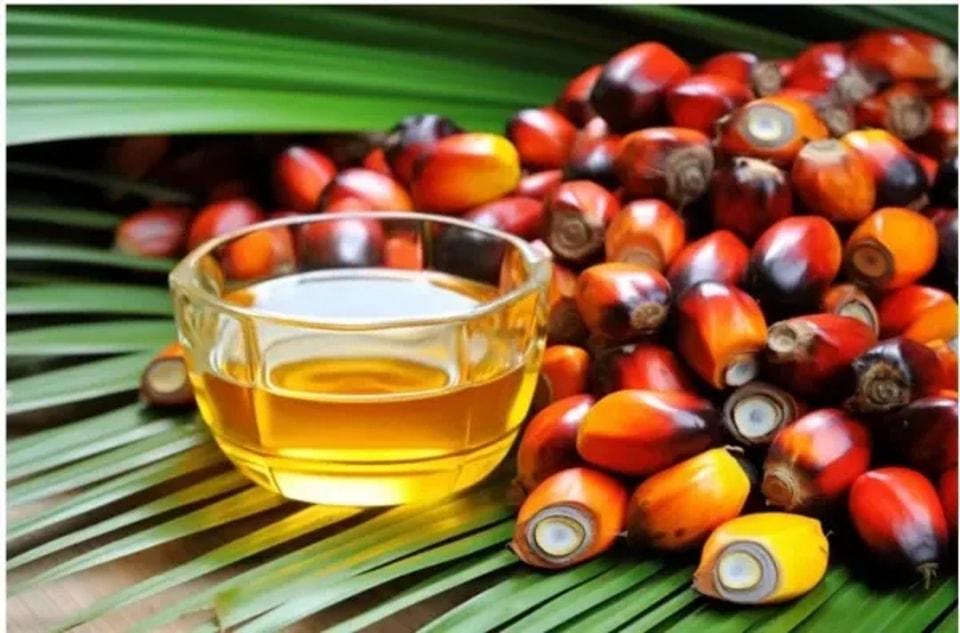
Diacylglycerol Production Line Price Analysis: Enzyme Costs, CAPEX, and Utilities Consumption Introduction
2/2, 2026
The global shift towards healthier dietary fats has positioned diacylglycerol (DAG) oil as a premier ingredient in the functional food market. Amid the vigorous development of the healthy oils and fats market, investing in a diglyceride production line has become an important path for oil and fat manufacturers to achieve high-value growth. However, the real decision-making challenge lies in how to see through the fog of initial quotations and conduct a clear and comprehensive financial analysis. The total cost of ownership extends far beyond the initial equipment price, encompassing capital expenditure, the unique cost of enzymatic catalysts, and the ongoing consumption of utilities. This detailed price analysis aims to demystify these financial components, providing a transparent framework for evaluating a diacylglycerol production solution. Understanding this full cost structure is the first step toward realizing a strong and sustainable return on investment in the competitive landscape of advanced oil processing. A Detailed Breakdown of Capital Expenditure (CAPEX) The capital expenditure is the most substantial upfront financial outlay for a diacylglycerol production line. This investment covers the complete lifecycle of the project, from initial design and engineering to manufacturing, installation, and commissioning. Several key factors directly influence the CAPEX: · Production Capacity: The scale of the operation, whether a compact 5-ton-per-day line or a large-scale 50-ton-per-day plant, is a primary cost driver. · Level of Automation: A fully automated system with advanced PLC control panels represents a higher initial investment but leads to significant long-term savings through reduced labor costs, improved consistency, and minimized human error. · Material and Design Standards: Using high-grade stainless steel and components that meet international food safety and quality certifications (e.g., ISO, CE) ensures longevity and compliance but impacts the initial price. It is crucial to select a supplier that offers highly integrated turnkey solutions. Through unified project management and quality assurance, such solutions can effectively prevent cost overruns and project delays caused by poor coordination among multiple parties. The Critical Role and Recurring Cost of Enzymatic Catalysts A defining feature of a modern diacylglycerol production solution is the use of specialized lipases as enzymatic catalysts. These biological catalysts are preferred over traditional chemical methods for their high selectivity, which results in superior DAG yield and minimal unwanted by-products. However, they constitute a major recurring operational cost. The price of these enzymes fluctuates based on their source, purity, and stability. A key strategy for managing this expense lies in the design of the production system. Advanced technologies, such as immobilized enzyme reactors, allow for the repeated use of the same enzyme batch over many cycles, dramatically lowering the cost per ton of finished DAG oil. When analyzing costs, it is imperative to factor in the enzyme's lifespan, activity retention, and the efficiency of the immobilization process within the chosen production line. Optimizing Long-Term Operational Costs Through Utilities Management The ongoing profitability of a DAG manufacturing operation is intensely sensitive to its consumption of utilities. A meticulous analysis of these operational expenditures (OPEX) is essential: · Steam Consumption: This is a major energy cost, required for heating the esterification reactor and, most notably, for the deodorization step. Innovative plants integrate waste heat recovery systems to capture and reuse thermal energy, potentially reducing steam demand by over 50%. · Electrical Power: Electricity drives the entire operation, from raw material conveyance pumps and mixer motors to the critical vacuum systems for molecular distillation and the central control room. · Water Usage: Water is used for cooling processes and other system needs. Implementing closed-loop cooling circuits can drastically reduce freshwater consumption and minimize wastewater output. Investing in an energy-efficient design from the outset, such as one featuring Ocean's proprietary cryogenic vacuum technology, directly translates into lower utility bills. This strategic focus on OPEX ensures the long-term economic viability and environmental sustainability of the production facility. Strategic Sourcing and the Value of Partnership Selecting the right technology partner is as critical as analyzing the cost spreadsheet. The cheapest initial quote may conceal inefficiencies that lead to higher enzyme consumption and excessive utility use, eroding profitability over time. A partner with proven experience, like Ocean, brings invaluable expertise in designing a diacylglycerol production line that is optimized for total cost of ownership. Our approach includes pre-sales support, such as feasibility studies and pilot testing, to ensure the proposed solution is technically and economically sound before any major investment is made. Conclusion A thorough price analysis of a diacylglycerol production plant reveals that true cost-effectiveness is a balance of strategic CAPEX and optimized OPEX. The decision should not be based on the initial price tag alone but on a comprehensive evaluation of how the system's design manages enzyme utilization and controls utility consumption. By partnering with an expert provider that prioritizes engineering excellence and energy efficiency, companies can confidently invest in a diacylglycerol production solution that delivers not only premium-quality DAG oil but also a robust and predictable financial return, securing a competitive edge in the evolving functional fats market.
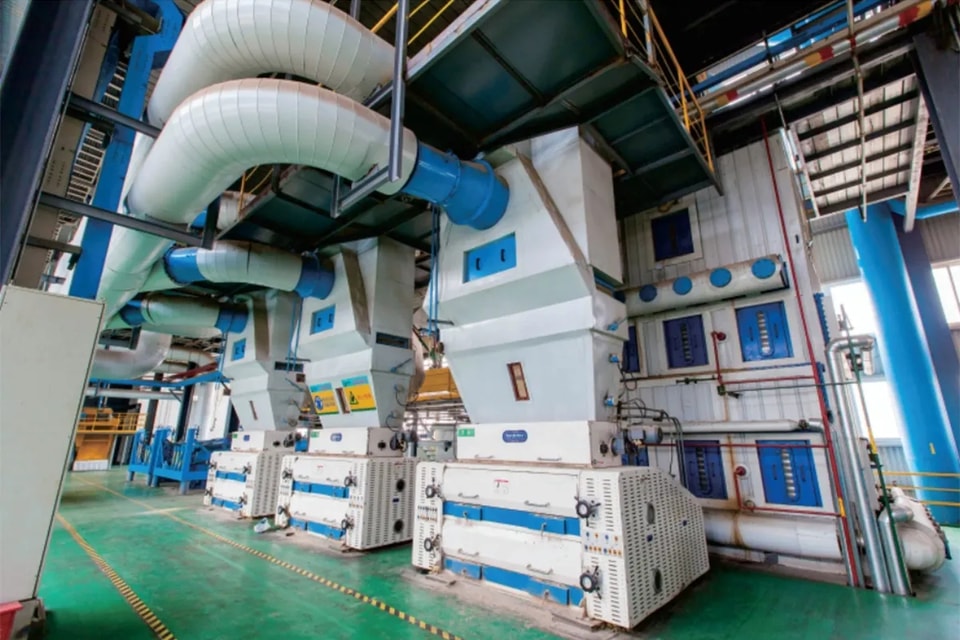
Minimizing Oxidation and Peroxide Value During Fish Oil Refining
2/2, 2026
The global demand for high-quality fish oil, rich in beneficial omega-3 fatty acids like EPA and DHA, continues to surge across the nutraceutical, pharmaceutical, and food industries. However, the very nutrients that make this oil so valuable—long-chain polyunsaturated fatty acids (PUFAs)—are highly susceptible to oxidation. For refiners, controlling oxidation and maintaining a low Peroxide Value (PV) is not just a quality goal; it's the critical determinant of product efficacy, shelf life, and commercial viability. Success hinges on deploying a complete refining process, from receipt of crude oil to final packaging, engineered specifically to protect these delicate molecules from thermal, aerial, and catalytic degradation. This article delves into the sophisticated strategies and technologies essential for preserving the integrity and value of fish oil throughout the production cycle. The Critical Imperative of Controlling Oxidation Oxidation is a destructive, self-propagating chain reaction where oxygen attacks the double bonds in unsaturated fats. This process leads to the formation of primary oxidation products (peroxides and hydroperoxides, measured as PV) and, subsequently, secondary products like aldehydes and ketones. These compounds are responsible for the rancid odors, unpleasant flavors, and loss of nutritional potency that render fish oil unacceptable for high-end markets. The refining process, while necessary to remove impurities like free fatty acids, pigments, and odors, can inadvertently accelerate oxidation if not meticulously controlled. Each stage introduces potential stressors, including elevated temperatures, exposure to air, and contact with pro-oxidant metals. Therefore, the fundamental objective of modern fish oil refining equipment is dual-purpose: to efficiently purify the oil while creating a protective processing environment that actively suppresses oxidative reactions from start to finish. A Proactive Approach from Crude Oil Handling Forward The battle against oxidation begins long before the oil enters the main refining stages. Proper handling of crude fish oil is paramount. Ideally, crude oil should be stored under an inert gas blanket (such as nitrogen) in tanks designed to minimize headspace, effectively preventing initial oxidation. The first unit operation in the refining line often involves degumming to remove phospholipids. Utilizing a gentle, water-based or enzymatic degumming process at controlled temperatures helps set a foundation of low oxidative stress. During the subsequent neutralization stage, where free fatty acids are removed, a low-temperature, long-mix alkali refining process is far superior to traditional high-temperature methods. This approach gently saponifies the acids without imposing excessive thermal load, thereby avoiding the generation of new peroxides and preserving the sensitive omega-3 chains. Advanced Bleaching and Deodorization Technologies as Key Defenses The bleaching and deodorization stages represent the most critical points for definitive oxidation control. The bleaching process employs activated earth to adsorb pigments, soap traces, and oxidation catalysts like trace metals. To prevent this necessary step from becoming a source of further oxidation, advanced animal oil refining machinery operates under a strict vacuum. This vacuum deaeration is crucial—it removes dissolved oxygen from the oil beforeit contacts the hot bleaching earth. The entire process is conducted within a tightly controlled temperature range, optimized to maximize impurity adsorption without degrading the oil. Furthermore, an automated, closed-loop system for adding and discharging bleaching earth is essential. This system minimizes the oil's exposure to atmospheric oxygen during earth addition, a common flaw in traditional, manual systems that can introduce significant amounts of air. Deodorization is the most thermally intensive step and poses the greatest risk to oxidative stability. Conventional high-temperature steam stripping can dramatically increase PV if not expertly managed. The solution lies in gentler, more efficient technology. At Ocean, our engineered solutions utilize a high-temperature vacuum deodorization system. By operating under a deep vacuum, the boiling point of volatile compounds is dramatically lowered. This allows for the effective removal of off-flavors, free fatty acids, and other volatile oxidation products at significantly reduced temperatures, typically well below those used in standard deodorizers. This gentle treatment is paramount for preserving the integrity of omega-3s. The system is often designed with pre-stripping and post-stripping falling film evaporators to ensure complete purification with minimal thermal residence time, effectively "freeze-stripping" volatiles with minimal heat input. System-Wide Integration for Guaranteed Quality and Stability Ultimately, the final oil quality is a result of the entire production line's synergistic performance, not just individual machines. An integrated turnkey solution incorporates supporting technologies that contribute significantly to oxidative stability. For instance, a full waste heat recovery system is a hallmark of an efficient plant. This technology pre-heats incoming cold oil using heat recovered from the cooling deodorized oil. This drastically reduces steam consumption and, more importantly, minimizes the thermal shock and prolonged heating of the oil, contributing directly to its stability. Moreover, a fully automated PLC/DCS control system is indispensable. It able precise, repeatable operation of every critical parameter—temperature, pressure, flow rate, and vacuum level—across all stages. This significantly reduces human error and process deviations, ensuring consistent, batch-after-batch quality that is essential for meeting the stringent standards of discerning global markets. Securing Market Leadership Through Superior Refining Practices In conclusion, minimizing oxidation and peroxide value is the definitive factor in producing premium fish oil. A product refined with these advanced, integrated technologies will have a remarkably low initial PV and a profoundly slower rate of oxidation over time. This translates directly into an extended shelf life, enhanced consumer safety, reduced customer complaints, and a strengthened brand reputation. Such technological advantages will ultimately translate into tangible commercial value: enabling manufacturers to enter higher-margin premium markets and achieve a significant improvement in profitability. Partnering with an experienced engineering provider like Ocean ensures that your production facility is a cohesive, technologically advanced system designed specifically for the delicate task of fish oil refining. By prioritizing oxidative stability at every single step, producers can confidently deliver a pure, potent, and stable product that consistently meets the highest international standards.
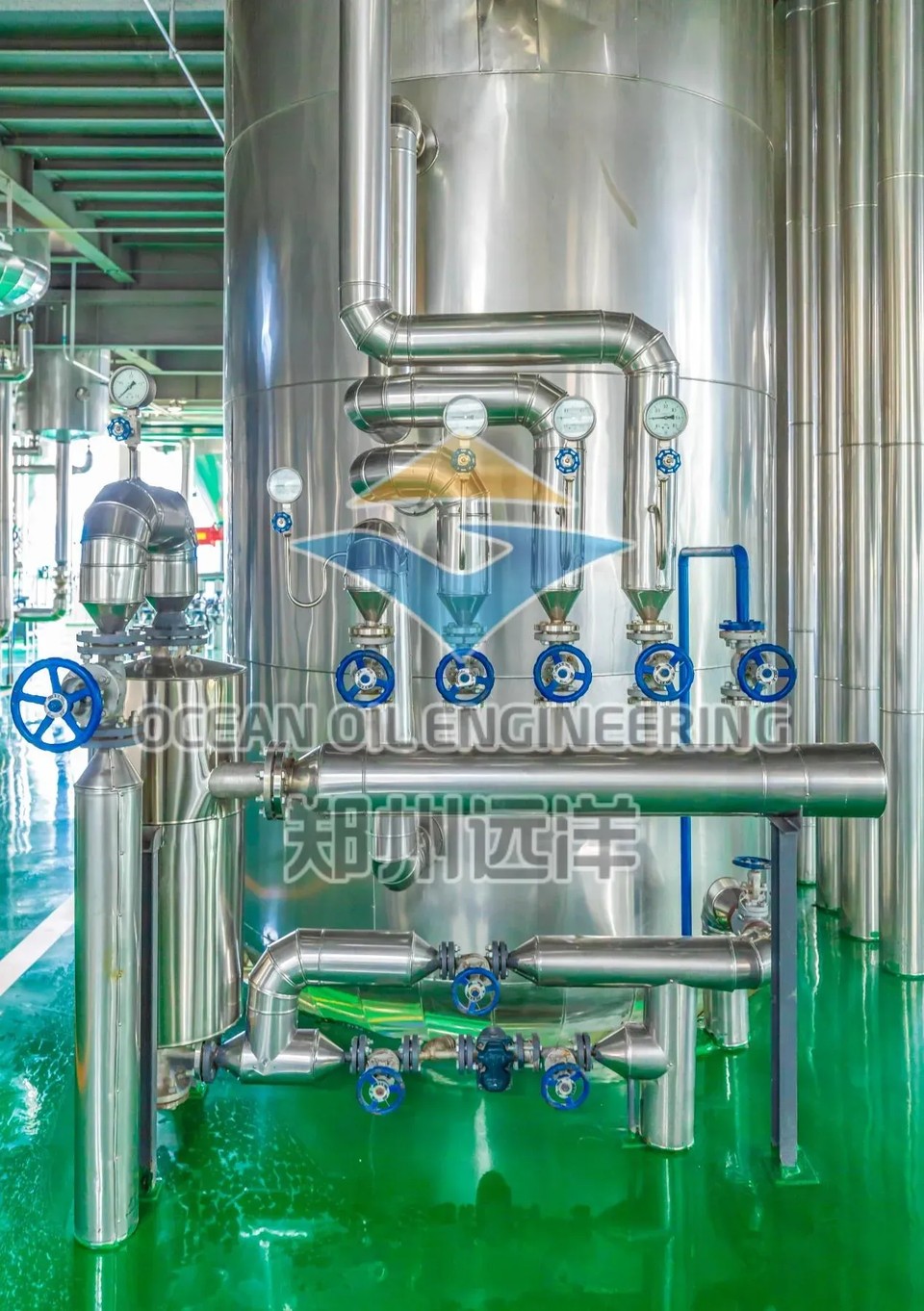
Is Fish Oil Refining Equipment Worth the Investment?
2/1, 2026
The global demand for high-quality fish oil, particularly as a rich source of Omega-3 fatty acids (EPA and DHA), is steadily rising. However, crude fish oil straight from rendering is unsuitable for human consumption or high-value applications due to impurities, strong odors, and instability. For enterprises seeking to expand into this market, a core question arises: Is investing in professional fish oil refining equipment a sound financial decision? The answer depends not only on the initial costs, but also on whether it can achieve exceptional product purity and quality, as well as ultimate market competitiveness. This article will conduct an in-depth analysis of the key considerations for such an investment from three perspectives: key technological advantages, returns on investment, and strategic value. The Critical Link Between Refining Technology and Omega-3 Preservation The primary challenge in fish oil processing is removing undesirable components—such as free fatty acids (FFA), phospholipids, pigments, and oxidation products—without degrading the sensitive Omega-3 compounds. Traditional or inadequate methods can expose the oil to excessive heat and oxygen, leading to the degradation of these valuable nutrients, ultimately diminishing the product's nutritional value and market price. Advanced animal oil refining machinery is engineered specifically to overcome this hurdle. Our solution employs a multi-stage, meticulously controlled process. It begins with gentle degumming to remove hydratable and non-hydratable gums, followed by low-temperature neutralization to minimize FFA. A crucial stage is vacuum bleaching, which uses activated earth under controlled temperature and vacuum to adsorb pigments and metal ions without harming the delicate fatty acid profile. The most critical step is deodorization, where our system utilizes high-temperature vacuum deodorization technology. This process effectively strips away volatile odor compounds and remaining FFAs through steam stripping under a deep vacuum, which significantly lowers the required temperature. This careful approach is fundamental to preserving the integrity and bioavailability of Omega-3s, ensuring the final product meets the highest standards for purity and nutritional content. Key Technological Advantages of a Modern Refining Line Investing in modern refining equipment entails far more than basic purification. Its value lies in innovative designs that enhance efficiency, yield and operational economy. A high-performance production line typically exhibits the following characteristics: One of the standout features is the Energy-Saving Vacuum System, which ensures stable and efficient operation across all stages while minimizing steam consumption and operational costs. Furthermore, the implementation of Waste Heat Recovery Technology captures and reuses thermal energy from one part of the process to another, dramatically reducing overall energy expenditure. For product quality, our Zero Trans Fatty Acid Technology guarantees the health profile of the final oil is maintained. The entire process is managed by an Intelligent Automated Control System, which allows for precise monitoring and adjustment of parameters like temperature, pressure, and flow rates. This level of automation not only ensures consistent, high-quality output but also reduces labor costs and the potential for human error, making the production process more reliable and scalable. Beyond Purity: The Tangible Returns on Your Investment When evaluating the worth of fish oil refining equipment, the conversation must extend to tangible business returns. The ability to produce a high-purity, stable fish oil with preserved Omega-3s directly translates into superior market positioning and profitability. A refined product can command a significantly higher price point in competitive markets, especially those focused on dietary supplements, pharmaceuticals, and functional foods. Our company’s refining lines are highly customizable, with capacities ranging from 5 to over 1000 tons per day, ensuring a solution that matches your specific production goals and growth trajectory. The high efficiency of the system maximizes oil yield and minimizes losses, directly improving the bottom line. The reduced energy and auxiliary material consumption, achieved through technologies like waste heat recovery, lower ongoing operational expenses. Additionally, the robust construction and comprehensive after-sales support, including remote technical assistance and access to spare parts, ensure long-term equipment reliability and minimize costly downtime. This combination of premium product output, operational efficiency, and dependable performance validates the initial capital expenditure as a strategic investment for future growth. Making an Informed Decision for Your Business with Ocean Ultimately, the decision to invest in specialized refining technology should be framed as a strategic move to enhance product value and business sustainability. If you target the high value-added fish oil market, where omega 3 purity serves as the core indicator, advanced refining technology shifts from an optional choice to a necessity. Advanced animal oil refining machinery is not merely an expense but an essential asset. It is the key to transforming a raw material into a consistent, high-grade product that meets stringent international quality standards and consumer expectations for efficacy and safety. Therefore, the success of this investment depends largely on the technical partner you choose. An ideal partner should not only provide customized turnkey solutions, but also possess profound R&D capabilities, proven global project experience and a sustained commitment to technological innovation, so as to ensure that your investment can be transformed into lasting and strong competitiveness. Our company invite you to consider how a customized, turnkey refining solution can elevate your production capabilities, ensure the highest purity of your Omega-3 products, and deliver a strong, lasting return on your investment.
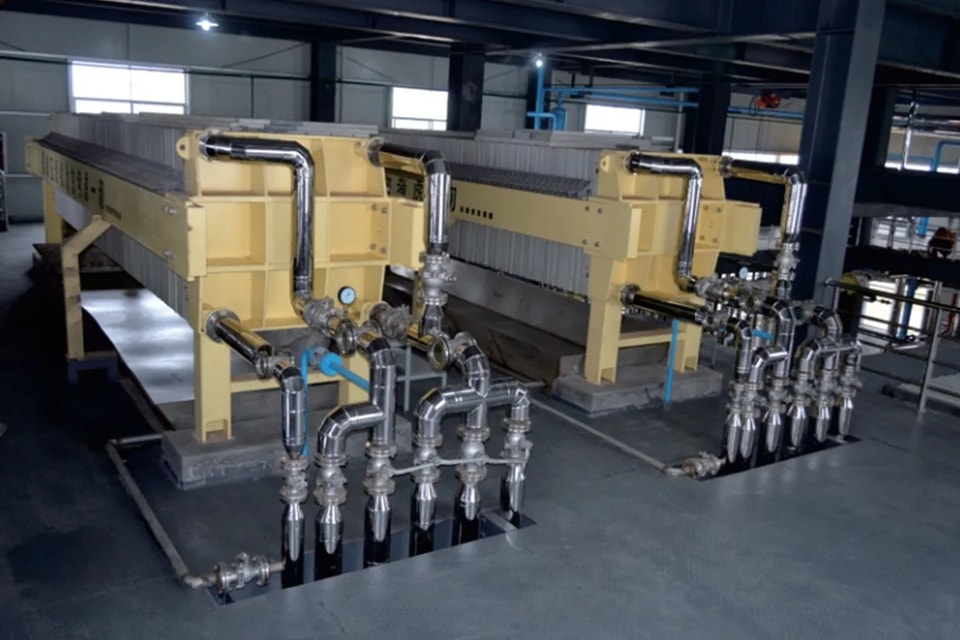
Mastering Palm Oil Fractionation: How to Calculate Yield and Optimize for Maximum Stearin Output
2/1, 2026
In the competitive landscape of palm oil processing, profitability hinges on maximizing the yield of high-value fractions, particularly palm stearin. This solid component is essential for producing specialty fats used in confectionery, margarines, and other industrial applications. While the principle of dry fractionation of palm oil—separating the solid stearin from the liquid olein through controlled cooling and filtration—is well understood, true operational excellence comes from precise yield calculation and parameter optimization. Therefore, precisely controlling the yield of fractionation has transcended the realm of mere technology and has become a core element that directly affects the profitability of palm oil processing. This guide explores the methodologies for calculating fractionation yield and outlines the critical process parameters that, when finely tuned, can significantly enhance the output and quality of stearin from your oil fractionation production line. The Fundamentals of Fractionation Yield Calculation Understanding and accurately calculating yield is the cornerstone of process evaluation and economic planning. The yield of palm stearin is essentially the mass percentage of the solid fraction obtained relative to the total feedstock. The primary formula is: Stearin Yield (%) = (Mass of Dry Stearin Cake / Mass of Feedstock Oil) × 100 However, this apparent simplicity belies the need for precise measurement. The "dry" mass of the stearin cake is critical. Any residual liquid olein trapped within the cake will inflate the mass, leading to a misleadingly high yield figure that doesn't reflect true separation efficiency. Therefore, reliable calculation depends on laboratory analysis to determine the exact oil content in the cake, often using methods like NMR or solvent extraction. Furthermore, the composition of the feedstock oil—its iodine value (IV) and fatty acid profile—sets the theoretical maximum yield. A harder crude palm oil (lower IV) naturally contains a higher proportion of solid triglycerides, offering a higher potential stearin yield from the outset. Accurate yield tracking against this theoretical baseline is the first step in identifying opportunities for process optimization. Optimizing Key Parameters in Your Production Line Achieving consistent, maximum stearin output requires meticulous control over several interdependent parameters within the fractionation plant. These are not isolated settings but a synergistic system: · Cooling Profile: This is arguably the most critical parameter. The cooling rate must be carefully programmed. Cooling too quickly results in the formation of numerous small, unstable crystals that trap liquid oil, reducing both yield and purity. An optimal, gradual cooling profile promotes the growth of large, stable stearin crystals that are easier to filter and contain less occluded olein. Modern automated systems from experienced providers like Ocean utilize programmable logic controllers (PLCs) to execute precise, repeatable cooling curves tailored to specific feedstock characteristics. · Agitation Strategy: Effective agitation ensures uniform temperature distribution throughout the crystallizer, preventing localized supercooling. However, once crystals begin to form, agitation must be adjusted to a gentle, laminar flow. Excessive shear force can break the delicate crystal matrix, leading to the same problematic fine crystals that hinder filtration. The design of the crystallizer and agitator in a high-performance oil fractionation production line is engineered to provide this precise control throughout the crystallization cycle. · Filtration Efficiency: The final separation step determines the realized yield. The goal is to achieve a firm, dry stearin cake. Key factors here include the filtration pressure, the conditioning time of the slurry before pressing, and the characteristics of the filter cloth. Higher pressures can extract more liquid, but must be applied correctly to avoid cake compaction that blocks flow. A well-designed membrane filter press system is engineered to maximize olein drainage, directly improving the dryness of the stearin and thus the true yield. This makes the choice of filtration technology a decisive factor for the overall efficiency of a palm stearin processing plant. Leveraging Advanced Technology for Process Control and Consistency Moving from manual adjustment to automated, data-driven control is what separates adequate operations from world-class performance. Today's advanced fractionation lines integrate sophisticated sensors and control systems to continuously monitor the parameters that govern yield. Inline viscosity and turbidity meters can provide real-time insights into crystallization progress, allowing for dynamic adjustment of the cooling profile. PLC systems not only automate sequences but also log historical data, enabling operators to correlate specific process settings with the resulting stearin yield and quality (measured by slip melting point and iodine value). Implementing such a system transforms process optimization from a reactive to a proactive endeavor. For instance, a top-tier dry fractionation of palm oil solution provides the tools to build "recipes" for different feedstock specifications. When processing a batch of harder palm oil, the system can automatically execute a pre-validated cooling and filtration program designed to maximize solid yield, ensuring consistency and reducing guesswork. This level of integration is what our engineering team at Ocean focuses on when delivering a turnkey system—embedding the capability for precise control and optimization directly into the plant's design. Strategic Insights for Enhancing Plant Performance Ultimately, calculating yield and tweaking parameters are not ends in themselves, but continuous improvement practices for boosting profitability. The most significant gains are often realized by viewing the oil fractionation production line as an interconnected system rather than a collection of discrete steps. A holistic review might reveal, for example, that investing in a more efficient heat exchanger for precise temperature control during cooling, or upgrading to a modern filter press with improved cake washing capabilities, delivers a return on investment through a measurable increase in stearin yield and purity. Partnering with a technology provider that offers comprehensive solutions—from initial feedstock analysis and process design to automation and after-sales support—ensures that every variable is aligned toward the goal of maximum output. In an industry where margins are defined by efficiency, mastering the science of yield calculation and the art of parameter optimization is the definitive path to securing a competitive advantage and ensuring the long-term success of your palm oil fractionation operations.
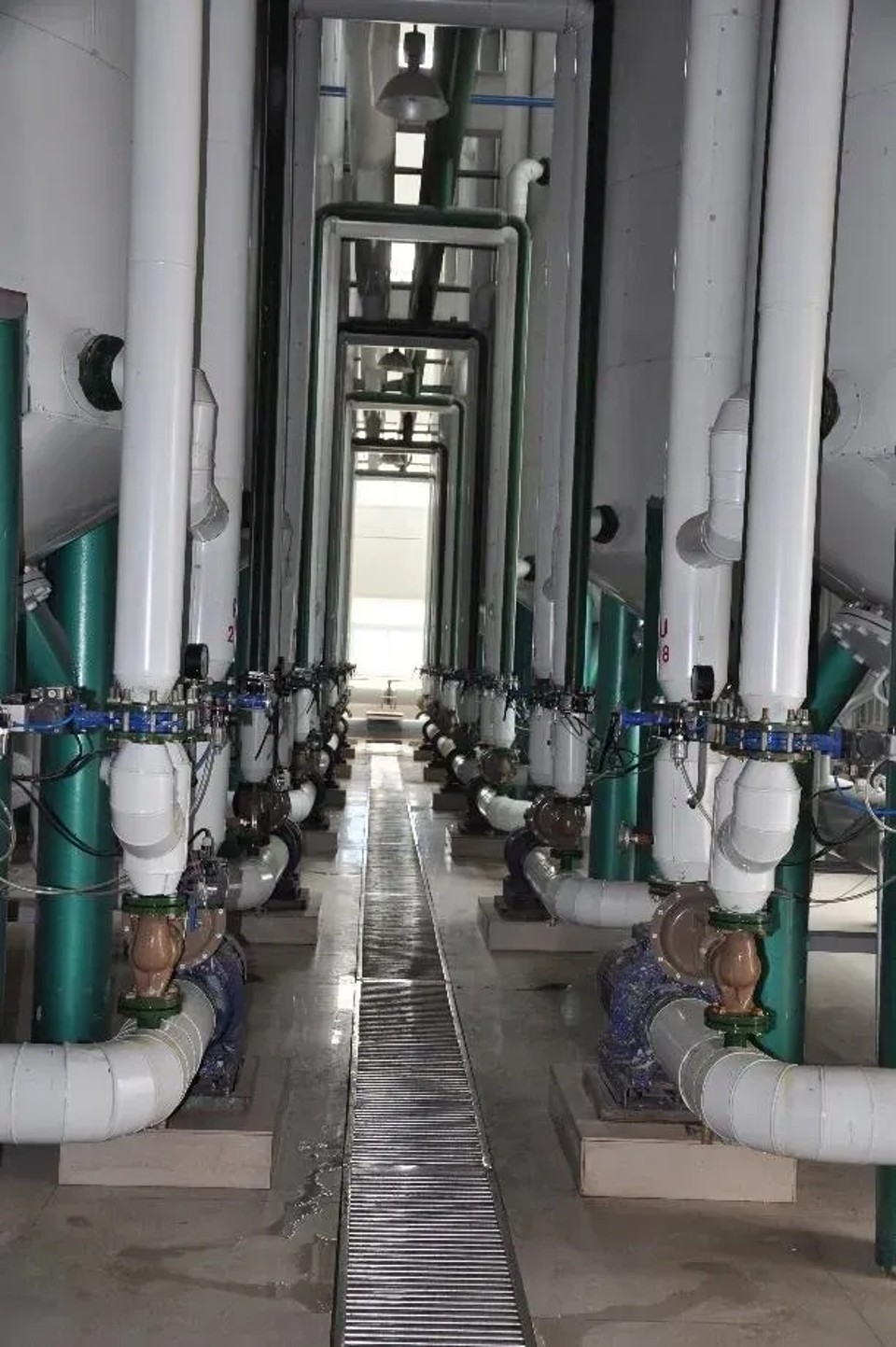
How Palm Stearin is Produced
1/31, 2026
Palm stearin is a crucial component in the global fats and oils industry, serving as a fundamental ingredient in products ranging from margarines and shortenings to soaps and candles. But how is this solid fraction separated from crude palm oil? The answer lies in a sophisticated industrial process known as fractionation. To achieve value addition in the palm oil business, the key lies in mastering the crucial process of stearin production. The Science of Separation: Understanding Fractionation Palm oil is a complex mixture of triglycerides, each with a distinct melting point. Palm stearin is the higher-melting solid fraction, while palm olein is the lower-melting liquid fraction. The core principle of fractionation is to carefully cool the oil under controlled conditions, allowing these triglycerides to crystallize based on their melting points. The solid crystals (stearin) are then separated from the liquid oil (olein). There are several methods to achieve this, with dry fractionation being the most common and cost-effective for palm oil due to its simplicity and absence of chemicals. In a typical palm stearin processing plant, the dry fractionation process begins with fully melting the crude or refined palm oil to destroy any existing crystal memory. The oil is then transferred to a crystallizer, where it is cooled according to a precise time-temperature profile. Agitation is critical at this stage; it must be vigorous enough to ensure uniform heat transfer and prevent the formation of large, hard-to-filter crystals, yet gentle enough to avoid breaking the delicate crystal structures as they form. This careful control is what defines the efficiency of a high-performance oil fractionation production line. The Key Stages in a Modern Palm Stearin Production Line A well-engineered production line is essential for maximizing stearin yield and purity. The process can be broken down into three consecutive stages: 1. Precrystallization: The Foundation of Crystal Formation. The journey begins in temperature-controlled crystallizers. Here, the molten palm oil is gradually cooled. The cooling rate is meticulously managed; if it's too fast, it results in many small, unstable crystals that trap liquid oil, reducing yield. If it's too slow, it impacts overall productivity. Advanced systems use programmable logic controllers (PLC) to follow an optimal cooling curve, ensuring the formation of stable, well-defined stearin crystals that are ideal for separation. This level of automation is a hallmark of a reliable plant designed by an expert provider like Ocean. 2. Filtration: The Critical Separation Step. Once crystallization is complete, the mixture—a slurry of solid stearin crystals suspended in liquid olein—is ready for separation. This is typically achieved using robust filtration equipment like membrane filter presses. These presses apply pressure to the slurry, forcing the liquid olein through filter cloths while retaining the solid stearin cake. The efficiency of this step directly determines the purity of both the stearin and the olein. Modern presses are designed to produce a dry stearin cake with minimal residual oil, maximizing the value of both fractions. 3. Post-Processing and Quality Assurance. The separated palm stearin cake may then be melted, polished, and stored. Quality control is paramount throughout the process. Parameters such as the iodine value (IV), slip melting point (SMP), and fatty acid composition are continuously monitored to ensure the final product meets the required specifications for its intended application, whether for food or industrial use. Optimizing Your Palm Stearin Output with Advanced Technology The difference between a basic operation and a high-value production facility often comes down to the technology employed. While the fundamental steps of fractionation are straightforward, the efficiency, yield, and consistency are greatly enhanced by advanced engineering. For instance, an optimized oil fractionation production line from Ocean incorporates several key features: · Energy-Efficient Crystallization: Proprietary cooling systems minimize energy consumption while ensuring perfect crystal growth. · High-Pressure Filtration: Advanced filter presses achieve superior cake dryness, which means more olein is recovered and the stearin is of higher purity. · Full Automation: Integrated PLC systems control every variable, from temperature and agitation to filtration pressure, reducing human error and ensuring batch-to-batch consistency. This automation makes the palm stearin processing plant easier to operate and maintain. Final Insights for Manufacturers Producing high-quality palm stearin is not merely a process of cooling and filtering; it is a precise engineering operation that unlocks significant value from palm oil. A partner well-versed in oil and fat technology can transform their expertise into measurable operational advantages - from lower energy consumption to more stable product quality, all of which are direct sources of profit. A well-designed system will not only ensure a superior stearin product with a consistent melting point and composition but will also maximize the yield of valuable palm olein, improving the overall profitability of your operation. As demand for specialty fats continues to grow, investing in an efficient and reliable palm stearin processing plant is the key to staying competitive in the dynamic global market. Companies like Ocean specialize in delivering these tailored, turnkey solutions, providing the expertise and technology needed to excel in this specialized field.
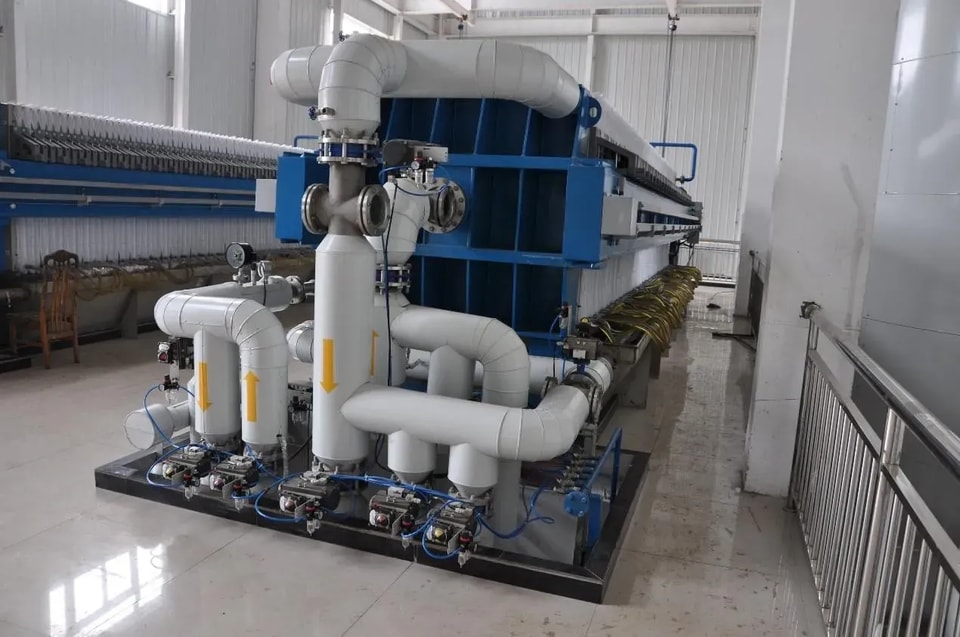
Enhancing Palm Olein Yields through Effective Cooling Curve Optimization
1/11, 2026
In the edible oil industry, maximizing the yield from the refining process is crucial for both economic viability and product quality. At Ocean, we recognize that an optimized cooling curve design is fundamental to achieving high yields, particularly in techniques like the oil fractionation production line. By focusing on cooling strategies, we can significantly influence the crystallization process, allowing for superior separation of palm olein from other fractions. Understanding the Cooling Curve in Oil Fractionation The cooling curve directly impacts the crystallization process in our palm olein production line. By controlling temperature profiles during cooling, we can guide the formation of crystals, ensuring that palm olein separates efficiently from other oil fractions. With an advanced oil fractionation production line, which incorporates state-of-the-art technology, we precisely manage the cooling rates to enhance the formation of the desired olein while minimizing the wax content. This careful control ultimately leads to higher-quality outputs and reduced waste. The Role of Temperature Control in Yield Optimization Temperature plays a pivotal role in the effectiveness of the fractionation process. At Ocean, we utilize a combination of real-time monitoring and automated adjustments within our oil fractionation production line to maintain optimal temperatures throughout the cooling phase. This sophisticated approach enables us to fine-tune the crystallization process, ensuring that the palm olein yield is maximized. By employing well-researched temperature dynamics, we can provide tailored solutions that suit the unique characteristics of different oils and fats, contributing significantly to product refinement. Custom Solutions Tailored to Specific Needs Understanding that each client may have varying demands, the industry prides itself on offering highly customizable solutions for palm olein production. Expert teams collaborate with clients to configure refining systems based on their specific raw materials and yield targets. By integrating advanced cooling curve techniques into these tailor-made systems, enhanced efficiency, higher quality, and improved operational reliability can be ensured. A commitment to customization extends to every aspect of production lines, enabling clients to achieve their desired outcomes with ease. Unlocking Greater Efficiency in Refining Operations Achieving optimal performance in the refining of palm olein is not merely about technology; it's also about understanding and executing the finer details. Through our dedication to ongoing research and development at Ocean, we continue to innovate and refine our solutions, such as our oil fractionation production line. This commitment allows us to not only maintain but elevate our clients’ refining processes. With our technical expertise and tailored solutions, the yields from our advanced palm olein production line are ensured to be optimized, contributing substantially to our clients' success in a competitive market.
Selecting the Ideal Oil Fractionation Production Line: A Comprehensive Guide
1/11, 2026
When entering the oil processing industry, selecting the right oil fractionation production line is critical to achieving desired outcomes. With various options available in the market, understanding the different methodologies can streamline your decision-making process. Our expertise at Ocean empowers you to navigate through these technical choices effectively. We recognize that our clients in Indonesia often seek high-performance yet adaptable solutions, making us a preferred oil fractionation plant supplier Indonesia. Understanding Different Fractionation Methods The first step in choosing your ideal production line entails understanding the distinct fractionation methods—each designed to optimize different aspects of oil processing. For example, dry fractionation relies purely on the oil’s physical properties, enabling crystallization and separation without the use of solvents. This method is straightforward yet effective for achieving quality outcomes while maintaining sustainability. Alternatively, solvent fractionation employs organic solvents to enhance crystal formation and ease the viscosity of oils, allowing for greater separation efficiency. This approach is especially beneficial for projects requiring high purity levels. Lastly, surfactant fractionation utilizes surfactants to selectively wet crystal surfaces, dramatically improving separation outcomes when dealing with oils where solid and liquid densities are similar. Versatile systems are available to cater to specified needs and preferences, ensuring excellent results regardless of the method chosen. Evaluating Capacity Options When selecting an oil fractionation production line, it’s essential to evaluate your capacity requirements. Our available systems range from 200 Tons Per Day (TPD) to 1200 TPD, accommodating both small- and large-scale operations. Custom solutions are also on hand, enabling modifications to suit particular plant needs and raw material types. At Ocean, we work with you to realize your production goals while ensuring efficient operation. After-Sales Support: A Must-Have Service The value of an investment extends beyond the initial purchase. Comprehensive after-sales support encompasses preventive maintenance, troubleshooting, and spare parts supply, ensuring your oil fractionation system operates seamlessly. Remote technical support and plant performance evaluations further demonstrate a commitment to helping achieve optimal efficiency. This after-sales service establishes suppliers as reliable partners, prioritizing operational success. Making the Right Choice Choosing the appropriate oil fractionation production line hinges on several factors, including production capacity, the type of oil you’re processing, and specific product requirements. We invite you to collaborate with our team at Ocean for expert consultation and custom design services tailored to your operational ambitions. By understanding your unique requirements, we can provide a system that not only meets but exceeds your expectations. Your Path to Success Selecting the optimal oil fractionation production line is paramount for ensuring that your operations run smoothly and efficiently. With multiple methods to consider, flexible capacity options, and robust after-sales support from Ocean, you are well-equipped to make an informed decision. Let us guide you on your journey toward achieving unparalleled operational success in the oil processing industry.
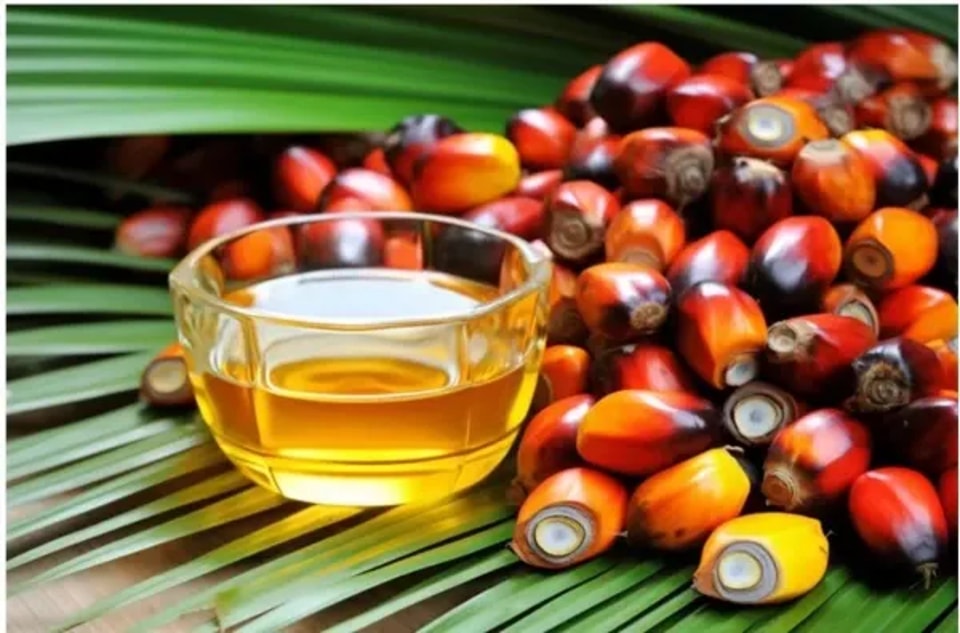
Navigating Success: A Dry Fractionation Plant in Tropical Environments
1/11, 2026
At Ocean, we have always understood the importance of tailoring our solutions to meet the unique demands of our clients around the world. Recent advancements in our oil fractionation production line technology have allowed us to expand our offerings significantly, especially for clients in regions with tropical climates, such as Indonesia. Our experience in helping clients efficiently utilize local raw materials is invaluable. With a commitment to delivering customized solutions, the ability to support diverse oil fractionation needs, ensuring quality and precision, is a point of pride. Focusing on Specific Raw Materials Our oil fractionation plant is engineered to support several methods tailored for specific raw materials. The dry fractionation system we offer is particularly beneficial for oils and fats that are easy to fractionate, such as palm oil and cocoa butter substitutes. Many of our clients in Indonesia rely on this system, enabling them to process tropical oils with remarkable efficiency. This approach not only maximizes yield but also improves the overall quality of the end product. A commitment to innovation means systems can be adapted to meet the precise needs of customers, fostering success in local markets. Unmatched Customization and Technical Support At Ocean, customization is at the heart of our services. We collaborate closely with our clients to design our oil fractionation production line based on their raw materials, target products, and operational capacity. This flexibility allows us to offer bespoke solutions that significantly enhance product quality while ensuring operational efficiency. Our comprehensive technical support complements these solutions, providing assistance from the initial installation to continual operational training. Clients can trust that when they choose us as their oil fractionation plant supplier Indonesia, they receive not only a product but also a partnership aimed at achieving long-term success. Integrating Advanced Technology into Operations Our strong R&D capabilities equip us with the know-how to integrate advanced technology into our operations seamlessly. With over 70 national patents under our belt, we utilize cutting-edge techniques to enhance our oil fractionation production line. Our approach to fractionation—whether it's employing solvent, dry, or surfactant-assisted methods—ensures that clients can achieve high-purity products tailored to the specific market demands. This innovation has positioned us as a reliable ally for businesses in Indonesia looking to optimize their extraction processes with precision and efficacy. Empowering Clients with Sustainable Practices As we work with customers worldwide, sustainability remains at the forefront of our solutions. Ocean emphasizes responsible practices throughout the oil fractionation process while promoting the use of environmentally friendly technologies. By harnessing tropical natural resources, we are not just creating business opportunities but also contributing to sustainable development in these regions. Clients can embrace modern, eco-friendly practices in their operations, paving the way for a more responsible approach to oil fractionation. Continuing the Journey Together The journey towards establishing an effective oil fractionation plant involves collaboration, innovation, and a strong commitment to excellence. Ocean is dedicated to being the trusted supplier and partner for clients in Indonesia and beyond. We continuously adapt and enhance our technology to ensure that we meet the evolving needs of our customers while upholding the values of sustainability and quality. As we look forward to future projects, we remain committed to empowering our clients with customized solutions tailored to enhance their operational excellence in oil fractionation.
Understanding the Functionality of a Dry Fractionation Plant in Oil Processing
1/11, 2026
In the dynamic world of oil processing, a dry fractionation plant plays a crucial role in separating oils into distinct components. Utilizing the plant's carefully designed processes, we can achieve high-quality oil fractions without involving solvents. Specialization in creating comprehensive oil fractionation production line solutions tailored to customer needs is a hallmark of modern providers. This article explores the essential functions and purposes of a dry fractionation plant and how it contributes to efficient oil processing. The Principle of Dry Fractionation At the core of the dry fractionation plant is the principle of utilizing the intrinsic physical properties of oils. The process involves cooling the oil to form solid crystals, which can then be separated through filtration or centrifugation. Unlike solvent-based methods, this technique eliminates the use of organic solvents, making it an eco-friendly choice for operators concerned about environmental impact. Through this method, the separation is achieved primarily through temperature control and mechanical processes, showcasing a commitment to sustainable practices. Quality Enhancement through Controlled Temperatures Temperature control is vital in a dry fractionation process. By carefully lowering the temperature in the fractionation unit, we promote the crystallization of certain oil components while keeping others in a liquid state. This targeted approach allows for precise separation of solids from liquids, leading to higher purity in the final products. At Ocean, our oil fractionation production line is designed to manage this cooling process effectively, ensuring that operators can achieve their desired quality specifications with efficiency. Versatile Applications and Product Variations The versatility of the dry fractionation method makes it suitable for various applications and types of oils, from palm oil to soybean oil. Each oil type presents unique characteristics, and a modern oil fractionation production line can be customized to cater to these differences. Close collaboration with clients to understand their specific needs results in tailored solutions that promote optimal yield and quality for any given application. Engineering expertise ensures that the equipment is flexible enough to adapt to various feeds, providing a robust solution for diverse processing requirements. Integrated Support Solutions for Optimal Performance Selecting the right dry fractionation plant goes beyond just understanding its functions; it also involves ensuring ongoing performance and reliability. Comprehensive after-sales support, including preventive maintenance and troubleshooting services, is readily available. Teams aid in maximizing the performance of equipment through continuous monitoring and optimization, supporting long-term operational goals. With professional expertise, operators can feel assured that their oil fractionation production line will operate efficiently while adhering to safety and quality standards. Unlocking Potential in Oil Fractionation We recognize that the core purpose of a dry fractionation plant lies in its ability to enhance oil quality through efficient separation techniques, free from environmental concerns associated with solvent usage. By partnering with Ocean, you benefit from a range of customizable options and robust support that enables your facility to thrive in both productivity and sustainability. As the oil market continues to evolve, embracing advanced dry fractionation technologies positions you for success in meeting the demands of consumers and industry standards alike.
Understanding Oil Dry Fractionation: A Perfect Alternative to Hydrogenation
1/10, 2026
In today's competitive food production landscape, the choice of oil processing methods matters more than ever. The decision between an oil fractionation production line and the traditional hydrogenation process is critical for achieving the desired oil quality, cost-effectiveness, and consumer appeal. At Ocean, our commitment to delivering efficient processing solutions means that we prioritize technologies like oil dry fractionation, which can significantly enhance the quality of edible oils. Benefits of Oil Dry Fractionation Oil dry fractionation offers numerous advantages that revolutionize the way oils are processed. This method is designed to exploit the different melting points of triglycerides found in various oils, leading to the separation of solid and liquid components without the use of solvents. This results in the production of higher-quality fats with enhanced stability and longer shelf life. It is particularly effective for oils such as palm oil, milk fat, and beef tallow, which are common in numerous food products. Our oil fractionation production line processes these oils efficiently, ensuring that end products meet the highest quality standards. Environmental Considerations The environmental impact of food processing cannot be overlooked. In comparison to hydrogenation, which often leads to the formation of trans fats and hazardous by-products, oil dry fractionation is a more sustainable choice. By utilizing temperature control and solid-liquid separation, this method minimizes waste and reduces energy consumption, aligning with modern sustainability practices. Ocean’s commitment to eco-friendly operations means that clients can utilize our oil fractionation production line with peace of mind, knowing they are contributing to a healthier planet. Versatility Across Diverse Applications The flexibility of oil dry fractionation is unmatched, making it suitable for various applications. Customization of systems to meet the unique needs of clients and the different types of raw materials they use is a standard capability. Whether it's producing cocoa butter substitutes, high-oleic sunflower oil, or high-purity EPA/DHA from fish oil, a well-designed oil fractionation production line accommodates a vast array of products. This versatility ensures that clients can achieve their target specifications while maintaining efficiency and quality. Exploring the Future of Oil Processing The oil processing industry is evolving, and technologies like oil dry fractionation are paving the way for a more refined and health-conscious future. With the shift towards cleaner and more natural food products, businesses must adapt to these changes. The industry stands at the forefront of this transition by providing innovative solutions tailored to meet the specific requirements of today's marketplace. By investing in our oil fractionation production line, companies not only optimize their production processes but also align themselves with consumer trends favoring healthier and more sustainable oil options. Innovative Oil Dry Fractionation: Elevating Food Industry Standards The advantages provided by oil dry fractionation set it apart from traditional hydrogenation methods. With benefits that include higher product quality, environmental friendliness, and flexibility for various applications, it’s clear that our oil fractionation production line at Ocean is well-positioned to meet the diverse needs of the food industry. As we continue to innovate, we remain committed to providing our clients with state-of-the-art solutions for a sustainable future.
Exploring the Intriguing World of Fractional Crystallization of Fats
1/10, 2026
Fractional crystallization is an essential process in the oil processing industry, particularly within the context of fat separation and purification. This method plays a crucial role in determining the yield and quality of refined oils. At Ocean, we specialize in delivering efficient oil fractionation production line solutions utilizes cutting-edge techniques in the fractionation process, enabling exploration of the fascinating aspects of polymorphism in fats. Understanding the Basics of Polymorphism in Oils Polymorphism refers to the ability of a substance, such as fats or oils, to crystallize in various forms. Each of these forms can exhibit different melting points and physical properties. The study of polymorphism becomes critical for achieving high-quality products. In the oil dry fractionation process, we specifically apply controlled cooling and crystallization techniques that let us exploit these unique properties. This results in the effective separation of different fatty acids, enhancing the purity and usability of the final products. The Dry Fractionation Advantage Opting for oil dry fractionation is becoming increasingly popular in various oil processing sectors. This method capitalizes on the oil's inherent physical properties without using solvents. At Ocean, our systems utilize chilled crystallizers which dramatically simplify the operation, ensuring a cleaner and more environmentally friendly process. By focusing on the inherent characteristics of the oil, our oil fractionation production line also minimizes operational complexities, allowing for smoother transitions from raw materials to high-quality fats. The Role of Temperature Control in Oil Purification Temperature control is a pivotal factor in achieving successful fractional crystallization. It influences not only the crystallization rate but also the growth of specific crystal shapes needed for effective separation. Our custom-designed systems at Ocean boast advanced temperature regulation capabilities, ensuring consistent conditions throughout the fractionation process. By maintaining optimal temperatures, we promote the formation of desired crystal polymorphs, which can then be selectively separated to yield high-quality products. Ensuring Consistent Product Quality Quality assurance is at the forefront of modern oil processing. Through the application of advanced technologies in a professional oil fractionation production line, the crystallization process is continuously assessed and optimized. By using automated controls and real-time monitoring systems, it is ensured that the final output meets stringent quality specifications. This level of diligence not only elevates product quality but also enhances overall operational efficiency, enabling clients to achieve their production goals with confidence. Achieving Excellence in Oil Fractionation The journey through fractional crystallization reveals fascinating insights into the complex world of fats and oils. At Ocean, we understand that each method – whether it’s oil dry fractionation, solvent fractionation, or surfactant-assisted methods – has unique advantages tailored to specific needs. Our commitment to customization and ongoing support allows us to guide our partners in maximizing the benefits of their oil fractionation production line, ensuring they get the most out of their investments. By embracing the intricacies of polymorphism, we’re not just refining oils; we’re advancing the entire industry.
Innovations in the Oil Fractionation Industry: Embracing Sustainable Practices for 2026
1/10, 2026
The oil fractionation industry is rapidly evolving, driven by the increasing awareness around sustainability and responsible resource management. As we look toward 2026, several key trends are emerging that will shape how we process and refine oils. With the Ocean oil fractionation production line at the forefront, our commitment to developing sustainable solutions has never been stronger. By focusing on eco-friendly methods, we're dedicated to helping clients achieve their goals without compromising the environment. Advancements in Eco-Friendly Technologies A significant trend we're witnessing is the shift towards eco-friendly technologies. Our oil dry fractionation processes, designed to efficiently separate oils and fats, are being refined to minimize energy consumption and waste. We have invested in systems that utilize renewable energy sources and reduce water usage, aligning our operations with global sustainability goals. These technological advancements not only enhance the quality of the final products but also lower the carbon footprint associated with oil processing. The Rise of Sustainable Raw Materials Another influencing factor in shaping the oil fractionation industry will be the increasing emphasis on sustainable raw materials. As we continue to innovate, we’re focusing on sourcing materials from environmentally responsible suppliers. Our oil dry fractionation production line is adaptable to a wide range of raw materials, making it easier to incorporate sustainable options such as non-GMO crops and ethically sourced fats. This commitment aligns with consumer expectations, which increasingly favor products with a lower environmental impact. Consumer Preferences and Product Transparency Consumer awareness around health and sustainability is more pronounced than ever. At Ocean, we recognize that the industry's future hinges upon transparency and making clear choices about the origins of our oils. Our systems are designed to allow for traceability from the raw materials to the final product. This level of transparency enhances our clients’ ability to market their oils effectively, appealing to conscientious consumers who prioritize sustainability in their purchasing decisions. Shaping a Sustainable Future Together The evolving landscape of the oil fractionation industry holds immense potential for sustainable innovation. With our robust oil fractionation production line and a focus on sustainable practices, Ocean continues to push boundaries in oil processing. By embracing eco-friendly technologies, prioritizing sustainable raw materials, and improving product transparency, we strive to meet the ever-changing demands of the market while remaining committed to protecting our planet for future generations. Together with our clients, strides are being made toward a greener, more sustainable future in the oil industry.
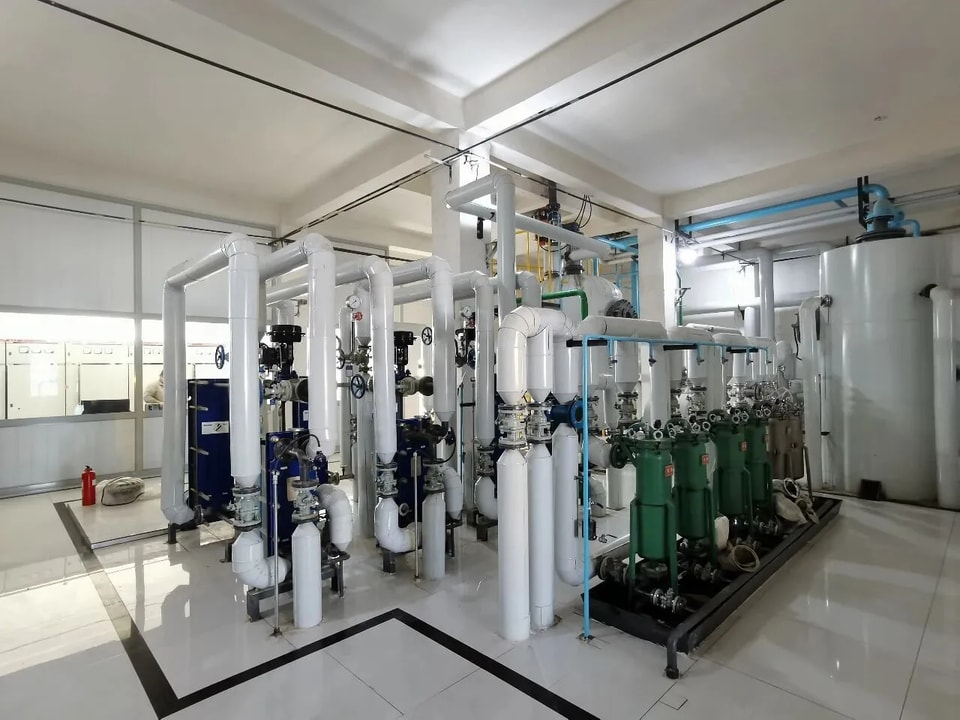
Understanding the Oil Fractionation Production Line: Mechanisms and Benefits
1/10, 2026
Oil fractionation is a pivotal process in the edible oil refining industry, enabling the production of high-value oils tailored for various applications. An oil fractionation production line is designed to efficiently refine and separate oils with different melting points. This advanced system is not just a manufacturing setup; it represents a sophisticated approach to achieving desired qualities in edible oils. At Ocean, we have developed a comprehensive oil fractionation production line solutions are available that support multiple methods, including oil dry fractionation. What is the Oil Fractionation Process? The core of the oil fractionation production line is its ability to crystallize triglycerides present in different oils at controlled temperatures. This crucial step allows us to separate a single raw oil into multiple fractions, each with unique melting points and compositions. Whether it's palm oil, beef tallow, or milk fat, our company utilizes technology that guarantees optimal results for a wide variety of raw materials. Through precise crystallization and solid-liquid separation, we enable producers to achieve edible oils suited for their specific needs. Exploring Dry Fractionation Techniques Oil dry fractionation is one of the most efficient methods within our oil fractionation production line. This technique is particularly beneficial for oils and fats that are easily fractionated, ensuring low costs and reduced processing time. By employing a series of cooling and crystallization steps without the use of solvents, we optimize the purity and stability of the final products. Our specialization in dry fractionation not only enhances oil quality but also creates a more sustainable production environment. Specialization through Customization It is recognized that different raw materials require tailored approaches. Therefore, a flexible oil fractionation production line provides flexibility in terms of process design and configuration. Collaboration between R&D teams and clients to assess specific requirements and adapt processes accordingly is standard practice. This level of customization ensures that diverse needs are met, whether the application involves cocoa butter substitutes or high-purity fish oils. Comprehensive Support for Optimal Operations What sets our oil fractionation production line apart is the comprehensive support we offer throughout the entire lifecycle. From the initial installation and commissioning process to training operators on best practices, we ensure that our clients gain significant value from their investments. Our ongoing technical assistance helps in troubleshooting and optimizing processes, thereby maintaining the efficiency of oil dry fractionation systems. Final Thoughts: A Strategic Investment in Quality Investing in an oil fractionation production line is more than just a choice; it is a strategic decision that influences product quality and market competitiveness. By leveraging the advancements in oil dry fractionation and other techniques offered by Ocean, businesses can refine their processes and deliver superior products to consumers. Our commitment to innovation, customization, and support makes our solutions valuable assets in the ever-evolving edible oil market.
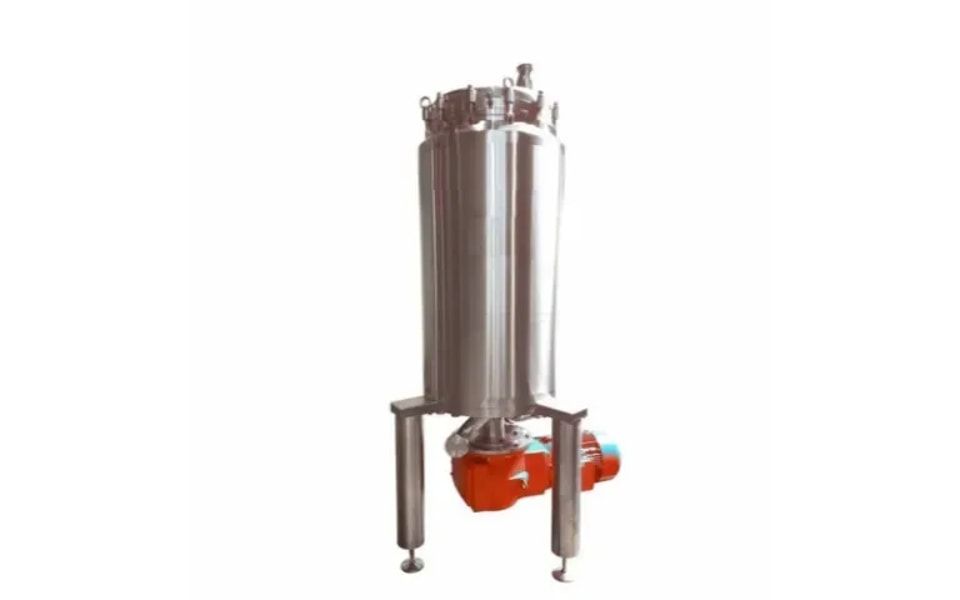
Unlocking Efficient Margarine Production: The Value of Heat Recovery Systems
1/10, 2026
Maximizing efficiency in industrial processes is a critical aspect of any successful food manufacturing business. In the realm of margarine production, implementing innovative technologies, such as heat recovery systems, can substantially increase the overall return on investment (ROI). At Ocean, our fully automated margarine production line and comprehensive turnkey margarine manufacturing plant help businesses not only streamline operations but also maximize their bottom line. By integrating heat recovery solutions, we ensure that our clients can achieve sustainable growth and improved operational efficiency. Emphasizing Sustainability through Heat Recovery The adoption of heat recovery systems in a turnkey margarine manufacturing plant allows for significant energy savings. By capturing and reusing waste heat generated during the production process, companies can reduce their reliance on external energy sources and minimize their carbon footprint. This sustainability focus aligns with the growing demand for environmentally friendly manufacturing practices. Commitment to providing solutions that not only meet production needs but also promote a greener approach to margarine production is a key industry trend. Enhanced Production Efficiency with Ocean Technology Our expertise at Ocean centers on creating a margarine production line that embodies the principles of automation and efficiency. With our advanced systems, the entire production cycle—from raw material blending to packaging—works seamlessly to minimize energy consumption. Incorporating heat recovery into this process allows manufacturers to capitalize on the thermal energy that would otherwise be lost, improving overall throughput. As a result, this enhanced operational efficiency translates directly into better profit margins for our clients. Improving Product Quality Through Temperature Control Temperature regulation is crucial in margarine manufacturing, as it significantly influences the final product’s texture and stability. With a heat recovery system in place, optimal thermal conditions can be maintained throughout the production line. This leads to a superior product that meets consumer expectations for quality and consistency. At Ocean, we understand that producing high-quality margarine not only fosters customer satisfaction but also enhances brand reputation, ensuring long-term success in the competitive food industry. Driving Profitability and Growth with Innovative Solutions Incorporating heat recovery into your margarine production line is not just about immediate operational improvements. It paves the way for sustained profitability and growth. By choosing Ocean as your partner in establishing a turnkey margarine manufacturing plant, you invest in technology that will serve your business for years to come. The returns generated through energy savings, product quality improvements, and enhanced efficiency create a solid foundation for navigating the complexities of the margarine market. Transitioning to such innovative manufacturing practices will undoubtedly position your business for continued success in a rapidly evolving industry.
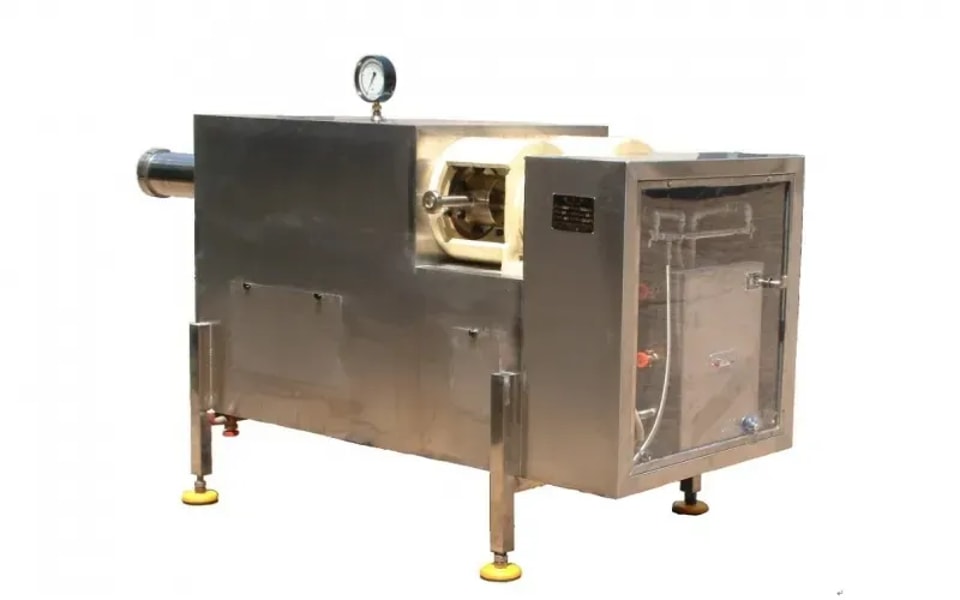
Revolutionizing Plant Protein Processing in Margarine Production
1/10, 2026
The world of food processing holds immense potential, especially when it comes to leveraging plant-based ingredients. Our margarine processing plant at Ocean focuses on converting plant protein byproducts into high-quality margarine, showcasing a sustainable approach in food production. This not only contributes to reducing waste but also enhances the nutritional profile of the final product. By employing advanced technologies, we ensure that our margarine production line operates with superior efficiency while delivering exceptional quality. Sustainable Practices in Our Production Line Sustainability is a fundamental aspect of our operations at Ocean. The margarine production line is designed to minimize waste by effectively utilizing protein byproducts from various plant sources. Instead of discarding these byproducts, they are incorporated into the production stream, adding nutritional value and improving the quality of the margarine. Our automated systems facilitate this process, ensuring every ingredient is optimized for the best results. By doing so, we not only promote ecological responsibility but also offer a product that meets the growing consumer demand for sustainable food options. Technology at the Heart of Margarine Processing The modern margarine processing plant incorporates cutting-edge technologies that enhance production capabilities. We utilize fully automated systems that manage everything from ingredient handling to the final packaging, which significantly reduces the need for manual intervention. The precise control provided by our central system enables us to maintain uniformity and consistency throughout the production process. With machinery such as the Ocean M-3000 emulsifier and the Ocean C-684 cooler, we ensure that every batch of margarine retains the desired properties of flavor and texture, closely resembling traditional butter. A Shift Towards Higher Nutritional Value With our commitment to health and wellness, the margarine production line at Ocean actively emphasizes the incorporation of plant proteins. This approach aligns well with current dietary trends that favor plant-based ingredients. By transforming byproducts into a high-quality margarine, we not only reduce waste but also enhance the nutritional profile of our products. Our margarine serves as a viable alternative packed with essential nutrients, appealing to health-conscious consumers without compromising on flavor or texture. Embracing a Sustainable Future As the industry navigates the complexities of the food industry, our focus remains on creating a responsible margarine processing plant that prioritizes sustainability and efficiency. The innovative methods employed in our production lines not only help in reducing environmental impact but also cater to the changing preferences of consumers. By continuously adapting to new trends and integrating advanced technology, we ensure that Ocean remains at the forefront of producing high-quality margarine that satisfies the market’s evolving needs while supporting a more sustainable food system.
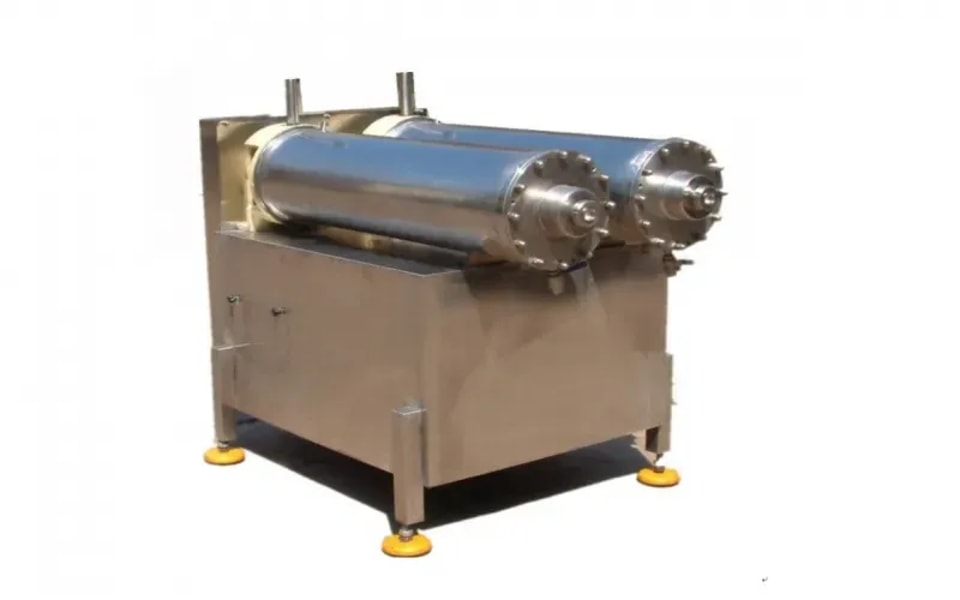
Ensuring Hygiene: Advanced CIP Procedures for Margarine Production
1/10, 2026
In the realm of food production, maintaining cleanliness is pivotal, especially in margarine processing plants where product quality and safety are paramount. Adopting effective CIP (Clean-in-Place) systems is essential for ensuring that equipment remains contaminant-free while maximizing production efficiency. At Ocean, we prioritize the best practices for these systems to enhance hygiene and operational performance in your margarine production line. Importance of Regular Maintenance Implementing a robust maintenance routine is crucial for any margarine processing plant. Regularly scheduled checks and cleaning of equipment not only mitigate contamination risks but also extend the operational lifespan of machinery. Utilizing tools such as our Ocean-approved Scraped Surface Heat Exchangers (SSHE) allows for consistent temperature control while removing residual fats from surfaces effectively. This meticulous maintenance process ensures that your margarine production line operates at peak efficiency, producing high-quality products with an excellent texture and mouthfeel. Tailored CIP Solutions for Every Production Need No two margarine processing plants are identical, and our CIP systems reflect that reality. At Ocean, we specialize in custom-designed cleaning solutions that cater to your specific production requirements. By assessing your existing setup, including equipment like pin worker units that enhance the plasticizing process, we can ensure that every part of your system is effectively cleaned without compromising throughput or quality. Our tailored solutions promote not only sanitation but also operational continuity, enabling you to meet the demands of discerning customers in the premium margins of the market. Training and Operational Support Successful implementation of CIP procedures requires comprehensive training and support for operational staff. Empowering your team with the knowledge necessary to execute cleaning protocols effectively is a fundamental principle. Support should extend beyond installation and commissioning, encompassing ongoing training sessions that emphasize best practices in hygiene and equipment handling. This investment in knowledge enables a margarine processing plant to maintain high standards for cleanliness and product quality, contributing to overall business success. Maintaining Quality Through Continuous Improvement Building a culture of continuous improvement is vital for achieving sustained excellence in margarine production. Implementing best practices for CIP systems doesn’t stop after the initial setup; it’s a commitment to perpetual enhancement. By regularly reviewing and refining cleaning protocols, you ensure that your margarine production line remains compliant with industry standards and meets regulatory requirements. At Ocean, we understand that rigorous hygiene is foundational to your brand's reputation and that consistent product quality is key to customer loyalty. Upholding a Commitment to Cleanliness in Margarine Production Establishing and maintaining effective CIP systems within your margarine processing plant is a critical component of ensuring product safety and quality. By investing in tailored solutions, comprehensive training, and a culture of continuous improvement, your operations can achieve optimal sanitation and efficiency. A strong commitment to supporting the journey towards achieving the highest hygiene standards enhances the capacity to deliver superior margarine products to the market.
Understanding Margarine Processing Regulations and Ensuring Food Safety
1/9, 2026
In the world of margarine production, adhering to processing regulations and food safety standards is paramount. The journey from raw ingredients to a delicious and stable product involves meticulous attention to both legislative requirements and quality assurance. Our margarine processing plant at Ocean meets high industry benchmarks while also remaining highly efficient. With our margarine production line, we ensure an exceptional balance between safety, compliance, and product integrity, reinforcing our commitment to excellence. Navigating Regulatory Frameworks in Margarine Production Regulatory landscapes for margarine production vary significantly by region and can be influenced by factors such as local food safety laws. It’s crucial for manufacturers to familiarize themselves with these regulations to prevent potential legal issues. For instance, the U.S. Food and Drug Administration (FDA) mandates that margarine must contain specific ingredients and be produced under certain conditions. At Ocean, our margarine processing plant is designed to comply with these local and international regulations, ensuring that our end products are not only safe but also of superior quality. Essential Food Safety Practices Food safety practices are vital in ensuring that the end product meets health standards. Our margarine production line employs several protocols, from raw material sourcing to final product packaging, that emphasize hygiene and quality control. For example, our advanced Scraped Surface Heat Exchangers (SSHE) play a crucial role by maintaining uniformity in product texture. This technology minimizes the risk of contamination, allowing us to produce margarine that consistently meets market demands. Adherence to safety measures not only boosts consumer confidence but also protects our brand's integrity. Quality Control Measures in Margarine Production Quality control is a continuous process that begins at ingredient selection and extends through to the final product. Every step in a modern margarine processing plant should be monitored, thanks to integrated systems that track consistency and safety. Innovative solutions, tailored to handle various raw materials, ensure that each batch meets predefined specifications. This attention to detail results in a final product characterized by superior texture, melting points, and mouthfeel, capturing the essence of what today's consumers expect from margarine. Commitment to Excellence in Margarine Production At Ocean, we believe that understanding and adhering to margarine processing regulations is not just about compliance; it is about cultivating a culture of responsibility and excellence. Our comprehensive technical support—spanning installation to operational training—ensures that teams are equipped to maintain high standards of food safety and integrity in the production process. By continuously investing in technology and workforce capabilities, we guarantee that our margarine production line remains a benchmark for quality and safety in the industry. Through these efforts, we are proud to contribute to a healthier, safer food environment for all.
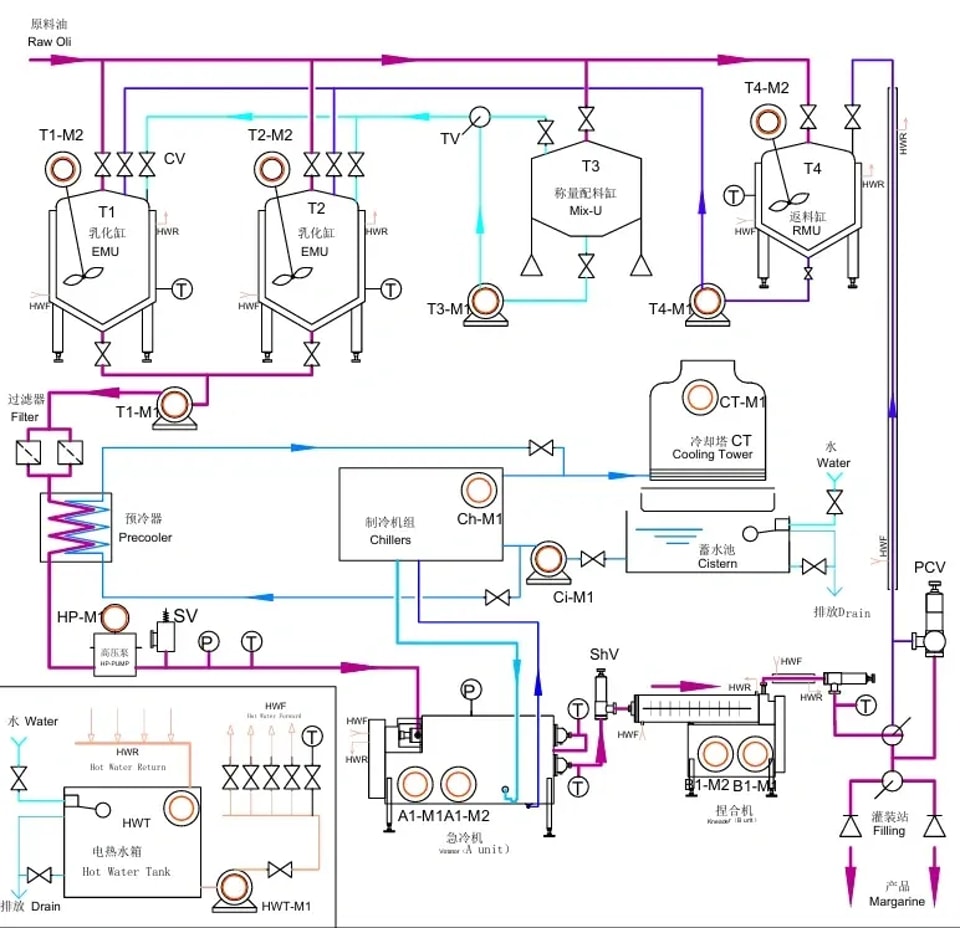
The Role of Margarine Production Plants in Enhancing Bakery Products
1/8, 2026
In the dynamic and quality-driven bakery industry, the demand for superior, application-specific fats is soaring. Beyond commodity margarine, success hinges on the ability to produce tailored, high-performance shortenings and margarines that define the texture, mouthfeel, and shelf-life of premium baked goods. Ocean’s state-of-the-art Margarine & Shortening Production Lines are engineered to provide manufacturers with precisely this capability—transforming raw materials into a competitive portfolio of high-value fat products. Core Technology: Precision Engineering for Unmatched Product QualityThe functional performance of margarine—its plasticity, melting profile, and crystal stability—is dictated by its fat crystal network. Ocean’s production lines excel through precise control over this critical structure. Our integrated systems feature: · Advanced Scraped Surface Heat Exchangers (Votators): Ensure rapid, uniform cooling and nucleation, promoting the formation of the fine, stable beta-prime crystals essential for smooth texture and excellent creaming properties. · High-Intensity Pin Workers & Resting Tubes: Provide controlled kneading and crystallization time, allowing for perfect crystal maturation and the development of optimal plasticity and workability for layering in pastries or spreading. · Recipe & Process Automation: A centralized PLC system allows for exact, repeatable control over every parameter—from cooling temperatures and pressures to throughput and emulsifier dosing—guaranteeing batch-to-batch consistency for your most complex specialty formulas. Beyond Commodity: Customization as StandardWe understand that a one-size-fits-all approach fails in the specialty fats market. An Ocean line is not just a machine; it’s a configurable production platform. We collaborate with you to design a system capable of producing your target product mix, whether it’s: · High-stability roll-in margarines for flaky croissants and Danish pastries. · All-purpose cake and icing shortenings with high air entrapment. · Puff pastry margarines with specific melting points and elasticity. · Health-oriented spreads with reduced saturated fat or added functional ingredients. This flexibility enables you to capture niche markets and command premium pricing. Operational Excellence: Scalable Efficiency for ProfitabilityProfitability is engineered into the line’s operation. Designed for capacities from 1 to 200 TPD, our plants are built for: · Rapid Product Changeover: Modular design and CIP (Clean-in-Place) systems minimize downtime between batches, supporting efficient small-lot production. · Energy & Resource Optimization: Efficient thermal exchange and precise dosing reduce steam consumption and raw material waste, directly lowering your cost per ton. · Reliable, High Uptime: Robust components and intelligent monitoring systems ensure continuous, trouble-free operation, protecting your output and delivery commitments. A Partnership for Market LeadershipChoosing Ocean means more than purchasing equipment. It’s a partnership for building market-ready capabilities. From initial process design and factory layout to installation, commissioning, and operator training, our comprehensive support ensures your team is empowered to excel. We provide the technological edge to not only meet today’s bakery demands but to innovate for tomorrow’s trends. Invest in an Ocean Margarine Production Line to move beyond simple fat production. Equip your business with the advanced, flexible manufacturing platform needed to become a leader in the high-margin specialty fats sector, turning sophisticated formulations into consistent, market-winning products.
Ensuring Efficiency in Margarine Production: Best Practices
1/8, 2026
Managing a margarine processing plant requires a strategic approach to optimize production efficiency and ensure consistent product quality. It is recognized that fine crystal formation is crucial in margarine production, as it can significantly affect texture and customer satisfaction. The integration of the right technologies and processes is essential in achieving these goals. To achieve optimal fine crystal formation, it is imperative to implement advanced cooling and emulsification techniques, along with precise temperature control, which collectively enhance the consistency of the final product while minimizing waste and energy consumption throughout the manufacturing process. The Importance of Controlled Cooling Systems In any margarine production line, cooling plays a key role. Effective cooling processes promote the formation of fine crystals, which is crucial for achieving the desired texture in margarine. This is where our innovative Ocean Votator comes into play. It offers rapid and precise cooling, effectively mitigating the risks associated with large fat crystals that can lead to unpleasant textures. Utilizing the Ocean system not only enhances the quality of the margarine but also streamlines operations within the margarine processing plant, ensuring an efficient production cycle. Regular Maintenance for Consistent Performance Maintaining the equipment within the margarine production line is vital for ensuring that production remains uninterrupted. Scheduled maintenance on machines like the Ocean Votator ensures that they operate at their best, reducing the risk of failures. Additionally, regular checks can prevent costly downtime that could affect overall productivity and product quality. By focusing on maintenance, our team can keep processing plants operating smoothly, supporting consistent margarine production. Training and Skills Development Investing in the skills of the workforce is equally important for maximizing the potential of the margarine processing plant. Properly trained staff can identify problems early, ensuring that any issues with equipment are resolved swiftly. Training programs also enhance understanding of the margarine production process, fostering an environment where quality is prioritized. A commitment to workforce development supports overall operational excellence, enabling efficient production and high-quality margarine. Elevating Production Standards Effective management of a margarine processing plant hinges on several key factors: integrating advanced cooling systems, maintaining equipment through regular checks, and investing in workforce training. By focusing on these areas, we can ensure that our margarine production line continues to meet industry standards while providing high-quality products that satisfy consumer expectations. Emphasizing these practices not only keeps our operations efficient but also fortifies our reputation in the market. With Ocean’s commitment to innovation and quality, we are excited to see what the future holds for our margarine production endeavors.
Innovations in Margarine Processing: The Ocean Advantage
1/8, 2026
In the competitive landscape of the food industry, the efficiency and quality of a margarine production line can significantly impact a business's success. There is a clear demand for modernized processing solutions that cater to a variety of customer preferences. Innovative margarine processing plants are tailored to meet these requirements, utilizing advanced technologies and high-quality raw materials. By integrating cutting-edge automation and sustainable practices, our margarine production lines not only enhance operational efficiency but also ensure consistent product quality, allowing businesses to stay ahead in a rapidly evolving market while meeting the diverse tastes and dietary needs of consumers. Versatility of Ingredient Options A modern margarine production line is specifically designed to process a diverse range of vegetable oils and animal fats. Customers can choose from a variety of base oils, including rapeseed oil, sunflower oil, and even specialty oils like olive or grape seed oil. The flexibility in ingredient selection enables businesses to cater to varying market demands, whether for healthier alternatives or traditional recipes. Advanced processing plants can handle animal fats as well, ensuring a wide scope of applications across the industry. Tailored Solutions for Quality and Consistency Achieving a consistent product texture, flavor, and stability is vital in the margarine industry. Our margarine processing plants incorporate advanced emulsifiers, defoamers, and flavoring agents that allow manufacturers to create tailored margarine products that meet specific market needs. Ocean engineers focus on optimizing formulations that enhance mouthfeel while minimizing undesirable characteristics. Not only does this lead to a superior end product, but it also ensures reliable outcomes with every batch, thus increasing customer satisfaction. Streamlined Operations for Increased Productivity Efficiency plays a critical role in any production environment. Streamlined operations within a margarine production line are a priority. State-of-the-art systems are engineered to minimize waste and maximize throughput. Automated processes reduce manual oversight, allowing for quicker adjustments during production. With features such as real-time monitoring and easy integration with existing systems, manufacturers are equipped with the tools they need to increase productivity and stay ahead of the competition. Elevating Your Production Capabilities Investing in a high-quality margarine processing plant from Ocean can transform your production capabilities. By offering versatility in raw material options, tailored solutions for consistency, and streamlined operations for productivity, businesses are positioned to thrive in a constantly evolving market. A comprehensive approach ensures that each client not only meets but exceeds their production goals, fostering growth and sustainability in their operations. Partnering with a dedicated team that understands the nuances of margarine production is key to delivering exceptional results.
Understanding the Avocado Oil Refining Line: A Gateway to Quality
1/8, 2026
In the competitive realm of edible oils, avocado oil stands apart, demanding a refining process as unique as its health profile—rich in monounsaturated fats and antioxidants. At Ocean, we have pioneered specialized avocado oil refining lines that master these intricacies. With a proven track record in projects ranging from 10 to 100 TPD, we possess the deep expertise required to transform premium raw material into a final product that meets the highest standards of purity, stability, and nutrient retention. Preserving Integrity from Start to FinishThe paramount goal in refining avocado oil is to safeguard its valuable nutrients. Ocean's refining line achieves this through meticulously controlled processes. We employ gentle, low-temperature deodorization and optimized short-residence-time techniques in key stages to minimize thermal degradation of heat-sensitive antioxidants and vitamins. Our systems are engineered to remove impurities and off-flavors while actively preserving the oil's natural health benefits and delicate flavor profile from crude oil to finished product. Fully Customized for Avocado's Unique DemandsNo two avocado varieties or batches are identical. Ocean's solution is built on complete customization. We analyze your specific feedstock—considering factors like fatty acid composition, natural wax content, and initial FFA levels—to tailor every aspect of the line. This includes precise adjustments to degumming parameters, bleaching earth selection, and deodorization temperature profiles. Whether for a compact 10 TPD boutique operation or a 100 TPD large-scale plant, we deliver a configuration engineered for your oil's unique characteristics and your target market quality. Beyond Installation: Partnership for Lifelong SuccessInvesting in an avocado oil line is a long-term commitment. Ocean's partnership begins with installation and extends across the entire equipment lifecycle. We provide comprehensive operator training, detailed maintenance protocols, and readily available spare parts. Our remote technical support and proactive service plans are designed to maximize your uptime, ensure consistent quality, and protect your operational efficiency, turning a capital investment into a enduring source of competitive advantage. Unlocking Market Potential with ConfidenceThe market for high-quality avocado oil is expanding. Partnering with Ocean provides the strategic foundation to capture this opportunity with confidence. Our combination of nutrient-focused refining technology, bespoke engineering, and unwavering support ensures you can reliably produce a superior product. We empower you to not only meet current demand but also to build a reputable brand in the premium edible oil segment, maximizing both quality and profitability from your refining endeavors.
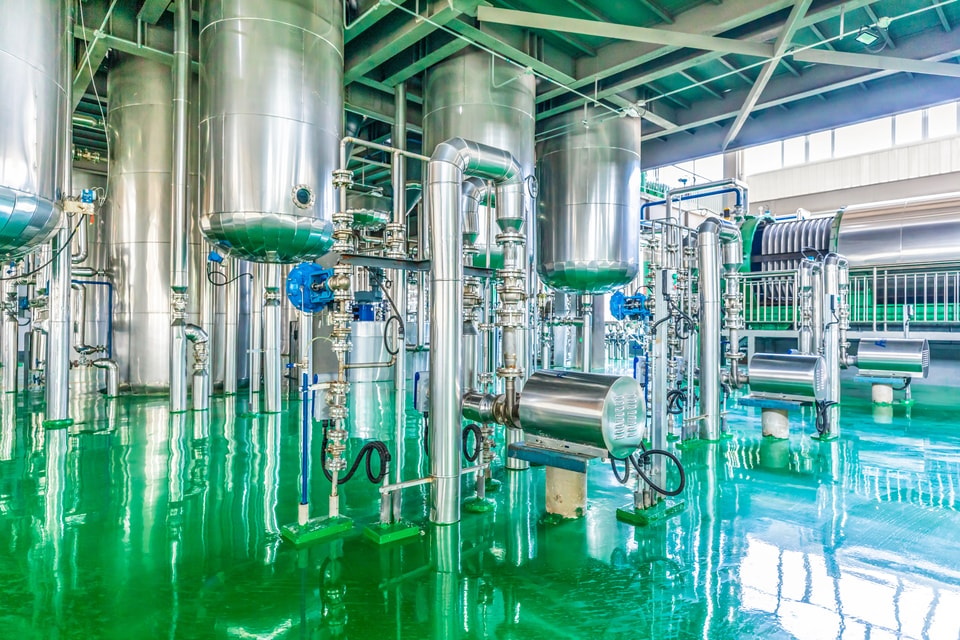
The Essential Degumming Guide: Exploring Water, Acid, and Enzymatic Techniques
1/7, 2026
Degumming is a crucial process in the edible oil refining line that helps improve oil clarity and quality. At Ocean, we specialize in edible oil refinery machinery utilizes diverse degumming methods, including water, acid, and enzymatic techniques. Each process contributes uniquely to the improvement of oil characteristics, making them suitable for various culinary uses. Understanding these methods is essential for maximizing efficiency in oil production and ensuring that customers receive high-quality edible oils. Water and Acid Degumming: Traditional Approaches Water degumming involves the addition of water to crude oil, which hydrates the phospholipids and makes them easier to separate. This method is simple and cost-effective, yet it may not remove phospholipid content completely. Acid degumming, on the other hand, uses an acid, typically phosphoric acid, to promote more effective degumming. This method not only reduces phospholipid levels but also improves oil quality by allowing for better later stages of refining. While these approaches are widely used, they may not achieve the low phospholipid levels required in some high-quality edible oils. Enzymatic Degumming: A Modern Alternative Cutting-edge enzymatic degumming technology can effectively lower phospholipid content from 560 ppm to below 30 ppm. This process ensures smoother downstream processing and enhances the overall quality of the oil. By incorporating enzymes, a more environmentally-friendly option that maintains high efficiency is provided. Using our edible oil refining line, we eliminate the need for harsh chemicals, preserving the natural attributes of the oil while supporting the goal of sustainability in food manufacturing. Comparing the Techniques: Choosing the Best for Your Needs Each degumming method has its unique advantages and limitations. Water and acid methods are often easier to implement and may align with specific production workflows. However, for those focused on quality and sustainability, enzymatic degumming stands out as a modern solution that enhances oil clarity and longevity without compromising safety or environmental standards. When selecting edible oil refinery machinery, access to a comprehensive solution that supports both quality improvement and operational efficiency is key. Navigating the Future of Edible Oil Refining In the ever-evolving landscape of the edible oil industry, selecting the appropriate degumming method is vital. Our team at Ocean is committed to providing innovative solutions that align with industry standards and consumer preferences. Whether you opt for traditional water and acid methods or advanced enzymatic techniques, the right choice can significantly elevate your product's quality. Our edible oil refining line is designed to accommodate various methods, empowering manufacturers to produce superior oils that delight consumers. We believe that continuous improvement and adopting advanced technologies will pave the way for a successful future in edible oil refining.
Meeting Global Food Quality Standards with Modern Refining Solutions
1/7, 2026
In today’s competitive market, ensuring food quality and safety has become paramount for edible oil producers. Modern edible oil refining lines play a critical role in achieving compliance with stringent EU and US food quality standards. By adopting innovative technologies and systems, manufacturers can enhance the purity and safety of their products, ensuring consumer satisfaction and regulatory compliance. Tailored Technologies for Varied Raw Materials It is understood that every type of oil presents unique processing challenges. Modern edible oil refinery machinery is designed to accommodate this diversity, efficiently processing oils such as soybean, sunflower, and palm oil. Through customization, refining lines can be configured to meet specific raw material requirements and production goals. For example, a refining line for soybean oil can be optimally arranged to enhance the extraction of essential nutrients while reducing impurities. This tailored approach not only meets food safety regulations but also amplifies the nutritional profile of the final product. Strength through Research and Development Ocean prides itself on its strong commitment to innovation. Driven by in-house R&D and over 70 national patents, we develop advanced refining technologies that ensure superior oil quality and process consistency. This technological edge was directly applied in the Sinograin (Chengdu) 450TPD Oil Refining Project, where our proprietary systems delivered performance that meets the highest modern standards. Furthermore, our collaborative research with institutions like Henan University of Technology enables the continuous refinement of processing techniques, ensuring our solutions not only meet but exceed evolving safety and quality regulations. Comprehensive Support for Long-Term Success At Ocean, we understand that delivering a high-performance refining line is only the beginning. Our commitment extends far beyond installation, encompassing a full spectrum of lifecycle support designed to ensure your long-term operational excellence, compliance, and profitability. Our support is built on three pillars: · Innovation-Driven Process Optimization: Your plant is backed by our continuous R&D efforts and extensive patent portfolio. We don't just deliver a standard solution; we provide ongoing access to process refinements and technological upgrades. This ensures your operations remain efficient, produce consistent, high-quality oil, and can adapt to new market standards. · Proactive Maintenance & Remote Expertise: We move beyond reactive repairs. Our package includes scheduled maintenance plans, remote monitoring capabilities, and a guaranteed supply of genuine spare parts. Our technical team is available for rapid troubleshooting and performance optimization, minimizing unplanned downtime and protecting your investment's productivity for years to come. · Regulatory Foresight & Partnership: Navigating the evolving landscape of food safety and environmental regulations is a complex challenge. Through our collaborative research with institutions like Henan University of Technology, we stay at the forefront of industry standards. We provide guidance and necessary upgrades to help your facility not only meet today's regulations but also confidently anticipate future compliance requirements. With Ocean as your partner, you gain more than equipment; you secure a resilient, future-ready operation built for sustained success. Commitment to Excellence in Oil Refining The demand for high-quality edible oils continues to increase globally, and producers must adapt to remain competitive. Ocean stands as a partner committed to delivering effective solutions through our cutting-edge edible oil refining lines and unwavering support. Our focus on innovation, customization, and comprehensive service demonstrates our resolve to not only meet but exceed food safety standards. Unwavering Focus on Quality As the edible oil industry evolves, the emphasis on high quality and safety will only intensify. Our team at Ocean is well-equipped to assist our clients in achieving these goals. The benefits of our advanced edible oil refinery machinery are clear; they empower producers to transform raw materials into high-quality cooking oils that meet market demands. As we continue to innovate and refine our processes, we are dedicated to maintaining excellence in every aspect of our operations.
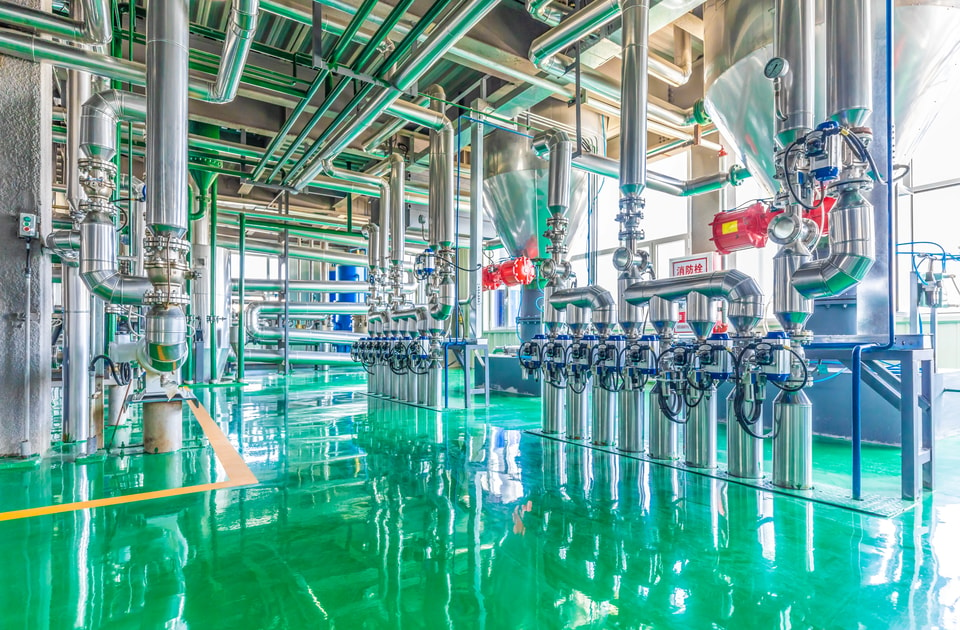
Choosing the Right Bleaching Method for Optimal Oil Quality
1/7, 2026
In the world of edible oil refinery machinery, achieving superior oil quality is paramount for both manufacturers and consumers alike. Among the crucial stages of refining, bleaching plays a significant role in ensuring that oils are color-stable and visually appealing. At Ocean, we explore the key differences between natural earth and activated bleaching earth for color removal in the edible oil refining line. This decision affects the final product's visual appeal and safety, so understanding these methods is essential. Natural Earth: Eco-Friendly Option for Color Removal The use of natural earth in the refining process typically aligns with sustainable practices. This method utilizes bleaching earth sourced and processed from natural environments to absorb unwanted pigments and contaminants in crude oil. Implementing natural earth in our edible oil refinery machinery not only offers an effective means of clarifying oil but also reduces the introduction of synthetic chemicals in the refining process. This not only enhances oil quality but aligns with the growing trend toward eco-conscious production, ensuring our operations are in line with market demands for greener practices. Activated Bleaching Earth: Effective and Efficient In contrast, activated bleaching earth employs a technology that involves treating natural bleaching earth with acids or other chemicals to enhance its oil-absorbing properties. This option is known for its superior performance in removing color and impurities, making it a popular choice among many refiners. When using activated bleaching earth in our edible oil refining line, we typically observe significant improvements in oil color, as well as reductions in free fatty acids. The efficiency of this method allows for a quicker processing time while meeting quality standards, essential for high-volume operations. Balancing Quality and Cost-Effectiveness When selecting between natural earth and activated bleaching earth, it’s vital to consider not only the quality of the final product but also cost-effectiveness. Both options have their unique merits, and often the right choice depends on the specific operational requirements of the refinery. While natural earth is more environmentally friendly and may require less processing equipment, activated bleaching earth can provide a higher level of discoloration removal, ensuring the oil meets stringent market standards. At Ocean, we evaluate these factors before deciding which method suits our refining line best, aiming for a balance of quality and cost-efficiency. Optimizing the Refining Process for the Best Results Regardless of the bleaching method chosen, optimizing the refining process is crucial. Innovations in our edible oil refinery machinery incorporate advanced techniques and technologies that enhance each stage, from enzymatic degumming to deodorization. We continuously improve our operations by adopting the latest technologies, such as Waste Heat Recovery and Automatic Bleaching Earth Addition. These advancements ensure that our edible oil refining line operates smoothly and maximizes product quality while minimizing environmental impact. Embracing the Future of Oil Refining In the realm of edible oil processing, understanding the various bleaching technologies is fundamental to enhancing oil quality. By carefully selecting between natural earth and activated bleaching earth, refiners can achieve significant improvements in oil clarity and stability. At Ocean, our commitment to innovation and sustainability drives us to explore and implement the most effective methods in our edible oil refinery machinery. Ultimately, the goal remains consistent: delivering exceptional quality oils that meet consumer standards while promoting responsible manufacturing practices.
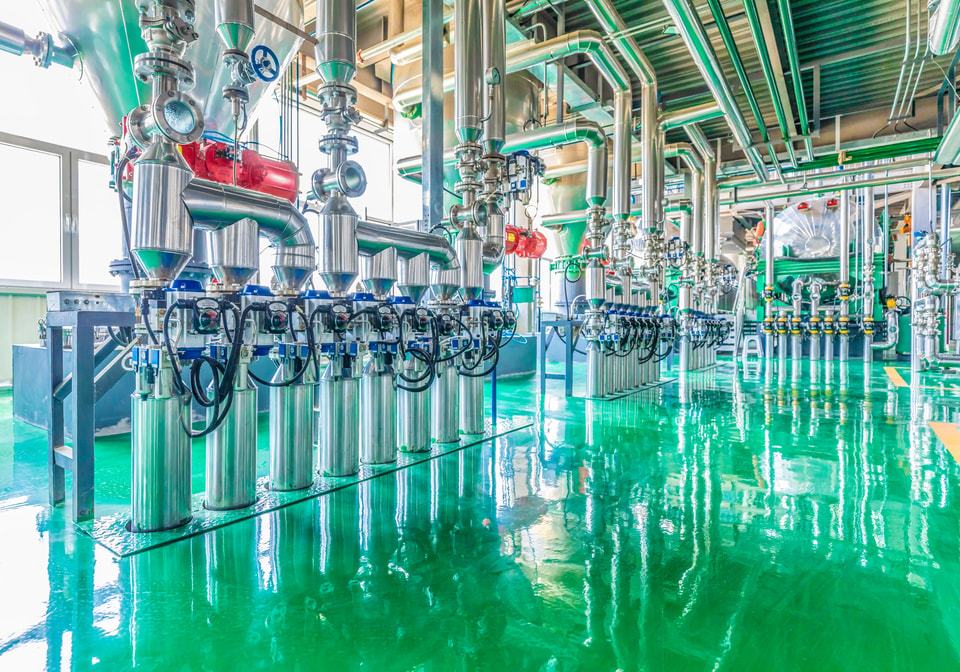
The Significance of Oil Refining Plants in the Global Food Industry
1/7, 2026
The importance of refining plants cannot be overstated in today's global food and oil industry. These facilities are essential for transforming raw edible oils into refined products that are safe and suitable for consumption. Our edible oil refinery machinery is integral in this process, ensuring the removal of impurities and enhancing oil quality. By utilizing advanced technologies, we can provide solutions tailored to different types of crude oils, meeting diverse market demands while prioritizing nutritional value and safety. Among the edible oil refinery plant suppliers, we at Ocean are committed to innovation and efficiency. Enhancing Oil Quality through Advanced Refining Techniques Refining plants employ various processes such as degumming, deacidification, and deodorization. Each step is crucial in minimizing undesirable attributes in oils and maximizing quality. For instance, fully automatic continuous refining systems with capacities ranging from 5 to 1,500 TPD enable effective addressing of the unique requirements of each oil type. This ensures a consistent product that adheres to high-quality standards. Without proper edible oil refinery machinery, the resulting oils would not possess the desirable attributes that consumers expect, making these methods vital to industry success. Creating Value from By-products: Phospholipid RecoveryHigh-phospholipid crude oils, such as soybean and peanut oil, are rich in nutritionally valuable phospholipids like phosphatidylcholine and phosphatidylserine. These compounds serve as excellent natural emulsifiers with significant benefits for both food and health supplement applications. At Ocean, our advanced specialized degumming and phospholipid recovery systems are integrated into the refining line. This technology efficiently separates these valuable components from the oil, converting them into high-purity, food-grade or feed-grade lecithin. This process not only produces a premium refined oil but also transforms a by-product stream into a significant source of added profit, meeting the growing global demand for natural, functional ingredients. Efficiency and Sustainability in Oil Refining We understand the importance of efficiency and sustainability in the production processes of oil refining. Our systems minimize waste by converting by-products like soybean lecithin into valuable products for both food and feed industries. This approach significantly enhances profit margins and aligns with the global movement toward sustainable practices. The integration of dedicated phospholipid recovery systems makes our offerings unique among edible oil refinery plant suppliers, contributing positively to the environmental goals of our clients. A Commitment to Excellence in Refining Solutions Refining plants play a pivotal role in the global food and oil industry. Their ability to enhance oil quality, retain nutritional value, and promote sustainability ultimately ensures a reliable supply of safe food products. Our commitment at Ocean to deliver advanced edible oil refinery machinery is unwavering. We strive to empower businesses with the tools necessary to succeed in a competitive market. As we advance, we continue to prioritize innovation and quality, ensuring our clients receive nothing short of excellence in their oil refining processes.
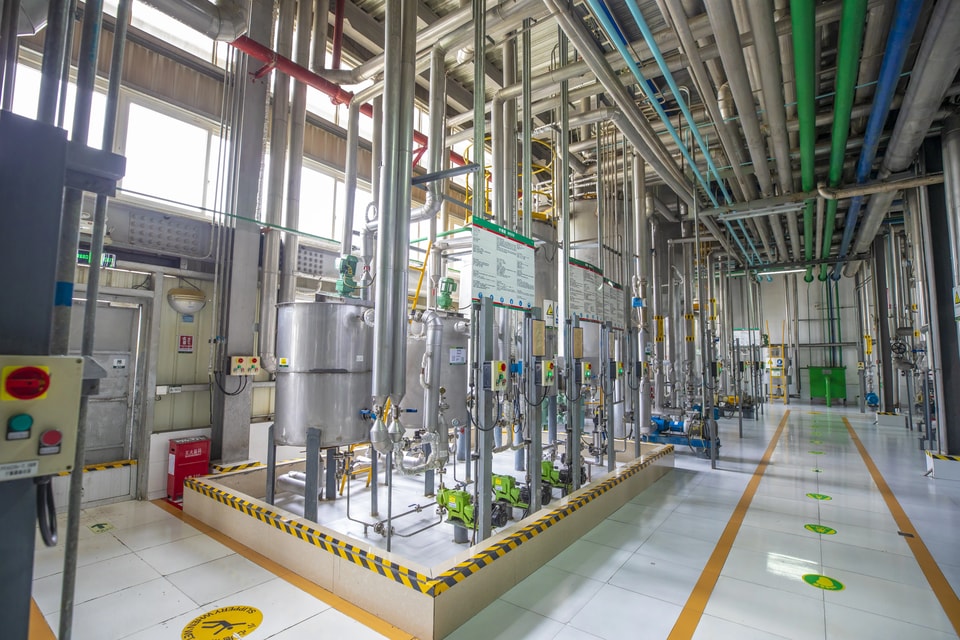
Optimizing Performance in Oil Processing Plants
1/6, 2026
Maximizing efficiency in an oil manufacturing plant is crucial for delivering high-quality products and maintaining profitability. As experts in oil production lines, we at Ocean understand the complexities involved in running an effective oil processing plant. Our wealth of experience and knowledge enables us to guide operators and managers through best practices designed to optimize operations. Understanding Equipment Maintenance Routine maintenance forms the backbone of an efficient oil processing plant. The importance of regularly scheduled checks on critical equipment such as separators, refiners, and heat exchangers cannot be overstated. Regular inspections not only help to identify potential issues early but also extend the lifecycle of the machinery. For instance, integrating advanced technology like predictive maintenance solutions can allow for better data analysis, enabling operators to preemptively address problems before they lead to equipment failure. By prioritizing maintenance, the reliability of the plant is significantly enhanced. Implementing Quality Control Protocols Our commitment to adherence to standards is reflected in our ISO 9001 and CE certifications. Quality control systems are essential in any oil manufacturing plant to ensure that the products meet both customer expectations and regulatory guidelines. Implementing stringent testing protocols at every stage of production—ranging from raw material evaluation to final product inspection—ensures consistent quality. At Ocean, we develop tailored quality assurance strategies that monitor the processes in place while enabling flexibility to adapt to changes in market demand. Streamlining Operations Through Technology Incorporating innovative technologies plays a pivotal role in improving the efficiency of oil processing plants. For instance, utilizing sophisticated software for operational management can streamline processes, reduce waste, and minimize downtime. Cutting-edge technology can enhance the refining of waste oil for biodiesel production and the hydrotreatment of waste to produce sustainable aviation fuel. By leveraging our technology, operators can optimize their processes, resulting in higher yields and lower operational costs. Ensuring Sustainable Practices As the global market shifts toward sustainability, it's crucial for oil manufacturing plants to adopt eco-friendly practices. Ocean's ventures into pollution-free utilization of byproducts like soapstock from oil refining underline our commitment to sustainable solutions. Implementing sustainable practices not only meets regulatory requirements but also appeals to an increasingly eco-conscious consumer base. By focusing on sustainability, we help our partners future-proof their operations while contributing positively to the environment. Elevate Your Operations with Ocean Embracing the complexities of running an oil processing plant requires an effective strategy encompassing maintenance, quality control, technology, and sustainability. At Ocean, we offer customized, comprehensive solutions that cater to the unique needs of each client. Partnering with our expert team guarantees that your plant not only meets today’s operational demands but is well-positioned for future success. Through collaboration and innovation, we strive to elevate your operations to new heights, ensuring lasting productivity and profitability in an evolving market landscape.
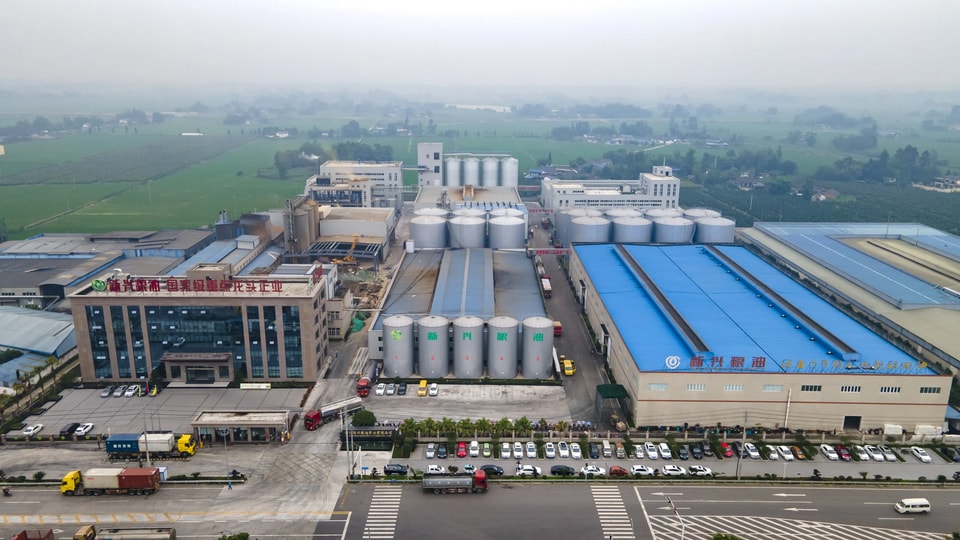
Optimizing Waste Management in Oil Processing: Innovations in Bleaching Earth and Soapstock Treatment
1/6, 2026
In the world of oil processing, maximizing efficiency and reducing waste are paramount. Our approach at Ocean to create eco-friendly solutions has led us to develop advanced treatment technologies specifically designed for managing spent bleaching earth and soapstock generated during oil refining. By integrating these innovations into our oil manufacturing plants, we ensure not only operational efficiency but also a commitment to sustainability. Tailored Solutions for Spent Bleaching Earth Treatment At Ocean, we recognize that oil processing plants often grapple with managing the byproducts of oil extraction and refining processes, particularly spent bleaching earth. This material can pose significant ecological challenges if not handled properly. Our technology enhances the treatment of spent bleaching earth, allowing it to be reused or repurposed. By optimizing the filtration process and using specialized machinery designed for this purpose, we reduce the environmental impact associated with disposing of spent materials. The result is a cleaner process that aligns with our goal of zero waste. Efficient and Eco-Friendly Soapstock Treatment Technology Soapstock, a high-moisture byproduct generated during the oil chemical refining process, presents significant challenges for disposal and environmental compliance. Ocean has developed a proprietary, eco-friendly and pollution-free Soapstock Utilization Technology that transforms this waste into valuable resources, ensuring a closed-loop, sustainable production cycle. Our patented process utilizes small molecule organic acids to react with soapstock under normal temperature and pressure. This safe and reliable reaction produces acidified oil (upper layer) and an aqueous solution containing organic acid salts (lower layer). The acidified oil is further refined into high-quality biodiesel or lipid chemical raw materials, with key specifications such as Acid Value ≥120 mgKOH/g. The aqueous phase is neutralized and can be concentrated to produce liquid sodium acetate (content ≥20%), a highly effective carbon source favored by wastewater treatment plants. This technology delivers decisive advantages by directly converting a costly waste stream into a profitable revenue source. By processing soapstock in-house, producers can generate significant additional profit, while simultaneously eliminating environmental risks and supply chain dependencies associated with third-party disposal. Proven in commercial applications and backed by numerous national patents, Ocean's solution ensures full resource utilization, regulatory compliance, and enhanced operational security. Revolutionizing Waste Reduction Strategies The commitment to sustainability and efficiency goes beyond just treating individual waste products. At Ocean, we believe in holistic waste reduction strategies that are integrated into our oil processing plants. By employing methods like waste heat recovery and water wash recycling, we optimize the entire production line. These cutting-edge techniques ensure that we minimize resource consumption while maximizing output. The synergy of these processes contributes to a more resource-efficient operation that supports our zero-waste objectives. Striving for a Sustainable Future The future of oil processing lies in innovation that prioritizes sustainability. Ocean is dedicated to embedding environmentally-friendly technologies into our oil manufacturing plants. Our comprehensive waste management strategies not only enhance operational efficiency but also pave the way for a greener industry. By committing to advanced treatment of spent bleaching earth and soapstock, we aim to set a benchmark for reduced waste in oil processing. At Ocean, we envision a future where our commitment to sustainability reshapes the landscape of oil production.
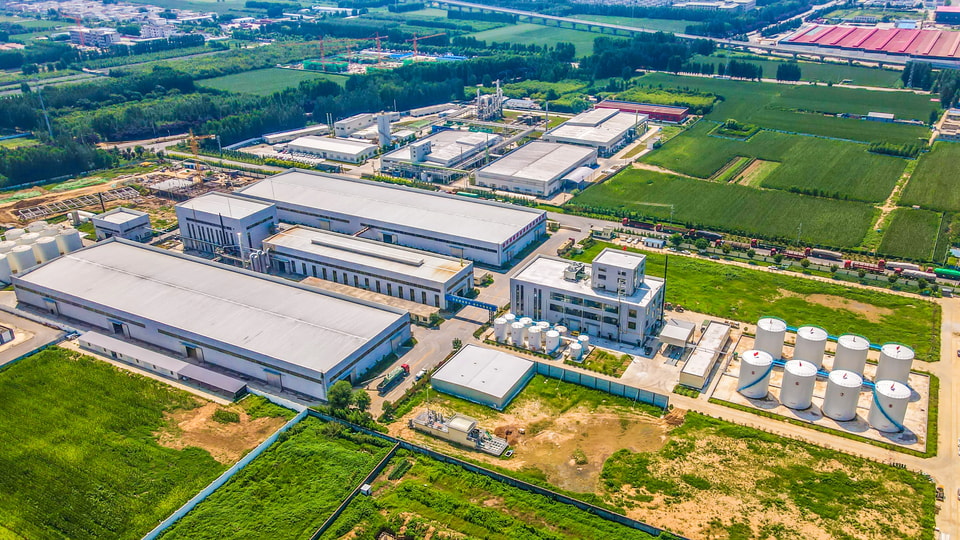
Navigating Oil Processing Plant Compliance and Certification
1/6, 2026
Understanding the complexities of regulations and certifications in the oil processing industry is essential for ensuring smooth operations and enhancing product quality. Operators must often navigate a myriad of compliance standards set forth by local and international governing bodies. These standards pertain to both food safety and environmental impact, which are crucial when working with an oil manufacturing plant. By adhering to these guidelines, we not only enhance operational efficiency but also contribute to sustainable industry practices. Key Compliance Regulations Each region has specific regulations that govern oil production activities to guarantee food safety and environmental protection. Regulations may cover aspects such as production processes, health guidelines, and waste disposal standards. In oil processing plants, compliance with local and international regulations must be built into every stage of production. Every facility we design and build is meticulously planned to meet standards such as the FDA regulations in the United States or the European Union’s EFSA guidelines. By prioritizing compliance, our clients can maintain market access and build consumer trust. Importance of CE Certification CE Certification is a pivotal requirement in many regions, especially in the European market. This certification assures clients and consumers that our oil processing plants meet high safety and environmental standards. Obtaining CE Certification involves rigorous testing and assessment of our oil manufacturing plant equipment and processes. This certification serves as a mark of quality and reliability, which can set products apart. Diligent work to ensure adherence to necessary guidelines helps streamline the certification process for operators. Implementing Energy-Efficient Solutions Government incentives aimed at promoting energy efficiency have made it more crucial than ever for oil processing plants to integrate sustainable practices. Commitment to providing energy-saving technologies such as Waste Heat Recovery and Water Wash Recycling Technology is key. Implementing these methods not only aligns with regulatory requirements but also leads to cost savings that can be reinvested back into the business. By adopting advanced energy-saving techniques, we empower our clients to minimize their environmental impact while maximizing their operational capabilities. Embracing Future Regulations The landscape of regulations concerning oil production is constantly evolving. Industry developments often lead to new compliance requirements, making it essential for oil processors to stay informed and adaptable. Our commitment at Ocean is not just about meeting the minimum standards but also anticipating future regulations, enabling our clients to build resilient, future-proof operations. We strive to provide ongoing support to ensure our oil manufacturing plant solutions adapt to changing regulations, ultimately helping clients succeed in a dynamic market.
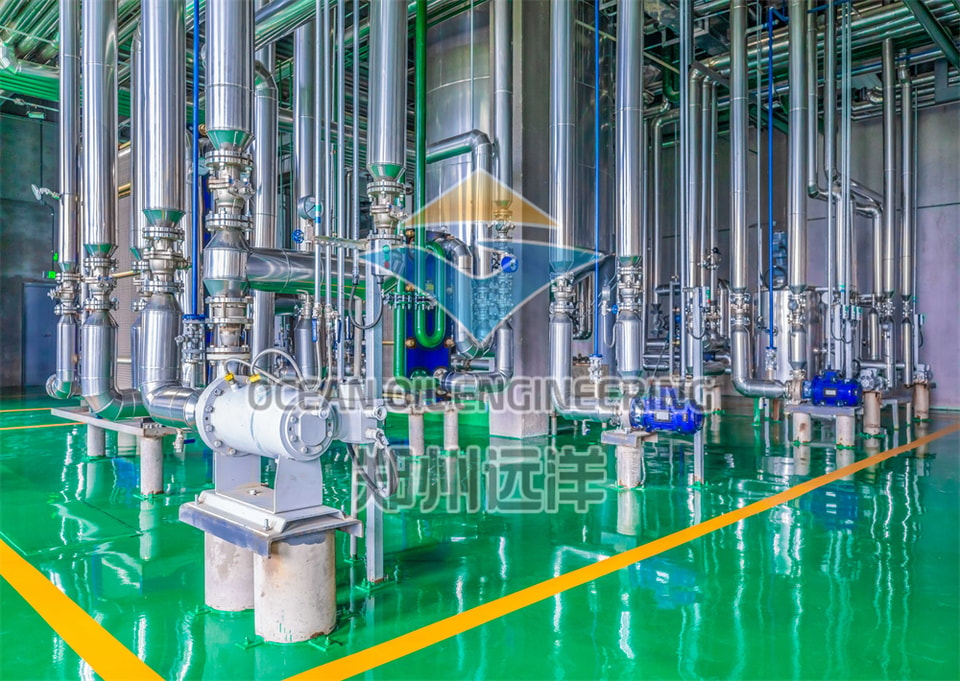
Innovations in Edible Oil Refining: Paving the Way for Sustainability
1/6, 2026
The edible oil industry is witnessing a transformative shift characterized by innovative approaches and sustainable practices. There is a critical need for more efficient and environmentally friendly solutions in oil manufacturing plants. This transformation is driven by our commitment to pioneering technologies that reduce waste and leverage sustainable resources. With the rise of consumer awareness regarding health and environmental impact, the oil processing plants of the future must adapt to these demands. Technical Advancement 1: Preserving Nutrition with Enzymatic Deep Degumming and VE EnrichmentTraditional degumming methods can lead to the loss of valuable micronutrients. Our innovative Enzymatic Deep Degumming Technology selectively and efficiently reduces phospholipid content to below 30 ppm, ensuring superior oil stability for downstream processing while being gentler on the oil. More importantly, this precision allows for the effective recovery and Enrichment of Vitamin E (VE) and other natural antioxidants during the refining process. Instead of stripping them away, we concentrate these health-beneficial components, resulting in refined oils with enhanced nutritional profiles and improved oxidative stability, meeting the demand for functionally optimized and health-conscious edible oils. Technical Advancement 2: Achieving Zero Trans Fats and Superior Quality with Advanced DeodorizationConsumer health concerns regarding trans fats are paramount. Our Zero Trans Fatty Acid Technology, integrated into our Dual-tower & Dual-temperature Segmented Deodorization System, ensures that the final refined oil contains virtually no harmful trans isomers. This system operates with precise temperature and time control across different stages, efficiently removing odors and free fatty acids while preserving the oil's natural flavor and nutrients. Coupled with Cryogenic Vacuum and Energy-saving Deodorization Technology, we achieve this top-tier quality with significantly lower energy consumption, setting a new standard for healthy and sustainable refining. Technical Advancement 3: Driving Sustainability Through Closed-Loop EfficiencySustainability is engineered into every stage of our refining line. Our Waste Heat Recovery Technology captures and reuses thermal energy from various process streams, dramatically reducing fresh steam demand and cutting overall energy consumption by up to 30%. Furthermore, our Automatic Bleaching Earth Addition and Waste Loading System optimizes adsorbent usage, minimizes waste generation, and enables cleaner, safer handling of spent earth. The Energy-Saving Vacuum System ensures low steam consumption and minimal emissions across all stages. These technologies collectively minimize the carbon footprint and operational costs, aligning refining operations with global sustainability goals. Technical Advancement 4: Ensuring Purity and Safety with Specialized Refining SolutionsFor challenging oils or specific contaminant removal, Ocean offers targeted innovations. Our Plasticizer Removal Technology effectively eliminates potential plasticizer contaminants, ensuring food safety. The Whole-Plant Odor Removal Technology maintains a clean production environment. For oils like rice bran oil, our efficient dewaxing processes ensure clarity and stability. These solutions demonstrate our capability to handle diverse feedstocks and deliver oils that meet the strictest safety and quality standards. Shaping the Future of RefiningThe future of edible oil refining lies in technologies that do more with less: less waste, less energy, less nutrient loss, and no health compromises. At Ocean, we are committed to leading this charge through continuous R&D, evidenced by our over 70 national patents. By integrating these core innovations—from enzymatic processing and nutrient enrichment to zero-trans-fat deodorization and comprehensive energy recovery—into our refining lines, we provide our clients with the tools to produce superior oils. This not only satisfies market demands for purity and health but also establishes a new paradigm of responsible, efficient, and sustainable manufacturing for the industry.
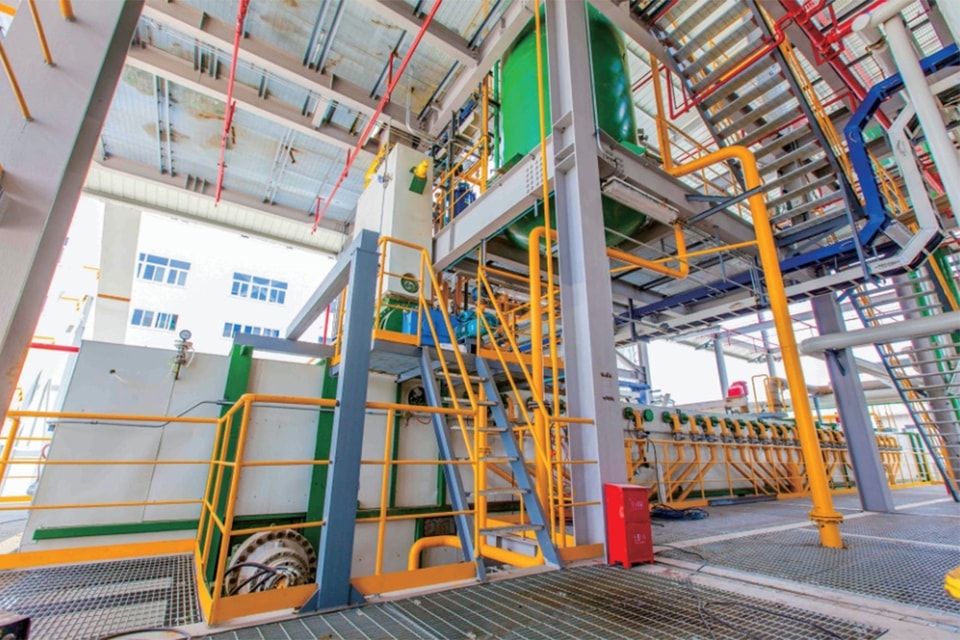
Unlocking the Potential of Modern Oil Production Plants
1/6, 2026
The evolution of oil manufacturing plants has transformed the way we harness and process various oils and fats. These facilities are pivotal in ensuring high-quality products while maintaining efficiency and sustainability. Excellence in oil processing aligns with the modern demands of the industry, requiring solutions that incorporate cutting-edge technology and experience. State-of-the-Art Processing Technology Modern oil production plants benefit from innovations that enhance the efficiency and quality of output. One of the cornerstones of our facilities is the integration of Hydrotreatment Technology, which allows us to produce Sustainable Aviation Fuel (SAF) from waste oil. This not only contributes to a cleaner environment but also maximizes the utility of resources that would otherwise go to waste. The utilization of high-acid value waste oil neutralization techniques further exemplifies our commitment to sustainable solutions, empowering us to create high-quality biodiesel while minimizing environmental impacts. Customizable Solutions for Diverse Needs Each oil manufacturing plant faces unique challenges based on its operational requirements and desired products. A highly experienced technical team can work closely with clients to customize turnkey solutions, ensuring that every oil production plant meets specific criteria. From the refinement of waste oil for biodiesel production to the purification and utilization of steroids and fatty acids, our solutions are comprehensive. We specialize in developing products such as Cocoa Butter Equivalent (CBE) and specialty fats, catering to various sectors and consumer preferences. Quality Control and Reliability A commitment to quality assurance is essential. Facilities certified with ISO 9001 and CE institute a rigorous quality control process at every step of oil processing. The longevity and productivity of an oil production plant rely on meticulous testing and adherence to international standards. Every component and system within a plant should undergo thorough validation for safety and efficiency, ensuring reliable solutions that yield consistent results over time. Ensuring Longevity Through After-Sales Support Beyond the initial installation and operation, prioritizing the long-term success of your oil manufacturing plant is key. Proactive maintenance and remote technical support help mitigate potential issues before they arise. With a dedicated supply of spare parts and regular performance evaluations, the objective is to guarantee that your oil production plant operates seamlessly. Uninterrupted functionality is critical for maximizing output and minimizing downtime. Forging a Sustainable Partnership in Oil Processing Choosing Ocean is not about merely acquiring machinery; it's about forging a partnership that prioritizes efficiency, sustainability, and customized solutions. Our extensive experience and continuous innovation set us apart in the realm of oil processing, and we are equipped to tackle the challenges faced by modern oil production facilities. Together, we can unlock the full potential of your oil production endeavors and contribute to a sustainable future.
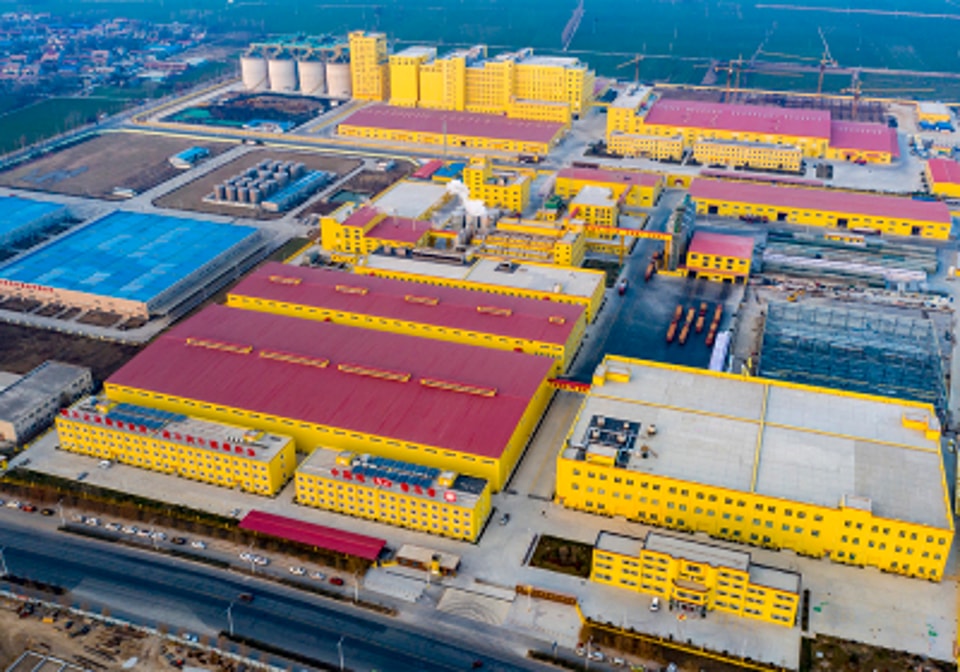
Choosing the Right Oil Production Line: Your Comprehensive Guide
1/5, 2026
To ensure your oil manufacturing plant investment aligns with operational goals, several critical factors require evaluation. At Ocean, we understand that selecting the right oil production line is not just about acquiring machinery; it's about building a system that efficiently caters to your processing requirements. A thorough understanding of your operational needs and available technologies is essential for making an informed decision. Understanding Your Processing Needs Before delving into machinery options, it's crucial to evaluate your processing needs. An oil manufacturing plant should be based on the types of oils you plan to produce, whether vegetable, animal-based, or even biodiesel. High-quality equipment for oilseed preparation and extraction is available to support various production goals. Understanding your demands helps us recommend the most effective oil production line, allowing for optimal extraction rates and product quality. Evaluating Equipment Options An effective oil production line systems come with a variety of equipment tailored to various tasks in the oil processing journey. Essential components include the seed press, extractor, and refining units. For instance, our advanced screw press models efficiently convert seeds into workable oil, while our solvent extraction systems are designed for maximum oil recovery from oilseeds. Each piece of equipment plays a vital role in ensuring the efficiency and effectiveness of your oil manufacturing plant, so it's essential to choose wisely based on your production capacity and operational needs. Cost vs. Quality Considerations Budget considerations are always at the forefront when investing in an oil manufacturing plant. However, balancing cost with the quality of equipment is key to long-term success. Investing in solutions that combine cost-effectiveness with durability and efficiency ensures that your oil production line offers excellent returns on investment. It's important to consider the total cost of ownership, which includes maintenance, operational efficiency, and the potential for scaling up in the future. Getting the Most from Your Investment Once the oil manufacturing plant is in place, proper maintenance and operational practices are vital to maximizing productivity. Comprehensive training and after-sales services ensure that your operators are well-equipped to manage the oil production line effectively. Establishing a solid maintenance plan can help prevent downtime and keep your processing plant running smoothly. Comprehensive Solutions for Optimal Oil Production Designing a successful oil production line involves a blend of understanding your unique processing needs, evaluating equipment options, weighing your budget against quality considerations, and ensuring maximum efficiency through effective maintenance. At Ocean, we commit to supporting you every step of the way, from the initial consultation to the ongoing operational support of your oil manufacturing plant. Professional support throughout the process, from initial consultation to ongoing operational assistance, helps ensure your oil manufacturing plant meets market demands and supports business growth.
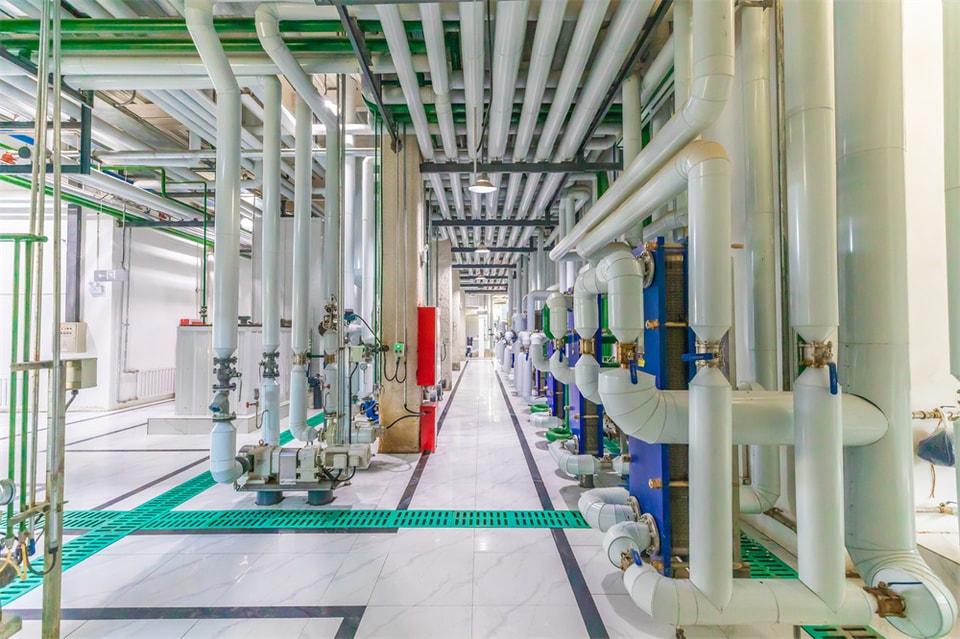
Implementing a Robust Oil Production Line: Best Practices for Success
1/5, 2026
Establishing a new oil production line represents a significant investment and strategic opportunity for companies looking to enhance their capacity and market reach. Effective implementation is crucial for maximizing output and ensuring efficiency in operations. From equipment selection to process optimization, every aspect must be carefully considered. Below are essential practices to drive successful project execution in an oil manufacturing plant. Understanding Project Requirements and Customization Prior to diving into the development of an oil production line, it's vital to thoroughly assess the specific requirements of your project. This includes understanding unique operational demands and local market conditions. Equipment must be selected not just based on the type of oil being processed but also with consideration to future growth. This tailored approach ensures that our solutions enhance operational efficiency and can adapt to evolving market needs, whether you are processing sunflower oil or biodiesel. Streamlining Equipment Selection and Integration Once the requirements are clear, the next essential step involves the careful selection of equipment to be used in the oil manufacturing plant. A wide range of machinery, such as multi-stage oil extractors and refining systems, is available. Integration of smart technology, like our state-of-the-art automation controls, further enhances operational efficiency. Collaborating closely with our engineering team ensures that all pieces fit seamlessly into the overall production line, minimizing downtime and maximizing productivity. Training and Support for Optimal Operations Implementing a new oil production line is incomplete without adequate training and support for the operational team. Equipping personnel with the necessary skills and knowledge to operate advanced machinery effectively and safely is critical. Comprehensive training programs cover everything from operating techniques to troubleshooting mechanisms, ensuring a smooth transition into full-scale operations. Our commitment extends beyond installation; our on-site support means businesses can quickly address any operational challenges that may arise. Empowering Success Through Efficient Oil Production Solutions In closing, the establishment of an oil production line can empower companies to significantly enhance their production capabilities. By following best practices such as understanding project requirements, streamlining equipment selection, and providing thorough training, businesses can ensure that their new oil manufacturing plant operates at peak efficiency. At Ocean, we are dedicated to delivering tailored solutions and continuous support, paving the way for your success in the evolving landscape of oil production. With our expertise, your journey towards achieving operational excellence is in capable hands.
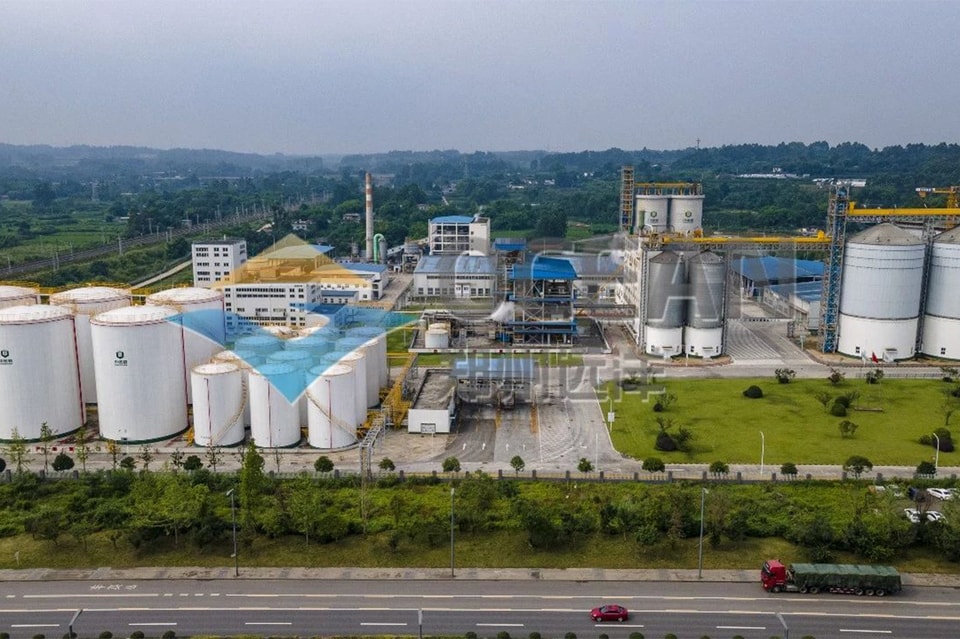
Understanding the Role of Oil Production Lines: Functions and Benefits
1/5, 2026
In the intricate world of oil processing, oil production lines serve as the backbone of efficient manufacturing. These systems play a vital role in converting raw materials into refined oils. By employing advanced technology and industry best practices, our oil manufacturing plants are designed to optimize the entire production process, ensuring that every stage contributes to the final quality of the product. Comprehensive Oil Processing Solutions An oil manufacturing plant is equipped with various components that work in tandem to extract, refine, and package oils and fats. The initial phase often involves oilseed preparation, where seeds are cleaned and pre-processed to maximize yield. Expertise in extraction techniques and the design of advanced extraction systems is essential. For example, our continuous solvent extraction units use the latest technologies to enhance the efficiency of oil recovery, ensuring maximum output and minimal waste. As part of the refining process, oils undergo several stages to remove impurities and improve quality. With our state-of-the-art refining technologies, each oil production line can include degumming, neutralization, decolorization, and deodorization stages. These processes ensure that the final product meets stringent quality standards. Tailored solutions help streamline operations, allowing for greater flexibility and adaptability in production. Sustainable Practices for Future-Ready Production In response to growing environmental concerns, the industry emphasizes the importance of sustainable production practices within oil manufacturing plants. Waste oil recycling and biofuel production are increasingly becoming integral parts of our offerings. With systems designed for the efficient collection and processing of waste oils, producers can convert used cooking oils into biodiesel. Not only does this reduce environmental impact, but it also opens new avenues for profits, aligning with global sustainability goals. Furthermore, our oil production lines are equipped to handle animal fats and plant-based protein extraction. This diversification allows us to cater to a broader market, meeting the changing demands for various oil types. By integrating fermentation processes, Ocean is at the forefront of innovation, providing solutions that adapt to the evolving landscape of the oils and fats industry. Delivering Tailored Solutions Globally Each project should be approached with a commitment to excellence. A dedicated research and development team that collaborates with clients helps craft tailored solutions that meet specific needs. With experience from numerous successful projects across many countries, valuable insights can be brought to every oil manufacturing plant design and implementation. From the initial consultation to installation and ongoing support, the goal is to deliver systems that maximize efficiency and return on investment. Effective after-sales services ensure that each oil production line operates smoothly long after installation, minimizing downtime and fostering long-term partnerships. The Future of Oil Processing Begins Here The evolution of oil processing is not just about technology; it’s about collaboration and innovation. Ocean recognizes the essential functions that oil production lines provide in today’s market. By continuously advancing our systems and embracing sustainable practices, we are prepared to meet the challenges of tomorrow. A commitment to delivering high-quality oil manufacturing plants ensures continued contribution to success in the oils and fats industry.



Copyright © Shanghai Singoo Information Technology Co., Ltd.