Protein Peptide Production Solutions

Protein peptide technology refers to the production process of converting natural proteins into short-chain peptide mixtures (or specific-sequence peptides) composed of 2–20 amino acid residues through controlled hydrolysis. Its core value lies in endowing products with unique functionalities that surpass the original protein, such as high absorption rate, low allergenicity, and bioactive properties including blood pressure reduction, antioxidant activity, and antimicrobial effects.

Key Process of Protein Peptide Production


1. Raw Material Pretreatment Section


Prepared protein powders or raw materials are reconstituted or suspended in water to form a uniform slurry, typically at 5%–15% concentration. The slurry is then heat-treated (e.g., 85–95°C for 5–15 minutes) to denature proteins, exposing more cleavage sites for efficient hydrolysis. Finally, temperature and pH are adjusted to the optimal conditions for the selected protease.

2. Controlled Enzymatic Hydrolysis Section 


This is the heart of the process. The pretreated slurry enters an enzymatic hydrolysis reactor with precise temperature, pH, and agitation control. Proteases are added at a defined enzyme-to-substrate ratio to cleave peptide bonds specifically. Hydrolysis is monitored in real time, often via pH-Stat method, and stopped once the target degree of hydrolysis is reached to prevent over-hydrolysis and bitterness.

3. Enzyme Inactivation & Solid-Liquid Separation Section


The hydrolysate is rapidly heated to 85–95°C to permanently inactivate the enzyme. Then, unhydrolyzed proteins, insoluble impurities, and fats are removed using disc stack centrifuges or plate & frame filters, yielding a clear peptide solution.

4. Debittering, Desalting & Decolorization Section (Quality Critical)

Debittering: Achieved via activated carbon adsorption, chromatographic separation, or exopeptidase treatment.

Desalting: Best performed using electrodialysis; alternatives include ion-exchange resins or nanofiltration.

Decolorization: Mild bleaching with activated carbon or hydrogen peroxide improves product color.

5. Separation, Concentration & Drying Section


The clarified peptide solution is fractionated by molecular weight using ultrafiltration membranes (e.g., 1 kDa, 3 kDa cut-offs). It is then concentrated via nanofiltration or reverse osmosis, sterilized using mild methods (pasteurization or membrane filtration), and dried. Spray drying is the mainstream method; vacuum belt drying or freeze drying is used for high-value peptides.

6. Product Packaging & Storage Section


Final peptide powders are highly hygroscopic and are packaged in moisture-proof materials (aluminum foil bags, vacuum or nitrogen-flushed). Storage conditions are cool, dry, and protected from light.

Key Advantages 


High Bioavailability & Targeted Functionality

The enzymatic process breaks proteins into small, highly absorbable peptides while preserving or enhancing specific bioactivities such as ACE inhibition or antioxidant capacity.

Controlled, Gentle Processing

Precise control over hydrolysis parameters (pH, temperature, time) and the use of mild separation technologies (membrane filtration, electrodialysis) ensure optimal peptide integrity and functionality.

Flexible Product Specification

We utilize horizontal dryers to remove moisture from soybean flakes, effectively replacing traditional vertical cookers. This approach is also applied to rapeseed flake conditioning, offering benefits such as energy savings, reduced footprint, and improved quality of pre-pressed crude oil. For meal processing, a horizontal rotary sifter is employed to screen soybean meal, effectively reducing fines content and enhancing product uniformity.

Integrated Quality by Design

In-line monitoring of hydrolysis degree and bitter peptide formation allows real-time adjustment, ensuring consistent product quality, purity, and taste profile.

Raw Materials 

Our protein peptide production process is designed to handle a wide variety of high-quality protein sources efficiently. Key feedstocks include milk protein (casein, whey), fish protein, collagen, egg white protein, soy protein, rice protein, pea protein, wheat gluten, microbial proteins etc.

Main Equipment

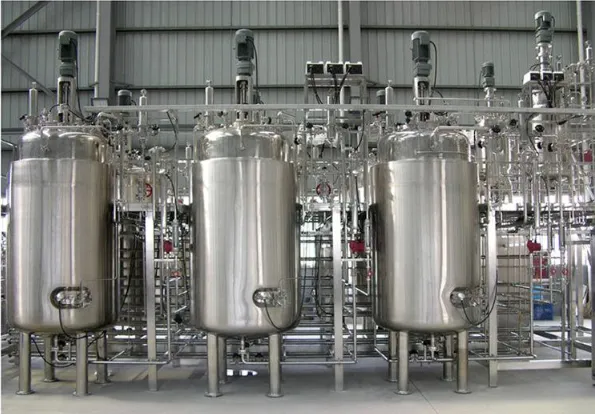
Enzymatic Hydrolysis Reactor

The enzymatic hydrolysis reactor is the core unit for the controlled breakdown of proteins into peptides. It features high-precision automatic control over temperature, pH, and stirring speed, ensuring optimal enzyme activity and reaction kinetics. The system often includes automated alkali dosing (pH-Stat) to maintain constant pH during hydrolysis, enabling real-time monitoring and control of the degree of hydrolysis. Constructed in food-grade stainless steel, it is designed for efficient, reproducible, and scalable peptide production.
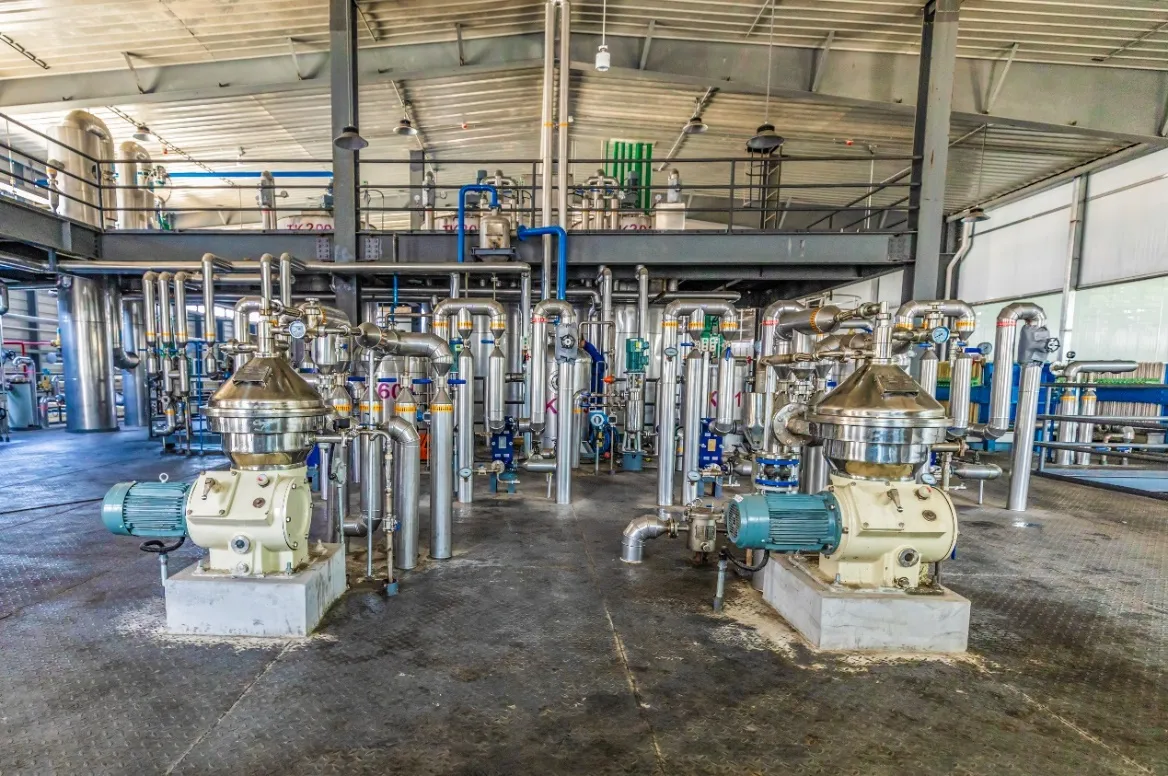
Disc Stack Centrifuge

The disc stack centrifuge is a high-speed centrifugal separator used for efficient solid-liquid separation in peptide processing. It operates by generating high gravitational force to rapidly separate insoluble solids, denatured proteins, and fine impurities from the peptide hydrolysate. Its compact stacked disc design provides a large settling area, enabling continuous clarification and concentration of slurries. Ideal for post-hydrolysis and post-inactivation stages, it ensures a clear liquid stream for downstream purification while handling viscous and temperature-sensitive materials with minimal product loss.

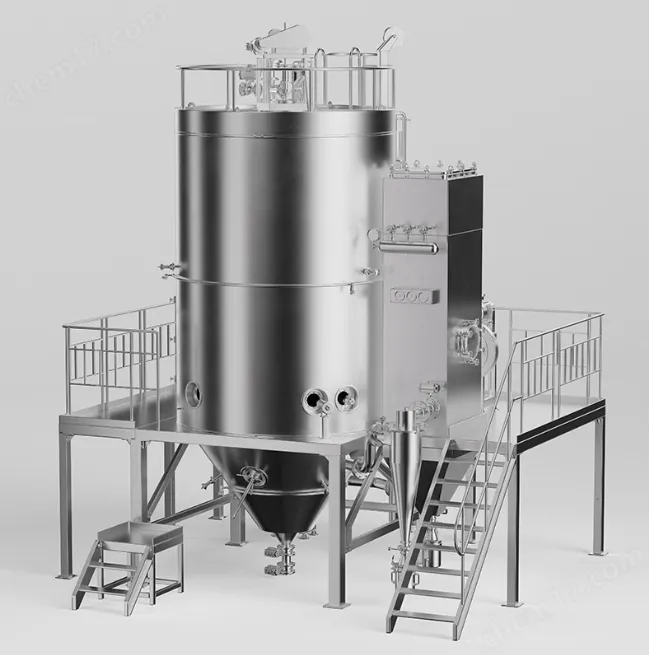
Spray Drying Tower

The spray drying tower is the key unit for converting liquid peptide concentrates into stable powder form. The concentrate is atomized into fine droplets which contact hot air in a controlled drying chamber, resulting in rapid water evaporation and short heat exposure. This minimizes thermal damage to sensitive peptides. The system features adjustable inlet/outlet air temperatures and atomization parameters to optimize powder characteristics like moisture content, particle size, and activity retention, ensuring a free-flowing, high-quality final product.

FAQ

  • Q.What is the main difference between protein hydrolysates and specific bioactive peptides?

    • A: Protein hydrolysates are complex mixtures of various peptides and amino acids resulting from general protein breakdown. Bioactive peptides are specific short sequences within these mixtures (or purified from them) that have demonstrated targeted physiological effects, such as ACE inhibition for blood pressure management. Our process can be tailored to maximize the yield of such specific bioactive peptides.

  • Q.Can you produce peptides with a specific molecular weight range?

    • Yes. By selecting appropriate proteases and controlling hydrolysis parameters, followed by precise fractionation using ultrafiltration membranes with defined cut-offs (e.g., 1 kDa, 3 kDa, 10 kDa), we can consistently produce peptide fractions within targeted molecular weight ranges to meet different functional and application requirements.

  • Q.What are the key factors for controlling peptide bitterness?

    • A: Bitterness primarily comes from hydrophobic peptides generated during hydrolysis. Key control factors include the selection of protease specificity (endo- vs. exo-peptidases), precise control of the degree of hydrolysis to avoid over-cleavage, and the effective use of downstream debittering technologies like activated carbon adsorption or chromatographic separation.

  • Q. How is the biological activity of peptides preserved during drying?

    • A:Activity preservation is achieved by using gentle drying methods. Spray drying, optimized with low outlet temperatures and rapid drying kinetics, is standard. For extremely heat-sensitive, high-value peptides, even milder methods like vacuum belt drying or freeze drying (lyophilization) are employed to maximize bioactive peptide retention.