Fermentation Solutions
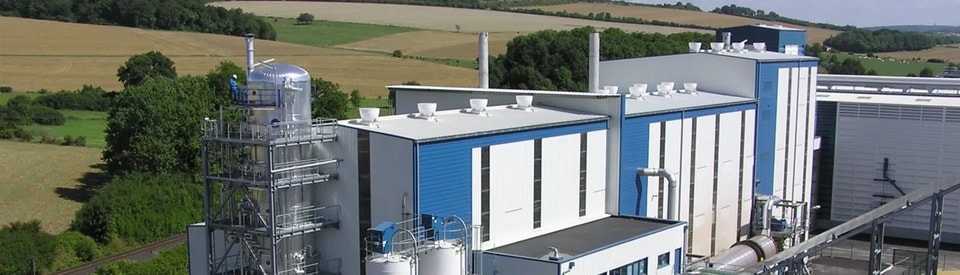
At Ocean, we recognize that high-quality protein is foundational to modern animal nutrition. Yet, conventional plant-based feed ingredients are often laden with anti-nutritional factors (ANFs) that compromise digestibility and animal health. Our advanced Fermentation Solutions are designed to precisely transform these challenging raw materials into high-value, functional feed components through controlled microbial processes. By moving beneficial microbial fermentation outside the animal's gut, we ensure every animal receives consistent access to superior microbial-derived nutrients.
Fermented Soybean Meal
Soybean meal is a premier protein source, yet its full potential is inhibited by over ten types of ANFs—from heat-labile trypsin inhibitors to heat-stable phytic acid. These factors suppress growth by reducing protein digestibility and causing digestive stress.
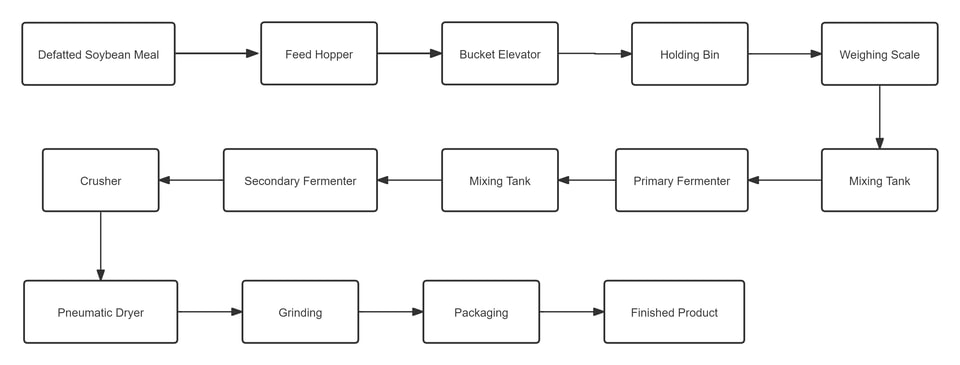
Key Process of Soybean Meal Fermentation
Key Advantages of Our Fermented Soybean Meal
Eliminates ANFs
Eliminates ANFs: Effectively degrades antigenic proteins, trypsin inhibitors, and oligosaccharides (flatulence factors).
Enhances Nutrient Bioavailability
Enhances Nutrient Bioavailability: Increases protein solubility and breaks down proteins into digestible small peptides and free amino acids.
Adds Functional Value
Adds Functional Value: Generates beneficial organic acids, microbial metabolites, and natural aroma compounds that improve palatability.
Proven Performance
Proven Performance: With balanced amino acids, its biological efficacy rivals or surpasses premium ingredients like fishmeal.
Fermented Rapeseed Meal
Rapeseed meal is protein-rich but underutilized due to glucosinolates and other ANFs. Our fermentation technology converts it into a safe, palatable, and highly digestible feed ingredient.
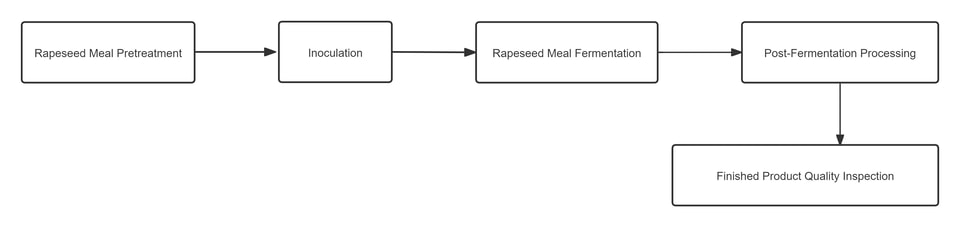
Key Process of Rapeseed Meal Fermentation
Key Advantages of Our Fermented Rapeseed Meal
Significantly Improves Safety & Palatability
Reduces ANFs, creating a product with excellent taste and odor.
Boosts Digestibility
Boosts Digestibility: The fermentation process pre-digests nutrients, leading to higher feed efficiency.
Fermented Cottonseed Meal
As a major cotton producer, China possesses vast reserves of cottonseed meal—a resource constrained by toxic free gossypol, imbalanced amino acids, and high crude fiber. Our fermentation solution is the key to unlocking its value.
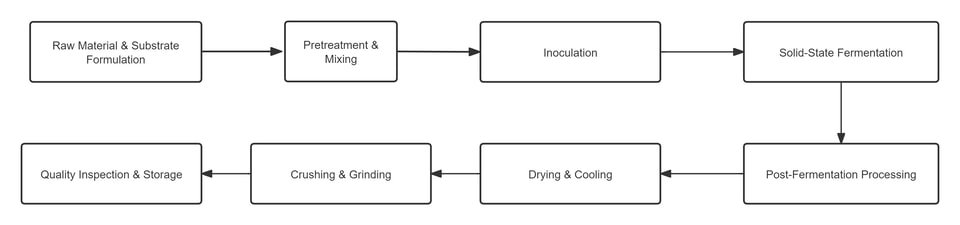
Key Process of Cottonseed Meal Fermentation
Key Advantages of Our Fermented Cottonseed Meal
Safe & Effective Detoxification
Microbial fermentation degrades free gossypol without chemical residues.
Comprehensive ANF Reduction
Comprehensive ANF Reduction: Also targets non-starch polysaccharides, tannins, and phytic acid.
Superior Nutritional Profile
Superior Nutritional Profile: Increases beneficial microbial count, disrupts cell walls for better nutrient release, and generates bioactive peptides.
Cost-Effective Production
Requires no expensive equipment, high heat, or chemical additives.
Main Equipment
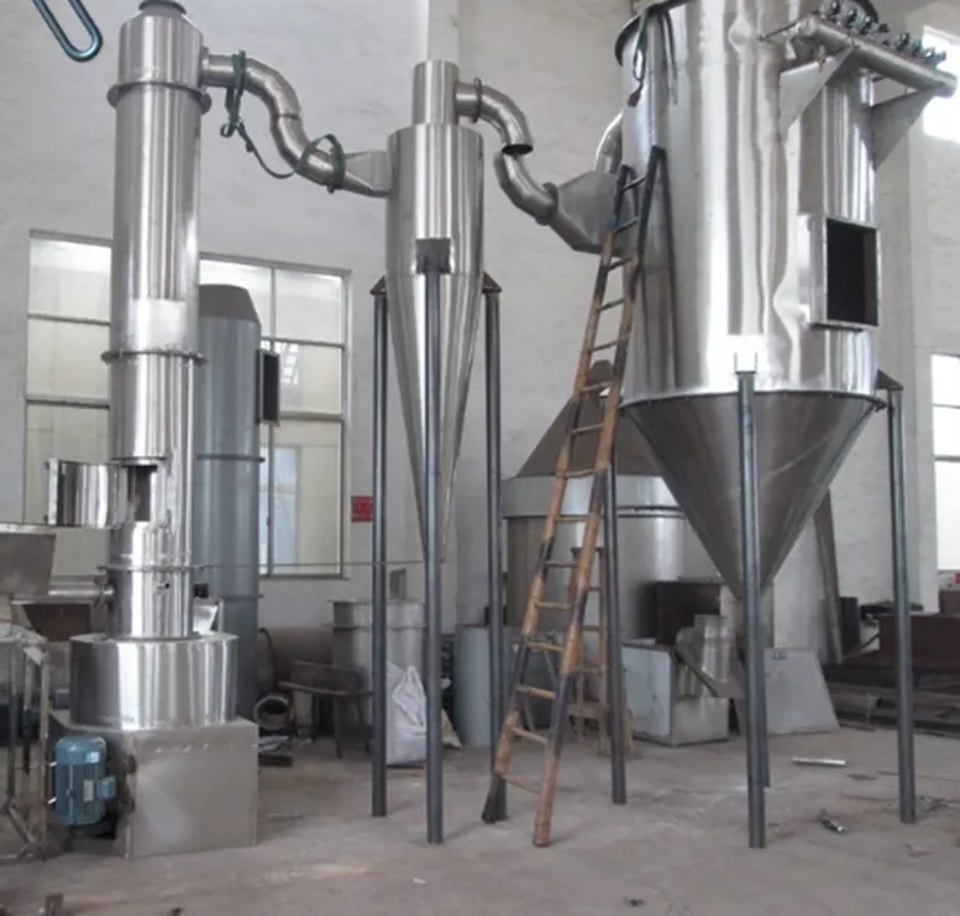
Pneumatic Dryer
This is a rapid and efficient drying system that uses a high-velocity hot air stream to instantly remove moisture from fermented material. It is essential for quickly terminating the fermentation process, preserving heat-sensitive nutrients (such as peptides and active enzymes), and preventing microbial overgrowth. Its gentle drying action helps maintain the product's nutritional profile and functional properties.
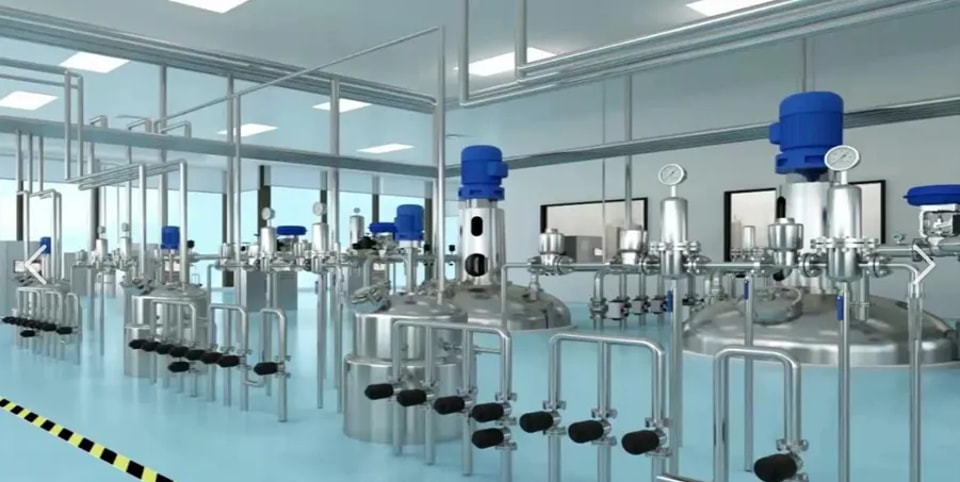
Fermenter
These are the core reactors where the solid-state fermentation magic happens. Our fermenters are designed with precise temperature, humidity, and aeration control systems to create the ideal environment for microbial growth. They ensure the efficient degradation of free gossypol, the synthesis of beneficial metabolites, and the overall transformation of the substrate. Constructed from food-grade materials, they are built for durability and easy cleaning.
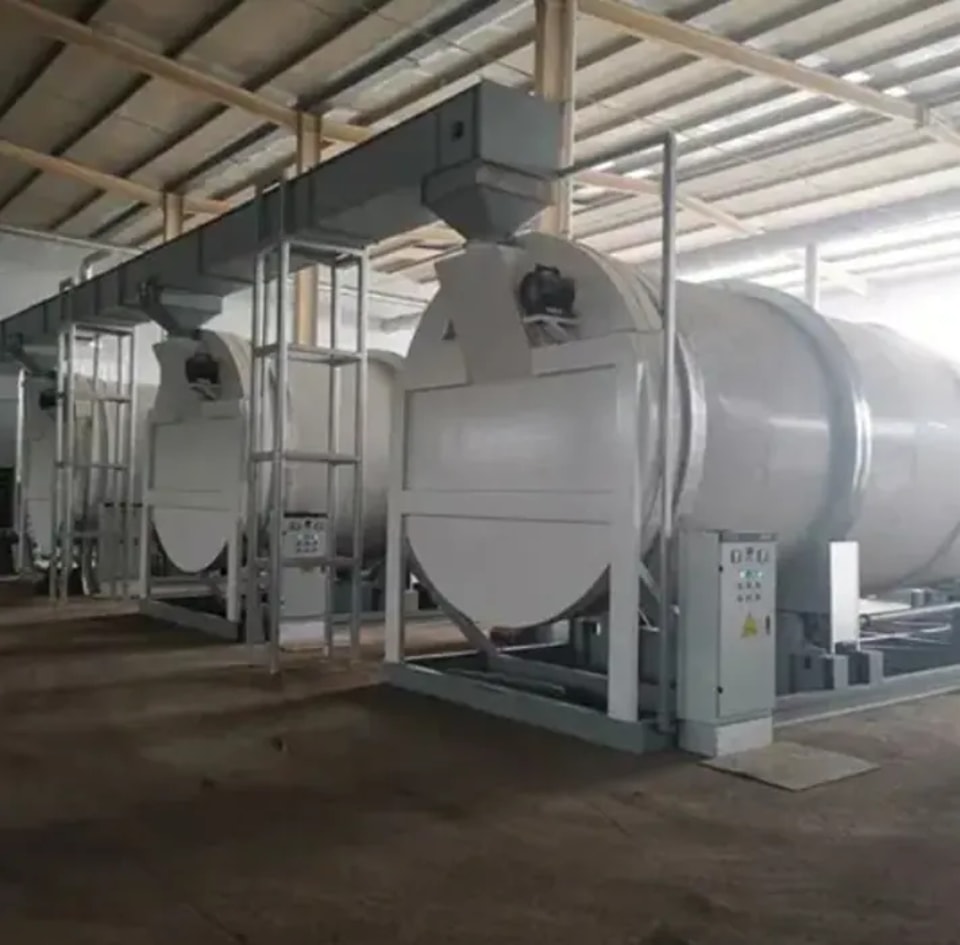
Horizontal Rotary Drum Fermentation Equipment
An advanced and scalable alternative to static fermenters, this equipment features a slowly rotating drum that provides gentle, continuous mixing of the solid substrate. This design guarantees uniform exposure to moisture, temperature, and inoculum, leading to highly consistent fermentation results across the entire batch. It is particularly effective for large-scale, homogeneous production.
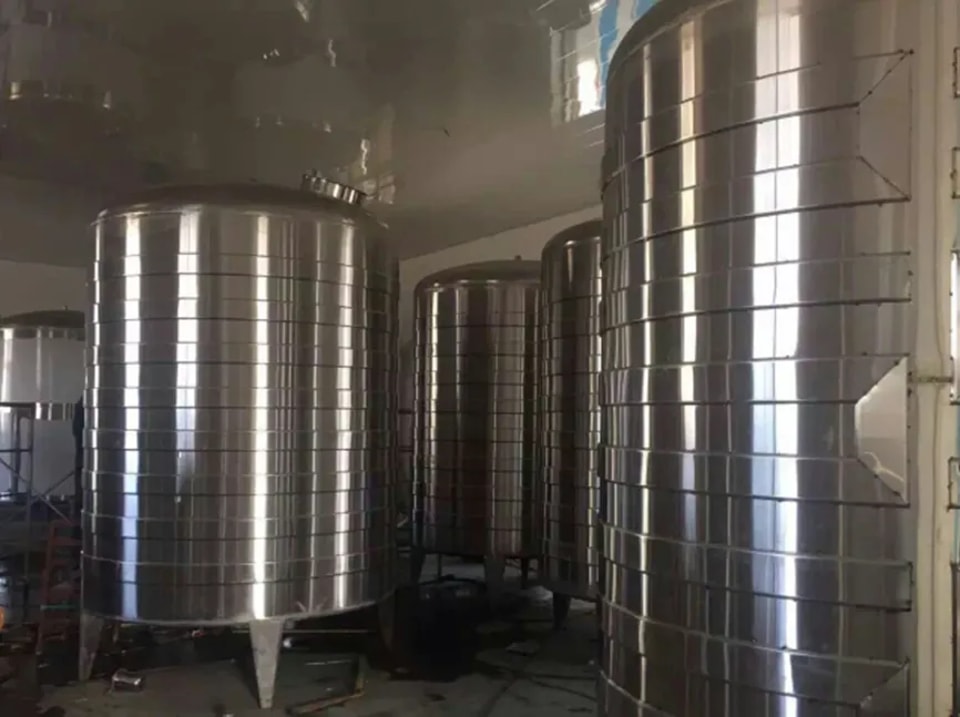
Inoculation Tank
A dedicated tank for the precise preparation and thorough mixing of the microbial inoculum (starter cultures) with the liquid nutrient solution (water, ammonium sulfate, etc.). This crucial step ensures the even distribution of active microbial strains throughout the solid substrate (cottonseed meal mixture), which is fundamental for initiating a rapid and uniform fermentation process.
FAQ
A: Our fermentation process effectively degrades several key ANFs in soybean meal, including trypsin inhibitors, antigenic proteins (such as glycinin and β-conglycinin), and flatulence factors (raffinose, stachyose, and other oligosaccharides). This significantly improves protein digestibility and absorption.
A: Bio-fermentation is a more comprehensive and safer solution. It directly degrades free gossypol through microbial metabolism, achieving a removal rate of over 97% with no risk of chemical residues. Concurrently, fermentation increases protein content, improves the amino acid profile, and generates beneficial metabolites. In contrast, the ferrous sulfate method only binds to gossypol without enhancing nutritional value and may disrupt mineral balance.
A: Specific microbial fermentation breaks down glucosinolates into harmless or less harmful substances while degrading sinapine. This not only eliminates the bitter taste, greatly improving palatability, but also avoids the potential harm of glucosinolate breakdown products to the animal's thyroid, allowing for a significantly higher and safer inclusion rate in feed formulations.
A: The four key parameters, ranked in order of importance, are: Water-to-material ratio > Fermentation substrate composition > Nitrogen source (e.g., ammonium sulfate) addition > Trace element (e.g., ferrous sulfate) addition. We optimize the best combination through orthogonal experiments to ensure efficient and stable detoxification results.



Copyright © Shanghai Singoo Information Technology Co., Ltd.