Animal Fat Rendering Production Line

Ocean’s Animal Fat Energy-Efficient Rendering Process is a modern, automated, continuous, and closed-system technology for fat extraction. Utilizing innovative heat recovery systems and vacuum melting designs, it efficiently extracts high-quality oil from animal by-products (such as fatty tissues and bones), while achieving significant energy savings, environmental benefits, and production cost optimization.

Key Process of Energy-Efficient Rendering


1.Raw Material Crushing

Raw materials are conveyed to a crusher and reduced to uniform particles of approximately 3-5 cm in size. This increases the surface area for heat transfer, improving the efficiency of subsequent melting.

2.Pre-Melting

The crushed material enters a pre-melter for initial heating and softening.


3.Vacuum Energy-Efficient Melting

After pre-melting, the material is pumped into a secondary melter. This stage ingeniously utilizes the secondary steam generated from the primary melter as a heat source, achieving thermal energy recovery.


4.Vacuum/High-Temperature Cooking

The material then enters the primary melter, where it is heated to the cooking temperature using thermal oil or indirect steam (precisely regulated by an automatic control system). This process fully breaks down the tissues and releases the oil under optimal conditions.


5.Greaves Separation

The cooked slurry is discharged into a greaves separator for initial solid-liquid separation.


6.Centrifugal Filtration

The separated crude oil enters a horizontal decanter centrifuge for fine filtration, yielding clear crude oil.


7.Residue Pressing

The separated wet greaves are conveyed to a screw press for further oil extraction, producing dry cake.


8.Finished Oil Cooling & Storage

The filtered crude oil is cooled via a plate cooler and then pumped into finished oil storage tanks, or directly conveyed to the refining plant for further processes such as degumming, neutralization, bleaching, deodorization, and fractionation.


Key Advantages


Superior Energy Efficiency

The process integrates multi-stage heat recovery units, utilizing the system's own secondary steam as a heat source to maximize waste heat recovery. Compared to traditional rendering, steam consumption is reduced by 30%-50%, and direct processing costs can be cut by approximately half, delivering significant economic benefits.

High Level of Automation & Intelligence

The production line employs a PLC central control system for online monitoring and automatic adjustment of temperature, level, and flow. Normal operation requires only 1-2 personnel, significantly reducing labor costs and human error, while ensuring stable production and consistent quality.

Environmental, Hygienic & Closed Production

The system operates fully enclosed from feeding to oil discharge, effectively preventing odor escape and external contamination. Odorous gases are centrally collected and treated, meeting environmental standards. The vacuum dry-rendering method significantly reduces process wastewater discharge, offering outstanding environmental advantages.

Superior Oil Quality & Yield

The unique process and equipment design shorten cooking time and reduce thermal oxidation of the oil, contributing to higher-quality finished oil with lighter color, lower acid value, and purer flavor, while also ensuring a higher oil yield.

Raw Materials 

Our professional energy-efficient rendering process is specifically designed to handle various animal by-product raw materials, aiming to extract high-quality animal fats efficiently and hygienically. Primary raw materials include Pork fat (leaf fat), beef fat, mutton fat, Chicken fat, duck fat, goose fat, pork bones, beef bones, chicken bones, etc. The primary outputs from processing these materials are clear edible animal fat or industrial oil, along with high-protein feed material greaves meal.

Main Equipment

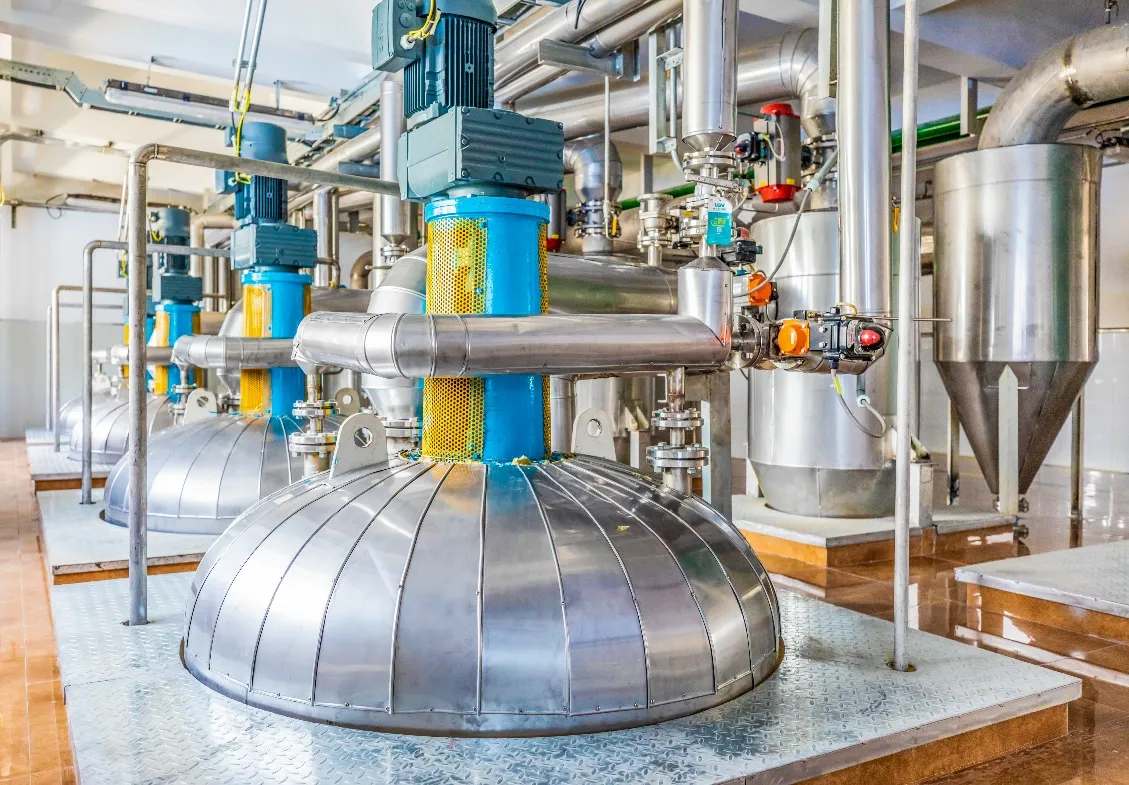
Energy-Efficient Rendering Vessels

Our specially designed rendering tanks feature a multi-stage indirect heating system and utilize advanced heat recovery technology to maximize thermal efficiency. The vessels are manufactured using international standard materials. Food-contact surfaces are polished to a smooth finish, ensuring uniform heating, gentle cooking under controlled vacuum conditions, and minimal thermal degradation of the oil. An automated control system precisely regulates temperature and residence time for consistent product quality and yield.
Precision Self-Cleaning Oil Filter

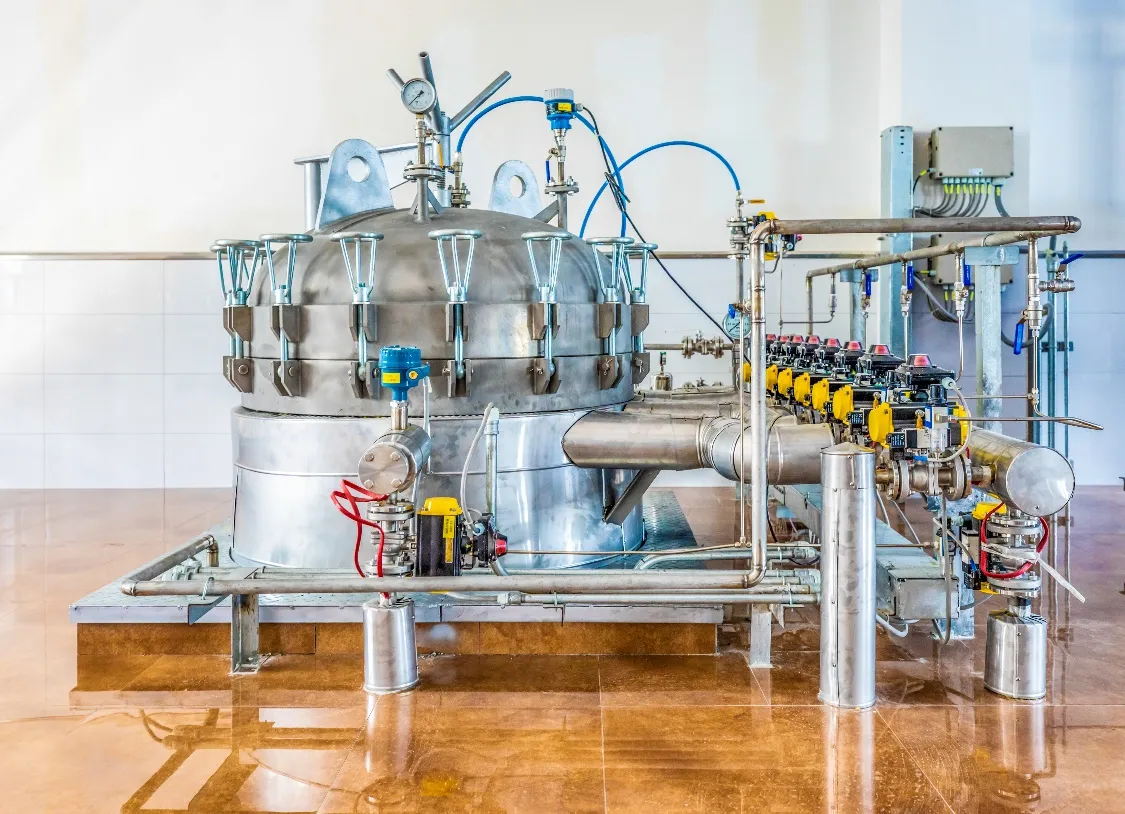
This critical unit ensures the clarity and purity of the extracted crude oil. Equipped with a fine stainless-steel mesh and an integrated automatic backflush cleaning system, it continuously removes fine solid impurities without interrupting production flow. The self-cleaning mechanism reduces manual maintenance, improves filtration efficiency, and delivers a consistently high-quality oil stream for downstream processing or storage.

Vacuum System

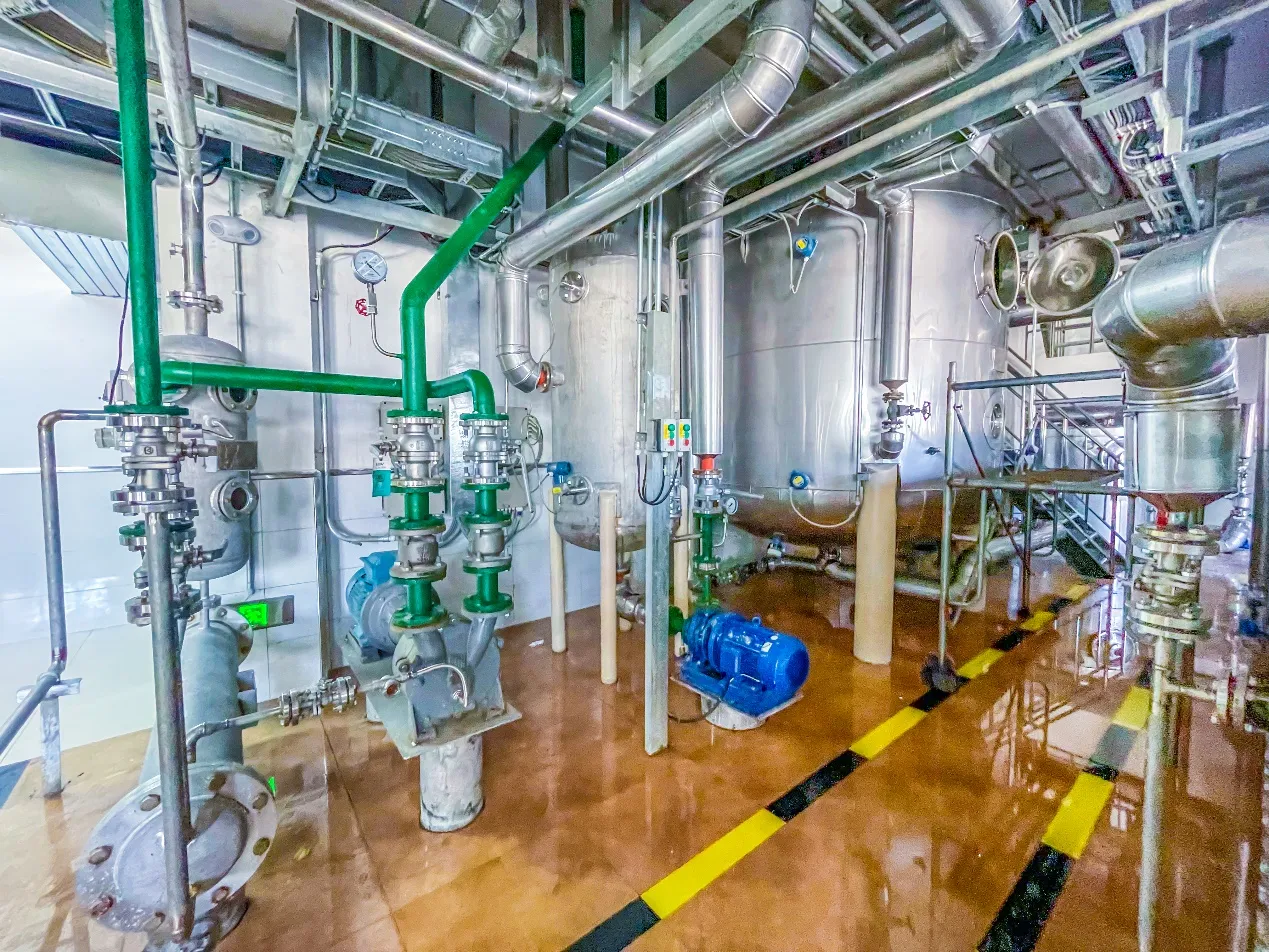
A cornerstone of our energy-efficient and quality-focused process, this system creates and maintains a controlled vacuum environment within key vessels—especially the rendering tanks. Operating under vacuum allows lower-temperature cooking, which preserves oil quality (lighter color, better flavor), reduces energy consumption by lowering boiling points, and effectively contains odors within the closed system. The package includes condensers, vacuum pumps, and separators, all sized for reliable and efficient operation.

 Classic Cases

1

Guangdong Lixun 50 TPD Animal Fat Rendering Line

2

Luohe Shuanghui 60 TPD Animal Fat Rendering Line

3

Wilmar Zhoukou 80 TPD Animal Fat Rendering Line

4

Anhui 100 TPD Animal Fat Rendering Line

fREQUENTLY ASKED QUESTIONS

  • Q.What is the core energy-saving principle of this process?

    • A: The core lies in the multi-stage heat recovery system. The process recovers secondary steam generated during high-temperature stages and uses it as a heat source for lower-temperature stages (e.g., pre-melting, secondary melting), significantly reducing fresh steam consumption and achieving cascading thermal energy utilization.

  • Q.In what aspects is the process environmentally friendly?

    • A: It is mainly reflected in three aspects: 1) Fully enclosed production, preventing the spread of odors and pollutants; 2) Vacuum dry rendering, generating minimal process wastewater; 3) An exhaust gas centralized collection and treatment system ensuring compliant emissions. This makes it particularly suitable for regions with strict environmental regulations.

  • Q.What is the level of automation, and how much labor can be reduced?

    • A: The production line features full-process automation based on PLC control. Material conveying, temperature regulation, level control, etc., are all performed automatically by the system. During normal operation, the entire line requires only 1-2 personnel for monitoring and basic maintenance, reducing labor by over 60% compared to traditional semi-automatic or manual operations.

  • Q. How does the quality of animal fat produced by this process differ?

    • A: Due to the gentle rendering conditions of vacuum, lower temperature, and shorter time, the oil undergoes less thermal oxidation. Consequently, the finished oil typically exhibits lighter color, lower acid value and peroxide value, purer natural flavor, and a longer shelf life, making it more suitable for high-end food processing.