
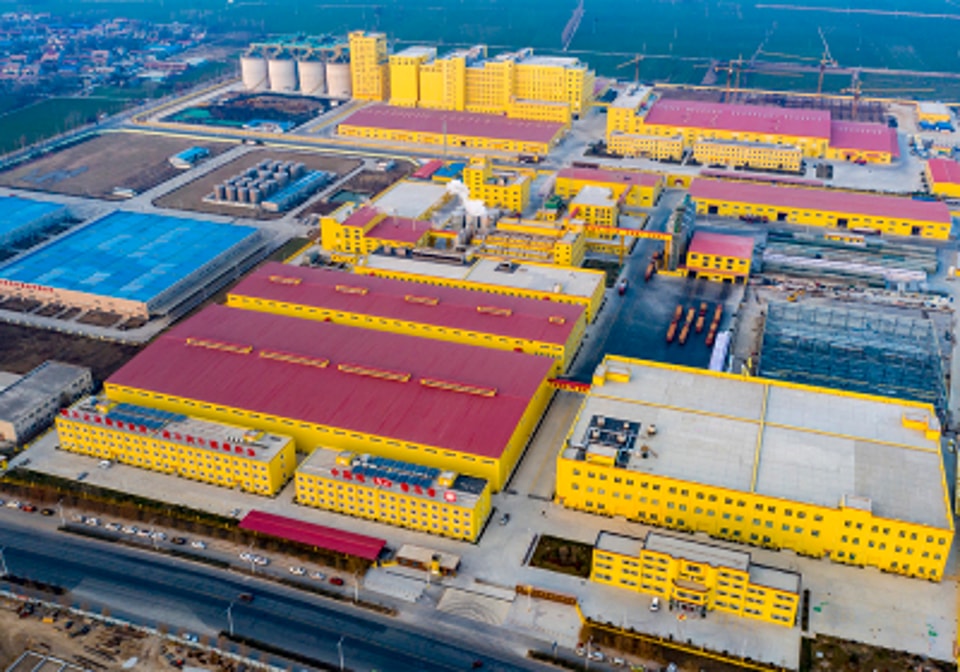
Luhua 200TPD Peanut Oil Refining Project
9/29, 2024
About CustomerLuhua Group was established in 1983 and is a leader in high-end edible oils in China, as well as the number one brand of peanut oil. It is a key national leading enterprise in agricultural industrialization, currently employing over 20,000 people and operating 47 production bases. The group spans multiple industries, including edible oils, condiments, and grains. Its annual production capacity is 1.5 million tons for edible oils, 300,000 tons for condiments, and 500,000 tons for grains. Luhua Group is known for its high-quality peanut oil, which is made using a 5S oil-pressing process that's considered one of the safest and most advanced edible oil processes in China. The Challenges● High Free Fatty Acid (FFA) content requires more intensive neutralization processes, which can be costly and complex.● Strong color and odor that needs to be removed to meet consumer preferences and market standards, which requires effective decolorization and deodorization processes.● The refining process can produce waste products and by-products, such as soapstock and spent bleaching earth, which need to be managed properly to minimize environmental impact.● The refining process is energy-intensive, involving significant consumption of heat and electricity. Efficient energy use and cost management are important considerations.● Traditional processes for adding bleaching clay are labor-intensive and has severe dust pollution. Our Solutions:● Enzymatic Deep Degumming Technology● Cryogenic Vacuum and Energy-saving Deodorization Technology● The Deodorization Technology for Steam from the Decolorization Filter's Cake Blowing● Automatic Bleaching Earth Addition Process and Waste Bleaching Earth Loading System● Dual-tower & Dual-temperature Segmented Deodorization Technology● Online Quantitative Addition Device for Bulk Bleaching Clay and Ton-bag Bleaching Clay.● Waste Heat Recovery Technology● VE Enrichment Technology● Zero Trans Fatty Acid Technology● Fully Automated Control System Results:● Trans fatty acids as low as 0.36● Increased refining rate and reduced losses● Reduced energy and auxiliary material consumption● Reduced labor costs and increased production efficiency● Separated the high-value by-products with high VE content
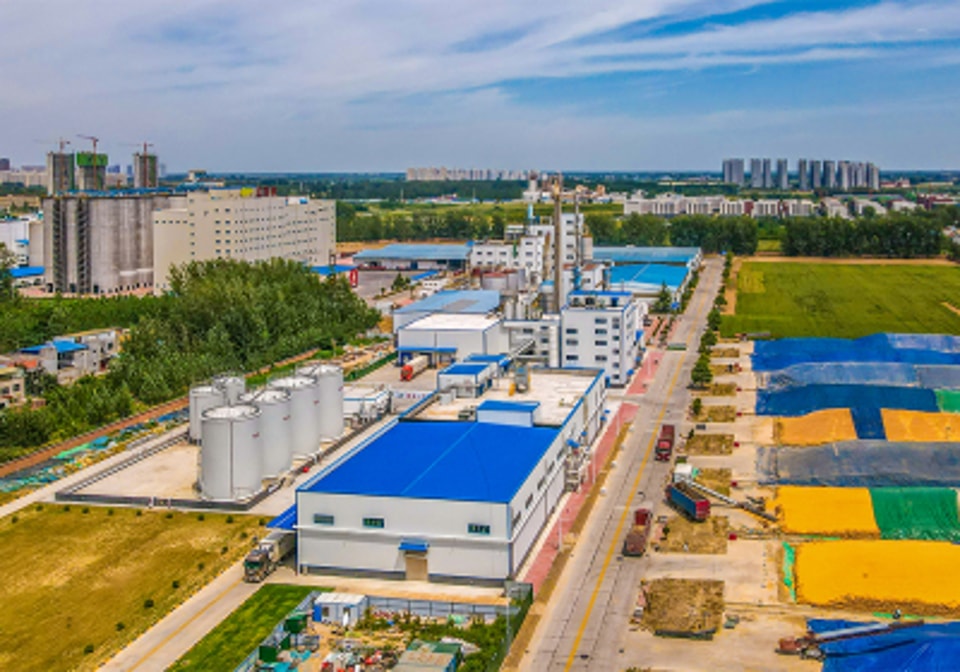
Wilmar (Zhoukou) 80TPD Lard Rendering Project
9/29, 2024
About CustomerWilmar International Limited is a Singaporean food processing and investment holding company with more than 300 subsidiary companies. Founded in 1991, it is one of Asia's leading agribusiness groups alongside the COFCO Group. Wilmar International business activities include oil palm cultivation, edible oils refining, oilseeds crushing, consumer pack edible oils processing and merchandising, specialty fats, oleochemicals, and biodiesel manufacturing, grains processing and merchandising, and sugar milling and refining. It has over 500 manufacturing plants and an extensive distribution network covering China, Indonesia, India and some 50 other countries. The group employs a multinational workforce of more than 100,000 people. The Challenges● Strong color and odor that needs to be removed to meet consumer preferences and market standards, which requires effective decolorization and deodorization processes.● The process can produce wastewater and exhaust gas emissions which need to be managed properly to minimize environmental impact.● The rendering process is energy-intensive, involving significant consumption of heat and electricity. Efficient energy use and cost management are important considerations. Our Solutions:● Raw material unpacking, delivery, crushing, online metal detection. Sent to the pre-melting pot and then sent to the energy-saving smelting furnace● Use secondary steam to heat the energy-saving smelting furnace● All temperature, pressure, and flow are fully automated control● This process utilizes dry vacuum energy-saving refining, which can be heated by steam or thermal oil, eliminating the need for boiler design● The entire refining process is automated and continuous. It is capable of monitoring the temperature during refining and is equipped with energy-saving devices to enable the recovery and reuse of thermal energy● The equipment operates in a fully sealed production environment from material input to oil output, with concentrated treatment of odors to minimize oil product contamination. Continuous vacuum dry oil extraction significantly reduces wastewater discharge● The vacuum system has become compact due to energy reuse, utilizing only one water ring pump, which reduces electricity consumption● The high-temperature equipment is equipped with an overall insulation jacket to prevent burn accidents during operation, reduce heat loss, and improve energy efficiency. The pipes and interfaces are easy to disassemble, and the equipment is polished for a smooth exterior, facilitating cleaning and maintenance● The materials in contact with the materials (equipment and pipes) are made of 304 stainless steel, allowing for CIP cleaning at the end of the refining process, leaving no residue Results:● Reduced steam consumption by 50%● Reduced electricity consumption● Reduced labor costs and increased production efficiency● Reduced wastewater discharge
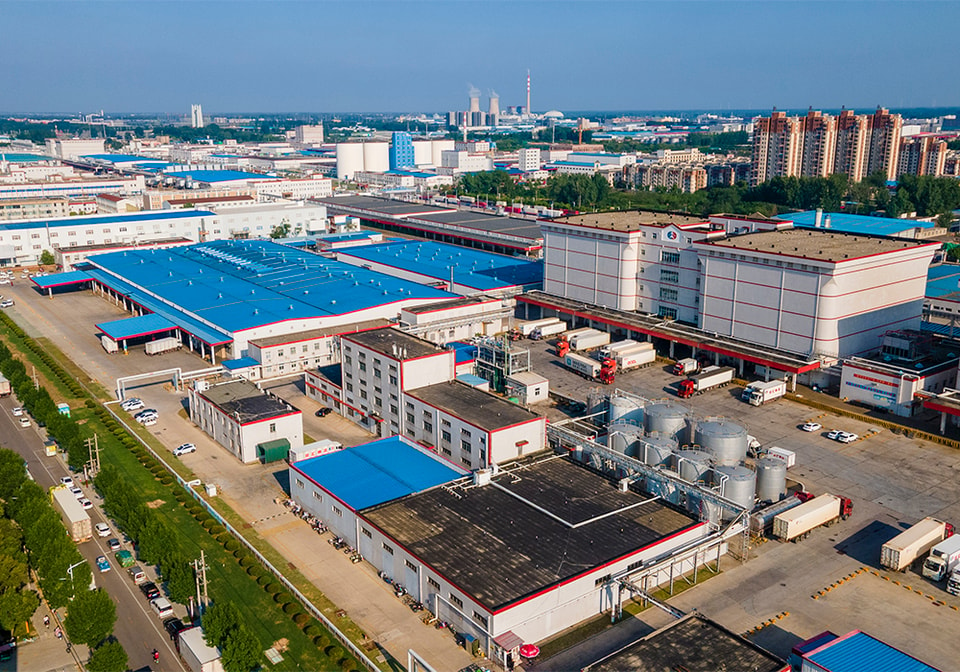
Shuanghui 60TPD Animal Oil Rendering Project
9/14, 2024
About CustomerShuanghui Group, also known as WH Group, or Shineway Group in English-speaking countries, is a publicly traded Chinese multinational meat and food processing company headquartered in Hong Kong. The company’s business include hog raising, consumer meat products, flavoring products, and logistics. Shuanghui is the largest meat producer in China, it has 13 facilities that produce more than 2.7 million tons of meat per year. The Challenges● Strong color and odor that needs to be removed to meet consumer preferences and market standards, which requires effective decolorization and deodorization processes.● The process can produce wastewater and exhaust gas emissions which need to be managed properly to minimize environmental impact.● The rendering process is energy-intensive, involving significant consumption of heat and electricity. Efficient energy use and cost management are important considerations. Our Solutions:● Continuous animal oil rendering process achieves automated control and continuous production.● The process design incorporates multiple energy-saving devices to maximize energy efficiency and reduce consumption, while recovering and utilizing residual heat.● The equipment operates in a fully enclosed production system from input to output, with concentrated collection of odors, to minimize oil contamination to the greatest extent possible.● Continuous vacuum dry oil extraction significantly reduces wastewater discharge and facilitates the collection and treatment of exhaust gases.● Temperature, liquid level, and flow rate are monitored online, with automation achieved through a PLC system and self-regulating control valves, ensuring stable operation of the equipment. Results:● With an acid value of ≤ 4 mg/g for lard, when the raw material has a high acid value, the acid value of the refined product not increased by more than 1 mg/g during the refining process.● Fat content ≤ 15%, moisture content ≤ 14%, with very good decolorization properties.● Steam consumption is reduced by 30% compared to traditional processes● Manual labor was significantly reduced; normal production can be completed with just 1-2 people
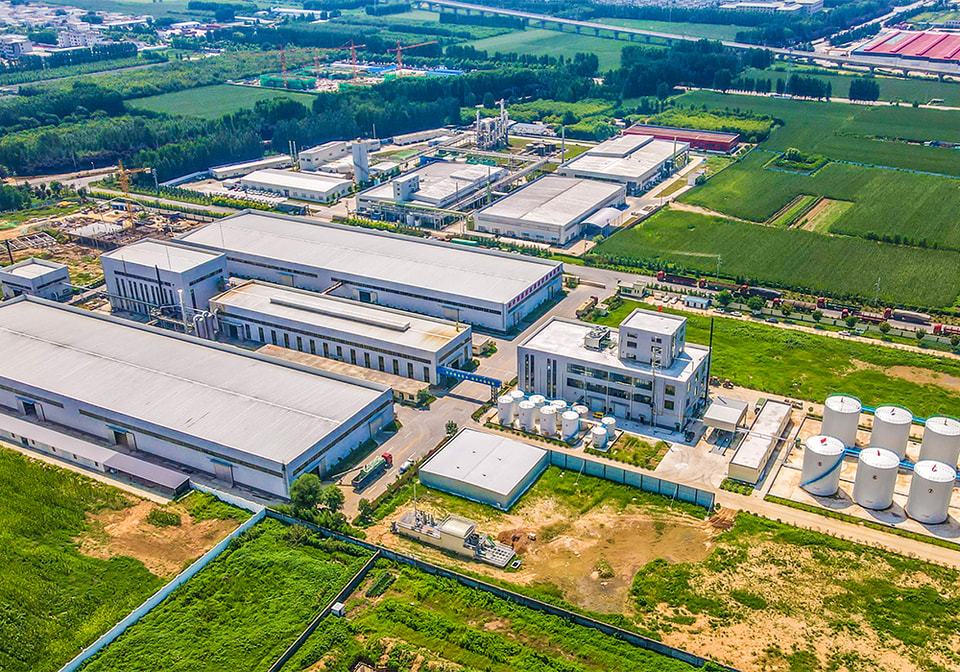
Liangyou 400TPD Corn Germ Oil Refining Project
9/14, 2024
About Customer Founded in April 2000, the company is a modern edible oil processing enterprise that integrates research and development, processing, and packaging of edible oils. Shandong Liangyou Industrial Group Co., Ltd. is successfully listed on the Qilu Equity Exchange Center with the stock name "Liangyou Industrial" and stock code 100751. The company has consistently focused on the deep processing of grains and oils, ranking among the top ten in the industry nationwide and holding a significant position. As a leading player in the domestic agricultural sector, the company is committed to growing stronger and expanding its influence in the industry. The Challenges● High Free Fatty Acid (FFA) content requires more intensive neutralization processes, which can be costly and complex.● Presence of Phytosterols and Tocopherols can complicate the refining process● Corn crude oil contains approximately 500 mg/kg of wax. Conventional refining cannot remove waxes from edible oils.● Strong color and odor that needs to be removed to meet consumer preferences and market standards, which requires effective decolorization and deodorization processes.● The refining process can produce waste products and by-products, such as soapstock and spent bleaching earth, which need to be managed properly to minimize environmental impact.● The refining process is energy-intensive, involving significant consumption of heat and electricity. Efficient energy use and cost management are important considerations.● Traditional processes for adding bleaching clay are labor-intensive and has severe dust pollution.● The content of deoxynivalenol in corn oil can reach up to 6000 μg/kg, which has harmful effects on the nervous system, heart, kidneys, liver, and lungs." Our Solutions:● The Medium-temperature Neutralization Process using Mild Alkali Refining● Cryogenic Vacuum and Energy-saving Deodorization Technology● The Deodorization Technology for Steam from the Decolorization Filter's Cake Blowing● Automatic Bleaching Earth Addition Process and Waste Bleaching Earth Loading System● One-step Dewaxing and Defatting ● Dual-tower & Dual-temperature Segmented Deodorization Technology● Online Quantitative Addition Device for Bulk Bleaching Clay and Ton-bag Bleaching Clay.● Waste Heat Recovery Technology● VE Enrichment Technology● Zero Trans Fatty Acid Technology● Fully Automated Control System Results:● Increased refining rate and reduced losses● Reduced energy and auxiliary material consumption● Reduced labor costs and increased production efficiency● Reduced the deoxynivalenol content and ensured that the deoxynivalenol content in the refined finished oil meets or exceeds national standards.● Separated the high-value by-products with high VE content, with VE component levels reaching up to 17%."
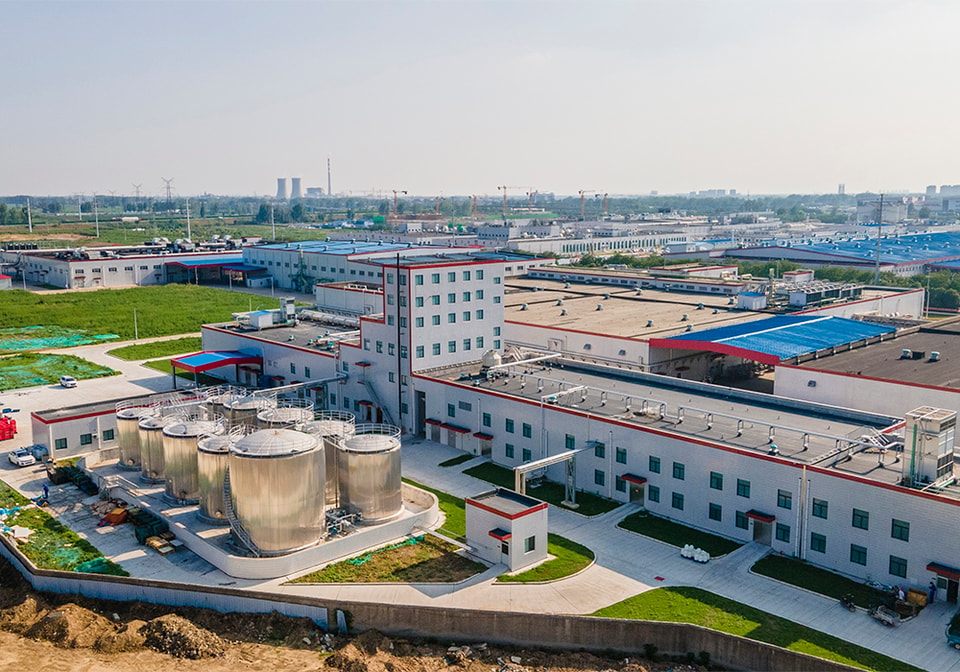
Shuanghui 60TPD Animal Oil Refining Project
9/13, 2024
About CustomerShuanghui Group, also known as WH Group, or Shineway Group in English-speaking countries, is a publicly traded Chinese multinational meat and food processing company headquartered in Hong Kong. The company’s business include hog raising, consumer meat products, flavoring products, and logistics. Shuanghui is the largest meat producer in China, it has 13 facilities that produce more than 2.7 million tons of meat per year. The Challenges● Presence of Phytosterols and Tocopherols can complicate the refining process● Strong color and odor that needs to be removed to meet consumer preferences and market standards, which requires effective decolorization and deodorization processes.● The refining process can produce waste products and by-products, such as spent bleaching earth, which need to be managed properly to minimize environmental impact.● The refining process is energy-intensive, involving significant consumption of heat and electricity. Efficient energy use and cost management are important considerations.● Traditional processes for adding bleaching clay are labor-intensive and has severe dust pollution. Our Solutions:● Cryogenic Vacuum and Energy-saving Deodorization Technology● Falling Film Evaporator and Final Heater● The Deodorization Technology for Steam from the Decolorization Filter's Cake Blowing● Automatic Bleaching Earth Addition Process and Waste Bleaching Earth Loading System● Online Quantitative Addition Device for Bulk Bleaching Clay and Ton-bag Bleaching Clay.● Waste Heat Recovery Technology● Zero Trans Fatty Acid Technology● Fully Automated Control System Results:● Increased refining rate and reduced losses● Reduced energy and auxiliary material consumption● Reduced labor costs and increased production efficiency● Refined finished oil acid value ≤ 0.05 mg (KOH)/g● All indicators meet the industry standard for Grade 1 lard oil
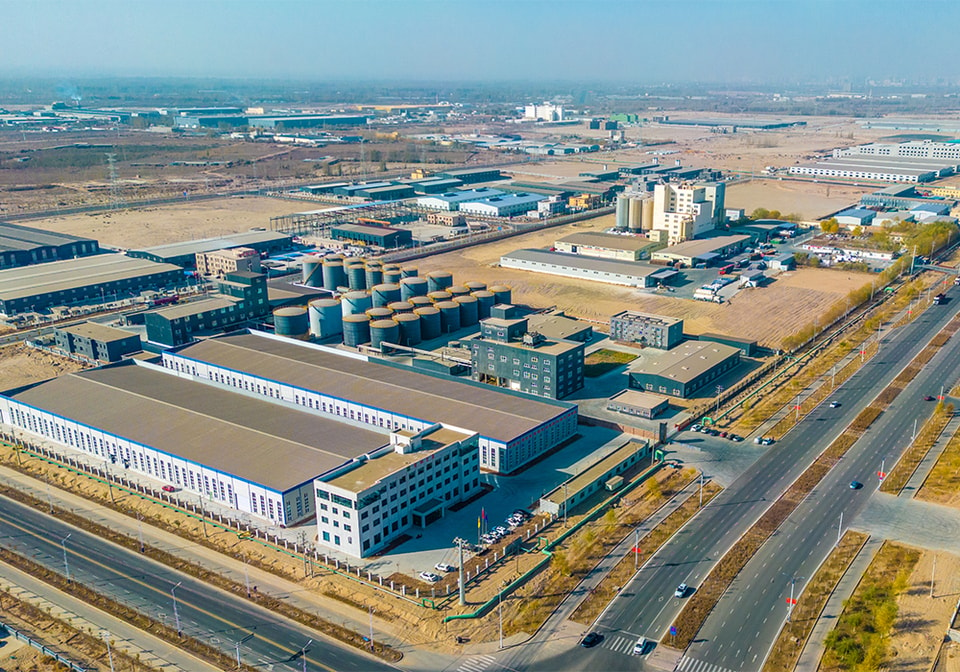
Aksu Jiusheng 200TPD Cottonseed Oil Refining, Dewaxing and -10℃ Fractionation Project
9/13, 2024
About CustomerAksu Jiushang is located in Aksu, Xinjiang, China. Its main business is processing and sales of agricultural and sideline products, with main products being first-grade cottonseed oil and second-grade cottonseed oil. The Challenges● High Free Fatty Acid (FFA) content requires more intensive neutralization processes, which can be costly and complex.● Cottonseed oil contains gossypol, a toxic compound that must be removed or reduced to safe levels. Gossypol can negatively affect both the oil's safety for consumption and its quality.● Strong color and odor that needs to be removed to meet consumer preferences and market standards, which requires effective decolorization and deodorization processes.● The refining process can produce waste products and by-products, such as spent decolorizing earth, neutralizing sludges, and residual chemicals, which need to be managed properly to minimize environmental impact.● The refining process is energy-intensive, involving significant consumption of heat and electricity. Efficient energy use and cost management are important considerations.● Glycidyl esters and Chloropropanols are formed during refining process, which are contaminants in vegetable oils.● Traditional processes for adding bleaching clay is labor-intensive and has severe dust pollution. Our Solutions:● Cryogenic Vacuum and Energy-saving Deodorization Technology● The deodorization technology for steam from the decolorization filter's cake blowing● Automatic Bleaching Earth Addition Process and Waste Bleaching Earth Loading System● One-step Dewaxing and Defatting ● Dual-tower & Dual-temperature Segmented Deodorization Technology● Online quantitative addition device for bulk bleaching clay and ton-bag bleaching clay● Waste Heat Recovery Technology● Fully Automated Control System Results:● Achieved the industry-leading innovation of having fractionated soft fat remain free of crystallization for at least 8 hours at -10°C.● Increased refining rate and reduced losses● Reduced energy and auxiliary material consumption● Reduced labor costs and increased production efficiency
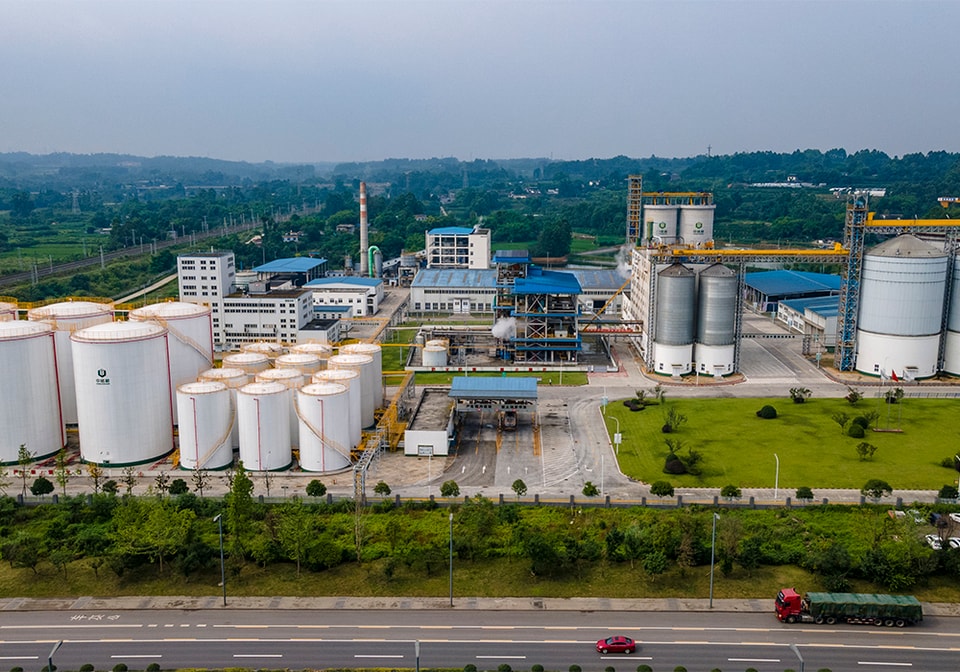
Sinograin (Chengdu) 450TPD Oil Refining Project
9/11, 2024
About CustomerSinograin is a major state-owned enterprise in China specializing in the production, processing, and trading of agricultural products. Sinograin is involved in the procurement, processing, storage, and distribution of grains and oilseeds. This includes various products such as wheat, corn, soybeans, and cottonseed. The company operates large-scale facilities for the processing of cereals and oils, including refining and fractionation of vegetable oils. Sinograin plays a role in managing China’s strategic grain reserves, which are essential for food security and price stabilization. The Challenges● High Free Fatty Acid (FFA) content requires more intensive neutralization processes, which can be costly and complex. ● Glycidyl esters and Chloropropanols are formed during refining process, which are contaminants in vegetable oils. ● Strong color and odor that needs to be removed to meet consumer preferences and market standards, which requires effective decolorization and deodorization processes. ● The refining process can produce waste products and by-products, such as spent decolorizing earth, neutralizing sludges, and residual chemicals, which need to be managed properly to minimize environmental impact. ● The refining process is energy-intensive, involving significant consumption of heat and electricity. Efficient energy use and cost management are important considerations. ● Traditional processes for adding bleaching clay is labor-intensive and has severe dust pollution. Our Solutions:● Enzymatic Deep Degumming Technology● Cryogenic Vacuum and Energy-saving Deodorization Technology● The deodorization technology for steam from the decolorization filter's cake blowing● Automatic Bleaching Earth Addition Process and Waste Bleaching Earth Loading System● One-step Dewaxing and Defatting ● Dual-tower & Dual-temperature Segmented Deodorization Technology● Online quantitative addition device for bulk bleaching clay and ton-bag bleaching clay.● Waste Heat Recovery Technology● Fully Automated Control System Results:● Increased refining rate and reduced losses● Reduced energy and auxiliary material consumption● Reduced labor costs and increased production efficiency● The content of glycidyl esters and chloropropanols achieved zero in the first-grade finished oil
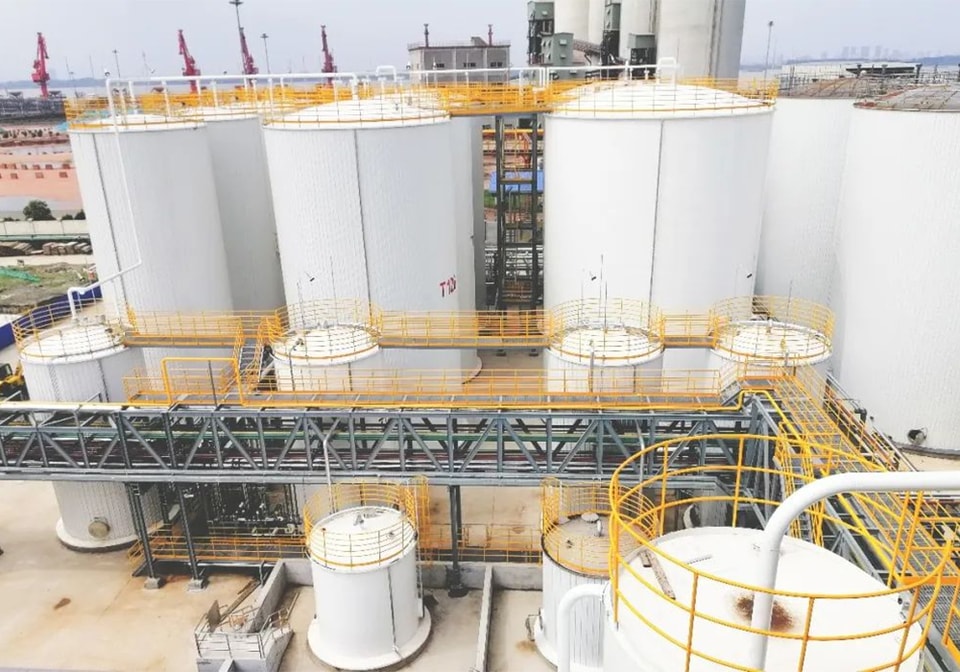
Wilmar (Taizhou) 250TPD Rice Bran Oil Refining Project
9/10, 2024
About CustomerWilmar International Limited is a Singaporean food processing and investment holding company with more than 300 subsidiary companies. Founded in 1991, it is one of Asia's leading agribusiness groups alongside the COFCO Group. Wilmar International business activities include oil palm cultivation, edible oils refining, oilseeds crushing, consumer pack edible oils processing and merchandising, specialty fats, oleochemicals, and biodiesel manufacturing, grains processing and merchandising, and sugar milling and refining. It has over 500 manufacturing plants and an extensive distribution network covering China, Indonesia, India and some 50 other countries. The group employs a multinational workforce of more than 100,000 people. The Challenges● High Free Fatty Acid (FFA) content requires more intensive neutralization processes, which can be costly and complex.● Presence of Phytosterols and Tocopherols can complicate the refining process● High wax content can cause cloudiness and need to be removed to improve oil clarity and quality● Strong color and odor that needs to be removed to meet consumer preferences and market standards, which requires effective decolorization and deodorization processes.● The oil's stability can be impacted by the high levels of unsaturated fatty acids and the presence of compounds like oryzanol. ● Refining rice bran oil involves multiple steps, including degumming, neutralization, bleaching, and deodorization. Each step must be carefully controlled to avoid loss of valuable nutrients and to ensure the final oil meets quality standards.● The refining process can produce waste products and by-products, such as soapstock and spent bleaching earth, which need to be managed properly to minimize environmental impact.● The high cost of refining rice bran oil due to its complexity can impact the profitability of producing rice bran oil.● During refining, some of the beneficial compounds present in rice bran oil, such as oryzanol and tocopherols, may be reduced or removed. Balancing the removal of unwanted substances while retaining beneficial components is a challenge. Our Solutions:● Enzymatic Deep Degumming Technology● Maximize Oryzanol Retention● Optimized Process Scheme and Equipment Configuration● Cryogenic Vacuum and Energy-saving Deodorization Technology● The deodorization technology for steam from the decolorization filter's cake blowing● Automatic Bleaching Earth Addition Process and Waste Bleaching Earth Loading System● One-step Dewaxing and Defatting ● Dual-tower & Dual-temperature Segmented Deodorization Technology● Waste Heat Recovery Technology● Fully Automated Control System Results:● Reduced the phosphorus content to as low as 25 ppm● Preserved oryzanol levels greater than 23,000 ppm● Reduced losses by approximately 15%● Produced high-quality rice bran oil (AV ≤ 0.1, R ≤ 3.5)● Reduced steam consumption by approximately 66.7%● Reduced natural gas consumption to 3.3m³/t oils● Reduced labor costs and increased production efficiency
Ocean|Small Variety Oil Equipment
6/6, 2022
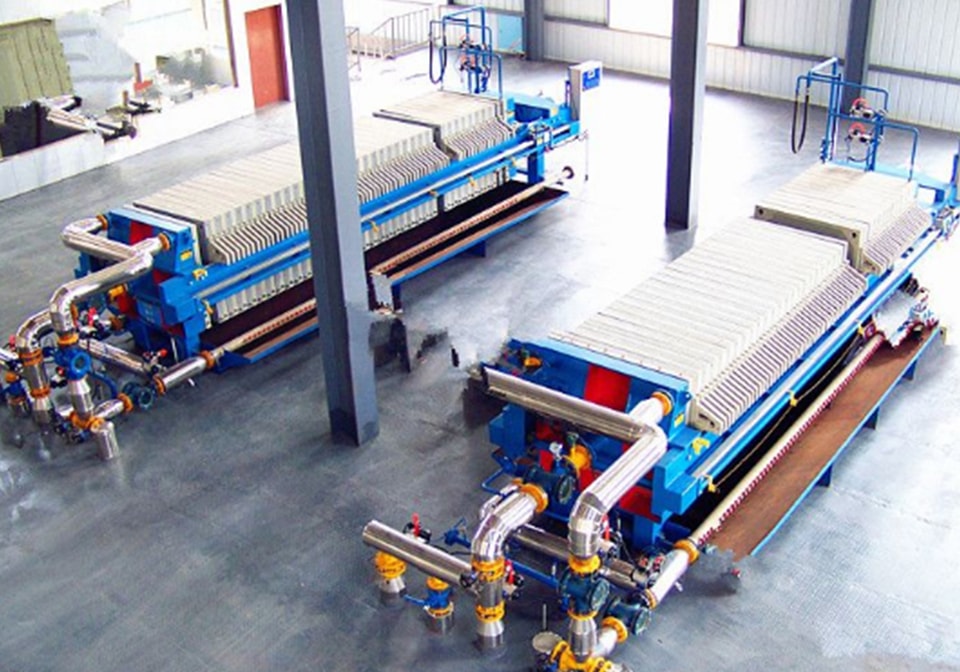
“More precise segmentation of market demand, addressing customers’ need for small variety oil projects.” “Small variety oils refer to oils produced utilizing special oilseeds, typically excluding major oilseeds. Oils from small variety oilseeds contain abundant unsaturated fatty acids, as well as a variety of micronutrients and bioactive substances. China has a wide range of special oilseed varieties, numbering over a hundred. Currently, the large-scale and developed ones include camellia seed oil, tea seed oil, flaxseed oil, safflower seed oil, grape seed oil, perilla oil, evening primrose oil, walnut oil, almond oil, pumpkin seed oil, sacha inchi seed oil, seabuckthorn oil, pine nut oil, and tomato seed oil; in addition, there are also grain oils such as rice bran oil, corn oil, and wheat germ oil.” Classification of Small Oil Equipment: Rice bran oil equipment Camellia oil equipment Flaxseed oil equipment Walnut oil processing equipment Peony seed oil equipment Safflower seed oil equipment Cottonseed oil equipment Rapeseed oil equipment Palm oil equipment Corn oil equipment Sunflower seed oil equipment Small variety oil refining production process: Super wet degumming processAutomatic bentonite automatic frequency metering processFully mixed negative pressure decolorization processHigh vacuum steam jet deodorization processFully automatic control processFrozen water vacuum system process
Hunan Jinhao Grain and Oil Industry Co., Ltd. 400T/D rapeseed oil refining and dewaxing project.
5/28, 2022
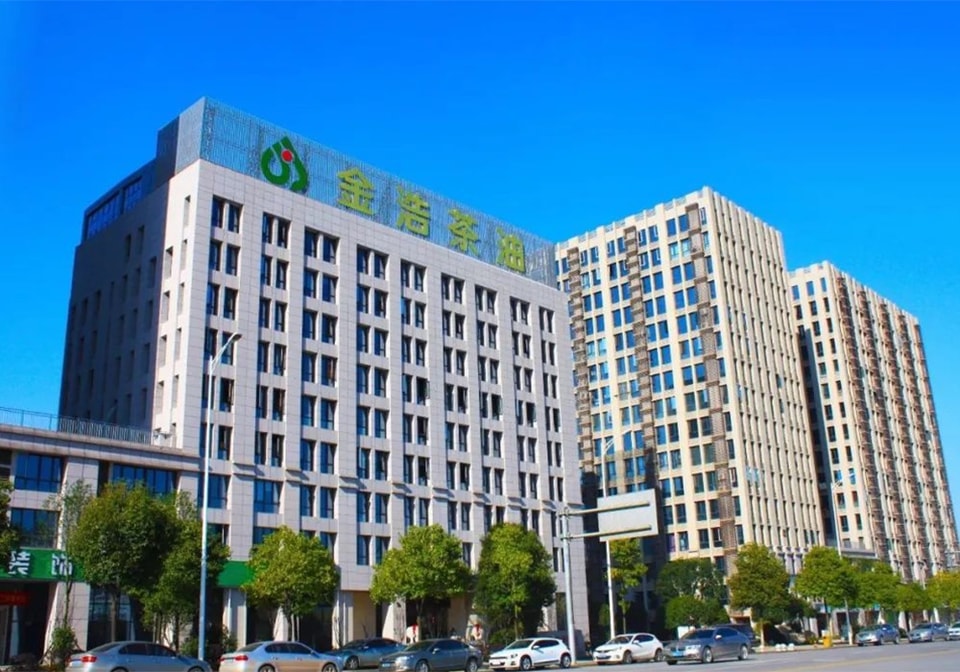
Hunan Jinhao Grain and Oil Industry Co., Ltd. has completed the installation of a 400T/D rapeseed oil refining and dewaxing project and entered the trial pressure stage. Hunan Jinhao Tea Oil Co., Ltd. is a modern private enterprise that integrates research, planting, production, and sales of high-end edible vegetable oils in the tea seed series. Jinhao Tea Oil has pioneered the Chinese tea oil industry, renowned for its 100% natural and nutritiou products, and has become an international benchmark in the tea oil industry. Zhengzhou Ocean has undertaken the 400T/D crude rapeseed oil refining and rapeseed oil dewaxing project for Hunan Jinhao Grain and Oil Industry Co., Ltd. Prior to the commencement of official production, on-site compression testing, pressure testing, leakage checks, and other inspections will be conducted to ensure the project operates normally and effectively. Plate heat exchanger for energy saving Pipeline gallery Self-control valve group for filter machine Automatic online proportioning of shearing pump with alkali liquor and water Centrifuge Deodorization tower extraction pump Steam depressurization system Bag filter Autonomous control valve group for wax removal filtration machine
New Shine 1000TPD Oil Refining and Fractionation Project
5/28, 2021
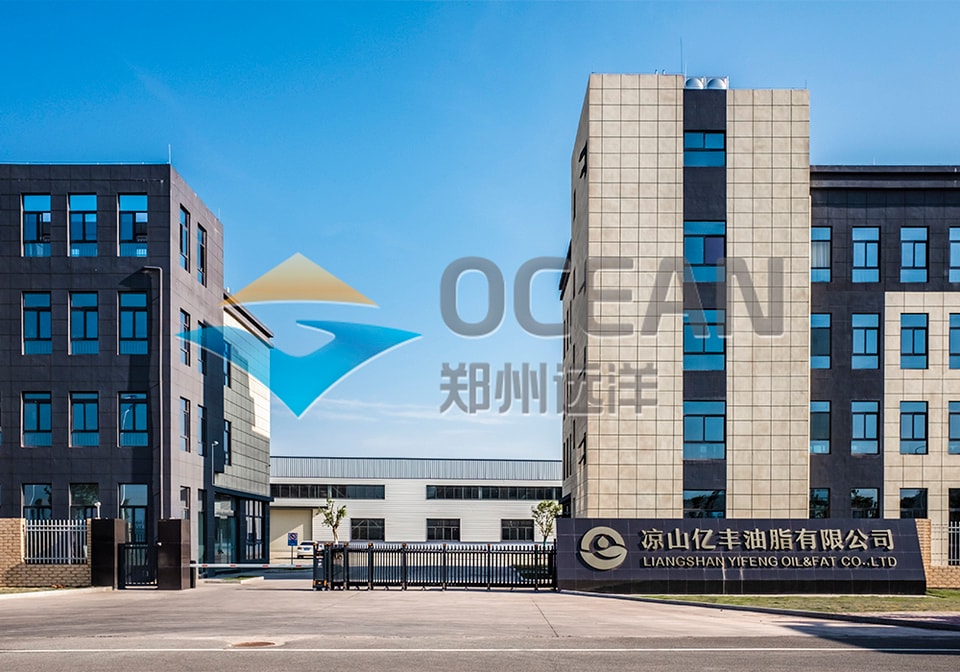
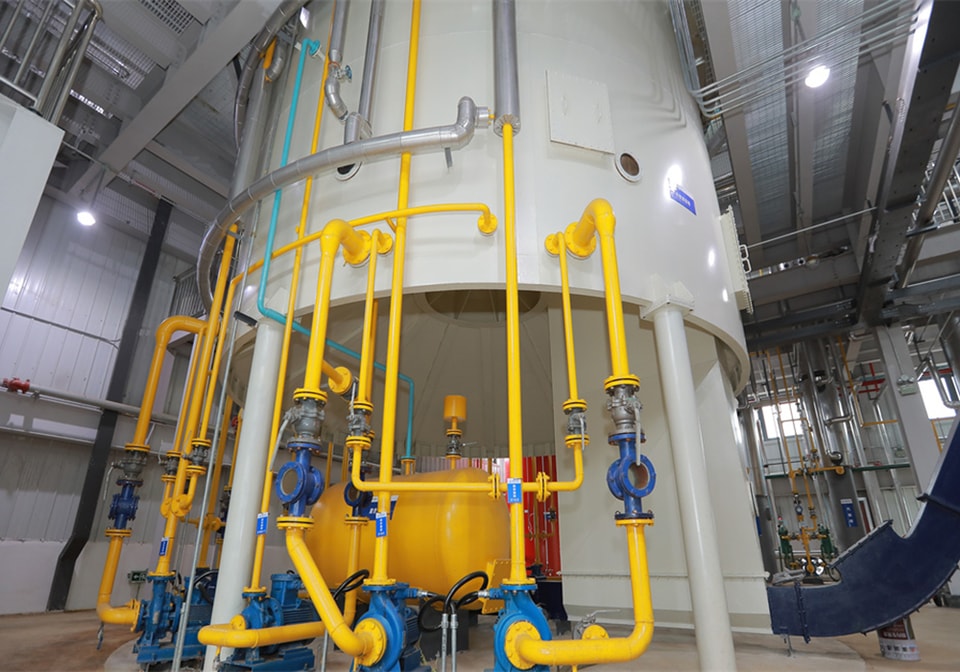
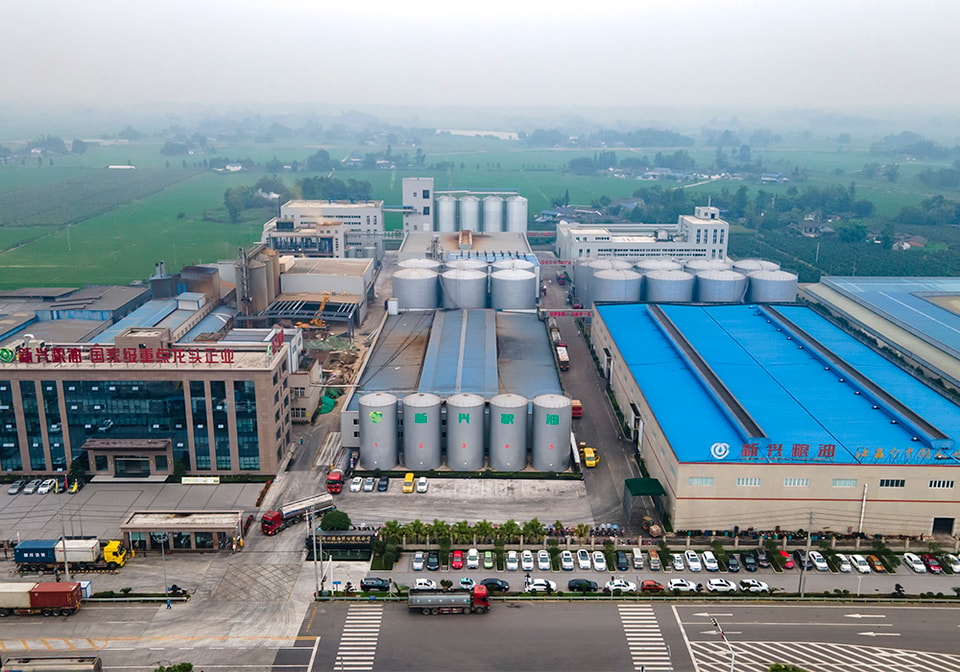
About Customer Established in 1994 and headquartered in Gaoheng Subdistrict, Qionglai City, Sichuan Province, New Shine Oil and Grain Co., Ltd. is a large-scale private edible oil enterprise with a registered capital of 100 million RMB. The company operates a fully automated production line (covering storage, pre-pressing, extraction, and refining) for rapeseed processing, supported by advanced testing equipment. It specializes in the integrated operations of rapeseed procurement, processing, and sales. The Challenges ● Nutrient loss (e.g., vitamin E, sterols) in conventional high-temperature alkali refining● Incomplete soapstock separation affecting oil quality.● High water consumption and wastewater treatment costs in traditional water-washing● Flavor and nutrient degradation in heat-sensitive oils● Excessive energy consumption in thermal deodorization.● High residual oil in spent bleaching earth (SBE), causing oil loss and Environmental compliance costs for SBE disposal.● High steam consumption and wasted energy from direct heat discharge, conflicting with carbon neutrality goals Our Solutions: ●Low-Temperature Long-Mix Continuous Alkali Refining Technology ● Physical Refining Technology ● Water-Free Soapstock Separation Technolgoy ● Freezing-Vacuum Deodorization Technology ● Decolorization Filtration & Cake-Blowing Steam Deodorization Technology ● Pre-Stripping & Post-Stripping Technology (Before & After Deodorization) ● Intelligent Combined Soft-Column Design ● Full Waste Heat Recovery & Utilization Technology ● Fully Automated Control System Results: ●Reduce energy consumption. Energy consumption benchmarks:• Steam: ≤32 kg/ton• Electricity: ≤22 kWh/ton• Natural gas: ≤2.9 m³/ton" ●Low cooling water circulation volume - Reduced steam consumption directly minimizes cooling water requirements. ● Minimal odor emission - direct freezing technology effectively eliminates vacuum system exhaust odors, enabling compliance with stringent environmental standards. ●Authentic aroma preservation - Zero flavor loss during production ● Crystal-clear stability - No sedimentation throughout shelf life ●Thermal resistance - Maintains clarity at 280°C with no blackening or precipitates ● Reduced labor costs and increased production efficiency



Copyright © Shanghai Singoo Information Technology Co., Ltd.