


Decanter Centrifuge
Provides continuous, efficient solid-liquid separation, removing sludge and water to protect downstream equipment and ensure process stability.
.png)
EN
Ocean's advanced UCO pre-treatment line is engineered to transform high-acid waste oils into stable, low-FFA feedstock ready for efficient biodiesel conversion. Our waste oil to diesel plant efficiently reduces FFA from over 50% to below 1% through a catalyst-free glycerin esterification process, eliminating acid waste discharge and minimizing energy consumption. This robust pretreatment solution ensures reliable, high-quality output for your downstream biodiesel production, enhancing overall plant efficiency and sustainability.
1.Pre-Treatment & Impurity Removal
The UCO pre-treatment line begins with the removal of solid particles, water, and hydratable gums through filtration and centrifugation. To address non-hydratable phospholipids and metal ions, citric acid and caustic are introduced. Soapstock and impurities are then separated via disc centrifugation, ensuring the UCO pre-treatment line delivers clean feedstock for deep purification.
2.Adsorption & Deep Purification
The UCO pre-treatment line dries and heats the degummed oil under controlled conditions. After reaching the required temperature, the waste oil to diesel plant mixes the oil with adsorbent in a vacuum environment to remove residual pigments, trace metals, and other deep impurities. Ocean’s waste oil to diesel plant separates the spent adsorbent using vertical leaf filters and bag filters, ensuring the processed oil meets the clarity and purity standards required for downstream biodiesel or renewable fuel reactions.
3.Catalyst-Free Glycerin Esterification
The waste oil to diesel plant feeds purified high-acid oil into enamel reactors and utilizes biodiesel by-product glycerol as the esterifying agent. By eliminating external catalysts, it efficiently converts Free Fatty Acids (FFA) into glycerides, reducing FFA levels from over 50% to below 1%. The waste oil to diesel plant removes generated water and volatiles under vacuum, driving the reaction to completion and yielding pretreated oil that can directly proceed to transesterification.
4.Final Refining & Product Stabilization
The UCO pre-treatment line heats the deacidified oil and sending it into the deodorizer under a high-vacuum environment. In this stage, the UCO pre-treatment processing machinery uses steam stripping to remove odorous compounds and trace volatiles that affect fuel quality. After deodorization, the waste oil to diesel plant cools the oil, conducts polishing filtration, and discharges it as a stable, low-FFA feedstock suitable for biodiesel production.
Proven Deacidification Performance
Our plant reliably processes 50-1000 MT/day of high-acid waste oil, consistently reducing FFA from over 50% to below 1%, creating optimal feedstock for biodiesel production.
Catalyst-Free & Sustainable Process
The core esterification technology is designed to utilize biodiesel’s glycerol by-product as the esterifying agent, eliminating the need for external catalysts and minimizing chemical waste.
Strict Quality Assurance
With ISO-certified management across design, materials, fabrication, and testing, we ensure every pretreatment line meets rigorous standards for durability and long-term operational stability.
Complete Lifecycle Service
From engineering consulting to commissioning and technical support, Ocean provides full-service coverage, ensuring your waste oil to diesel plant operates at peak efficiency.
Ocean's pretreatment line is designed for challenging high-FFA feedstocks, including used cooking oil (UCO), recovered oils from palm oil mill effluent (POME), acid oils from refining, and animal fats. By converting these high-acid waste streams into usable biodiesel feedstock, our UCO pretreatment solution not only ensures a stable, economical raw material supply but also significantly reduces environmental disposal burdens and supports a sustainable circular energy system.
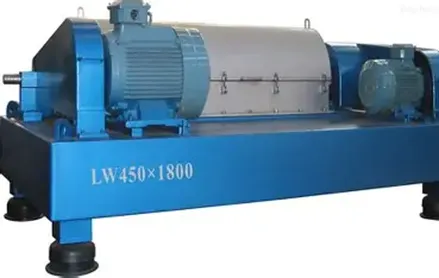
Provides continuous, efficient solid-liquid separation, removing sludge and water to protect downstream equipment and ensure process stability.
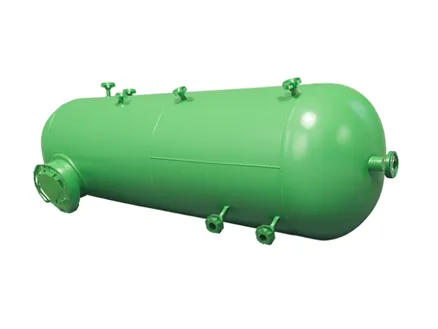
Utilizes specialized adsorbents to remove pigments, metal ions, and other deep impurities, crucial for protecting catalysts in downstream biodiesel units and ensuring final fuel quality.
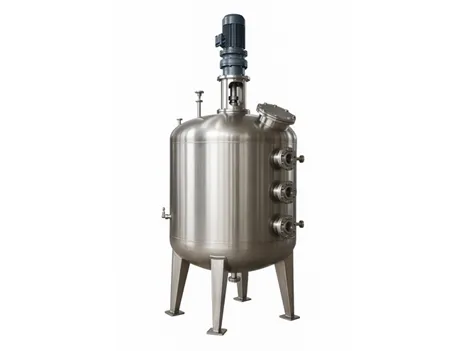
The key equipment for the catalyst-free glycerin esterification process. Its corrosion-resistant enamel interior withstands the high-acid environment, enabling efficient FFA reduction to prepare ideal biodiesel feedstock.
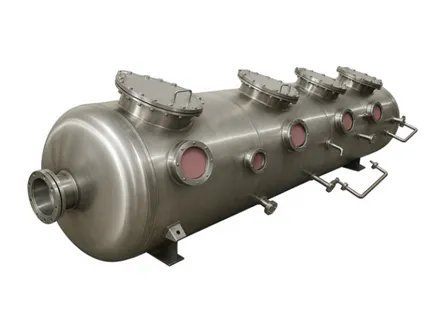
Removes odorous compounds and volatile impurities through steam stripping under high vacuum, stabilizing the pretreated oil and ensuring it meets quality specifications.
1
ECO 100TPD UCO Pretreatment Plant
2
ECO 600TPD UCO Pretreatment Plant
3
Tianjin 600TPD UCO Pretreatment Plant
4
Indonesia 70TPD UCO Pretreatment Plant
Q.Why is pretreatment necessary for waste oil before making biodiesel?
A: High acid value in waste oils like UCO or acid oils interferes with the standard alkaline transesterification process, causing soap formation and low yields. Pretreatment reduces FFA to acceptable levels, creating stable feedstock for efficient biodiesel conversion.
Q.What after-sales services does Ocean provide?
A: We offer comprehensive support including installation supervision, commissioning, operator training, preventive maintenance plans, remote technical assistance, and genuine spare parts supply to ensure your plant's long-term reliability and performance.
Q.What is unique about Ocean's glycerin esterification process?
A: Our process uses glycerol (a biodiesel by-product) to esterify FFA without adding external chemical catalysts. This eliminates catalyst cost and waste, simplifies operations, and integrates seamlessly into the biodiesel production cycle, making it more economical and sustainable.
Q.How does Ocean ensure UCO pretreatment processing machinery quality for such corrosive service?
A: For critical components like reactors handling high-acid oils, we use premium corrosion-resistant materials such as enamel-coated steel. Our quality system covers design, material selection, welding, and rigorous testing to guarantee durability and a long service life.
Product Information
Quantity
Unit
Piece
Support order samples, customization, wholesale direct, and complete payment. If the product you look for does not have corresponding customized content, pls fill out the form below to contact us, and we will reply ASAP.