.jpg?x-oss-process=image/resize,w_600/quality,q_100)


Crystallizer
Specifically designed for dewaxing and winterization, ensuring precise temperature control and uniform crystal growth for efficient separation.
.png)
EN
Dewaxing and winterization are specific applications of fractionation technology. Dewaxing primarily targets the removal of natural waxes from high-wax oils (e.g., rice bran, sunflower oil), while winterization focuses on removing high-melting-point triglycerides from oils like cottonseed, corn, and rapeseed oil to ensure cold clarity. Both processes are designed to resolve cloudiness and sedimentation issues at low temperatures, thereby enhancing cold stability and shelf life. Ocean's Dewaxing & Winterization Production Line provides customized solutions for these applications, serving oils such as rice bran, sunflower, cottonseed, corn, and rapeseed oil. This is distinct from the general fractionation of oils like palm oil or beef tallow. The core value of this solution lies in its ability to precisely remove these specific impurities through physical means, resulting in crystal-clear finished oil with excellent low-temperature performance.
Dewaxing
For high-wax oils like rice bran and sunflower oil, this process involves precisely controlled cooling crystallization to solidify natural waxes, followed by efficient filtration to separate them, yielding clear dewaxed oil with enhanced clarity and sensory quality.
Winterization
For oils like corn and rapeseed oil, this involves programmed deep cooling to crystallize high-melting-point triglycerides. These crystals are then efficiently separated under pressure using a membrane filter press, significantly improving the oil's stability and resistance to clouding at low temperatures (e.g., 0°C).
1.Preheating & Melting
Refined vegetable oil (e.g., rice bran oil) is first heated to ensure all waxes are completely melted, guaranteeing a uniform liquid phase for subsequent crystallization.
2.Precision Crystallization
In the crystallizer, the oil is slowly and uniformly cooled according to a pre-set cooling profile to the target temperature (e.g., typically 20-30°C for rice bran oil). Precise control is critical to form wax crystals of optimal size and filterability.
3.Crystal Aging
The oil is held at the target temperature for a set period ("aging"). This step strengthens crystal structure and increases particle size, preparing the slurry for efficient filtration.
4.Efficient Separation
Advanced membrane filter presses are used to completely separate the solid wax crystals from the clear liquid oil, yielding brilliantly clear oil and collecting the wax by-product.
1.Programmed Deep Crystallization
For oils like corn and rapeseed oil, a deeper, multi-stage programmed cooling curve is executed in the crystallizer to fully precipitate high-melting-point triglycerides (stearin) as stable solid crystals.
2.Enhanced Separation
After crystal maturation, membrane filter presses apply higher pressure for solid-liquid separation. This ensures thorough separation of the liquid oil (olein) from solid stearin, maximizing the yield and purity of the liquid fraction.
3.Crystal Stabilization
Allows complete crystal growth and firming at the target temperature.
4.High-Pressure Filtration
Membrane filter presses apply significant pressure to effectively separate the liquid olein from the solid stearin cake, maximizing yield and purity.
5.Dual-Product Output
High-quality liquid Olein and solid Stearin, each with distinct market applications.
Proprietary One-Step Technology
For challenging oils like rice bran oil, Ocean's patented technology integrates dewaxing and winterization into a single, efficient process that eliminates the need for filter aids, simplifying operations, reducing consumable costs, and enhancing overall yield.
Exceptional Cold Stability
Processed oils, particularly rice bran oil, consistently maintain perfect clarity for over 48 hours at 0°C, meeting stringent quality requirements for premium markets.
Energy-Efficient & Sustainable
The system features integrated heat recovery and optimized process cycles, significantly reducing thermal energy consumption and operational costs.
Tailored & Validated
Process testing can be conducted using our pilot-scale units for specific oil types, and we offer full-chain services from process design to equipment manufacturing.
This line is specifically engineered for high-wax vegetable oils, with optimal compatibility for: Rice bran oil, Sunflower oil, Cottonseed oil, Corn oil, and Rapeseed oil. Customized process development is available for other specialty oils based on client requirements.
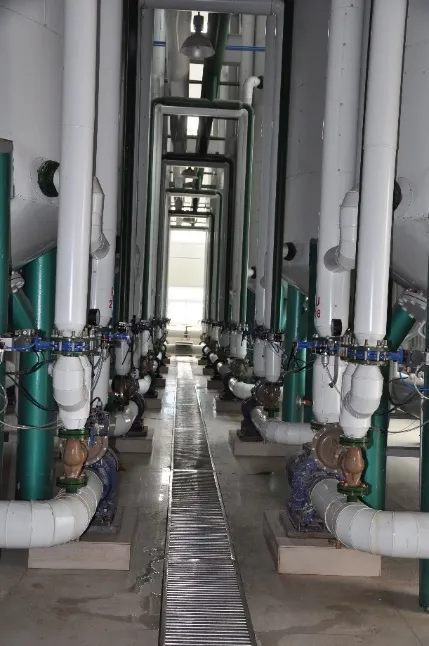
Specifically designed for dewaxing and winterization, ensuring precise temperature control and uniform crystal growth for efficient separation.
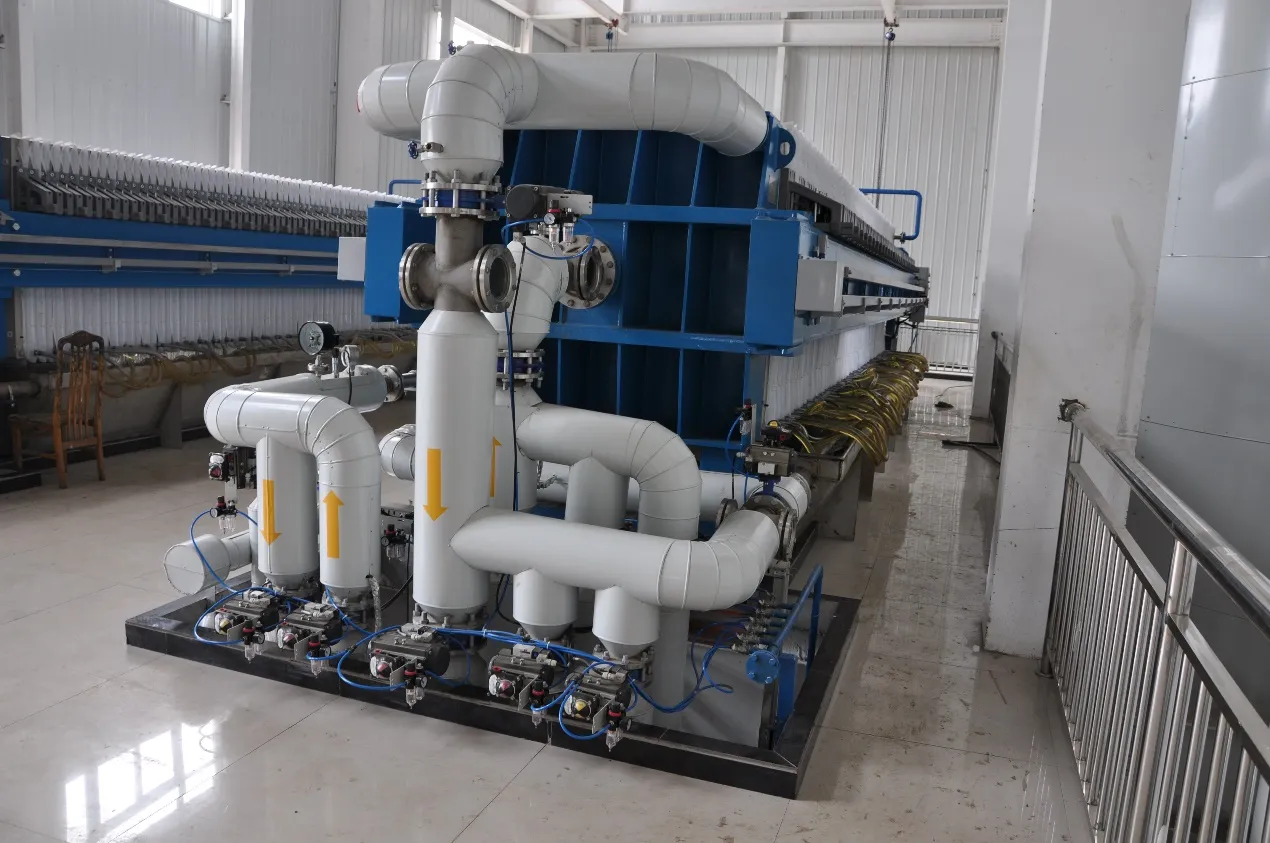
As the core solid-liquid separation equipment, it uses membrane squeezing and high-pressure filtration to significantly reduce oil content in the filter cake, maximizing the yield of the target product (clear oil).
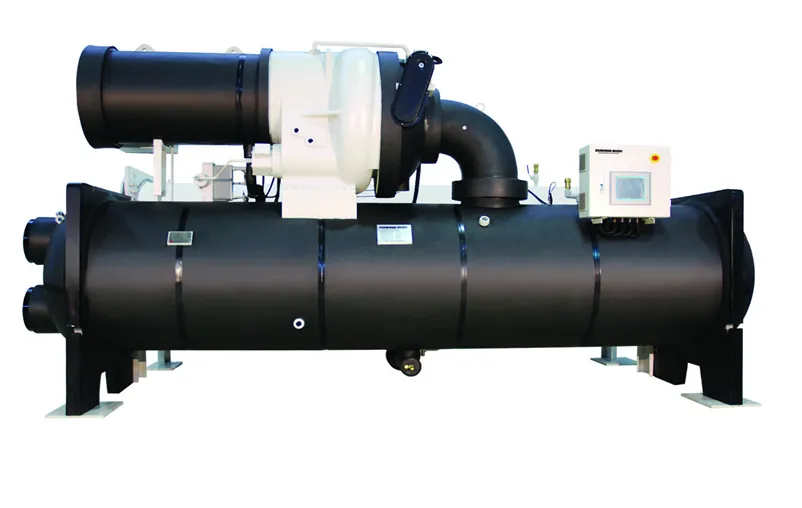
Provides a stable and precise low-temperature coolant source essential for the crystallization phase, guaranteeing consistent process results.
1
Newshine 450 TPD Refining, Dewaxing & Winterization Line
2
Xinshi 400 TPD Refining & Dewaxing Line
3
Pingpinghao 400 TPD Refining, Dewaxing & 600TPD Winterization Line
4
Ethiopia Phibela 600 TPD Refining, Dewaxing & 800 TPD Winterization Line
5
Lianglong 400 TPD Refining, Dewaxing & Winterization Line
6
Golden Sun 400 TPD Refining & Dewaxing Line
7
Liangyou 400 TPD Corn Germ Oil Refining & Dewaxing Line
8
Wilmar Taizhou 250 TPD Rice Bran Oil Refining & Dewaxing Line
9
Wilmar Wuhan 250 TPD Rice Bran Oil Refining & Dewaxing Line
10
Jiangsu Yangtze 400 TPD Refining, Dewaxing & 600 TPD Winterization Line
11
COFCO Donghai 100 TPD Refining & Dewaxing Line
Q.How do cooling rate and crystallization temperature affect dewaxing/winterization performance?
A: Cooling rate directly impacts crystal size and filtration efficiency. If cooling is too rapid, numerous fine and unstable crystals may form, which block the filter media and make filtration difficult. If cooling is too slow, production efficiency decreases. Industry experience indicates that a cooling rate of 0.5–2°C per hour helps form uniform, easily filterable crystals. The final crystallization temperature depends on the oil type and target product: sunflower oil dewaxing typically requires cooling to 5–10°C, similar for rice bran oil. For winterization of corn oil or cottonseed oil, cooling to 0–10°C is necessary to fully crystallize high-melting-point triglycerides.
Q.Can Ocean guarantee the cold stability of the final oil?
A: Yes. Oils processed through our line, particularly rice bran oil, consistently exceed industry standards. We guarantee the refined oil maintains perfect clarity for over 48 hours at 0°C.
Q. What economic value do wax by-products or stearin by-products offer?
A: Wax by-products (such as rice bran wax and sunflower wax) from the dewaxing process can be refined to produce food-grade polishes, cosmetic raw materials, and premium wax products with significant added value. Stearin by-products (high-melting-point triglycerides) from winterization can serve as base stocks for margarine, shortening, and stearic acid production. The rational utilization of these by-products can further enhance the overall economic benefits of the production line.
Q. What is the unique advantage of Ocean's process for rice bran oil?
A: For challenging oils like rice bran oil, our patented one-step dewaxing and winterization technology achieves high clarity without the need for filter aids, reducing consumable costs and operational complexity.
Product Information
Quantity
Unit
Piece
Support order samples, customization, wholesale direct, and complete payment. If the product you look for does not have corresponding customized content, pls fill out the form below to contact us, and we will reply ASAP.