Fatty Acid Production Solutions

Fatty acids are the cornerstone of the oleochemical industry, and their production line is the central, highly engineered heart of a modern chemical plant. The process is mature, efficient, and designed for large-scale, continuous output of high-purity products. Ocean's fatty acid production solutions leverage mainstream, industrial-proven technologies, primarily continuous high-pressure hydrolysis, to convert raw fats and oils into essential industrial ingredients. Our systems are engineered for maximum yield, energy efficiency, and automated, stable operation.

Key Process of Fatty Acid Production


1.Raw Material Pretreatment Section

Prepared oils and fats are filtered, blended for consistency, and preheated to the optimal temperature. This stage ensures a uniform, clean feedstock is delivered to the core reactor for efficient and stable hydrolysis.

2.High-Pressure Continuous Hydrolysis Section

This is the heart of the process. Pre-treated feedstock enters a high-pressure hydrolysis tower where it reacts counter-currently with high-pressure hot water at temperatures of 250-260°C and pressures of 5.0-6.0 MPa. Using a catalyst, triglycerides are split into fatty acids and glycerol. The hydrolysis rate exceeds 98%. Crude fatty acid is drawn from the top, while glycerol-rich "sweet water" is extracted from the bottom for recovery.

3.Fatty Acid Distillation & Refining Section 

Crude fatty acid is first dehydrated and then enters a high-vacuum distillation system, typically featuring a falling film evaporator and fractionating column. Here, pure fatty acids are separated from high-boiling residue ("foots") under precise temperature and vacuum control. An optional fractionation stage can separate mixed acids into high-purity individual components like stearic or oleic acid.

4.Glycerol Recovery Section (By-Product)

The sweet water from hydrolysis undergoes purification, multi-effect evaporation, and vacuum distillation to recover high-value, refined glycerol (≥99.5% purity). This transforms a process stream into a profitable co-product.

5.Product Forming & Packaging Section

Final fatty acid products are cooled. Liquid products are stored in insulated tanks for bulk shipment. For solid products like stearic acid flakes, molten acid is crystallized on a flaking belt cooler or pastillator and then automatically packaged.

Key Advantages


High Efficiency & Yield

The continuous high-pressure hydrolysis process achieves conversion rates over 98%, ensuring maximum raw material utilization and high daily output capacity.

Advanced Energy Integration

The plant design features extensive heat recovery networks. Waste heat from distillation, condensation, and cooling phases is recaptured to preheat feedstock and utilities, significantly reducing steam and fuel consumption.

Full Automation & Precise Control

A centralized DCS/PLC system monitors and controls all critical parameters—temperature, pressure, flow, and level—ensuring consistent product quality and safe, labor-efficient operation with minimal manual intervention.

Comprehensive Product Range

The integrated distillation and optional fractionation systems allow for flexible production, from standard industrial mixed acids to high-purity, separated fatty acids, catering to diverse market needs.

Raw Materials 

Our fatty acid production lines are designed to process a wide variety of animal and vegetable-based raw materials efficiently. Key feedstocks include beef tallow, mutton fat, palm oil, Palm Fatty Acid Distillate (PFAD), soybean oil, rapeseed oil, sunflower seed oil, corn oil, used cooking oil, acidulated oil, etc.

Main Equipment

Thin-Film Evaporator

The thin-film evaporator is a key component for the gentle and efficient separation of heat-sensitive fatty acids. In this unit, material is distributed as a thin, turbulent film over a heated surface, allowing rapid evaporation under high vacuum with very short residence time. This design prevents thermal degradation, preserves product color and quality, and is ideal for separating light fatty acids from high-boiling residues or for final polishing of heat-labile products. It is often used in conjunction with distillation columns for high-purity fatty acid production.

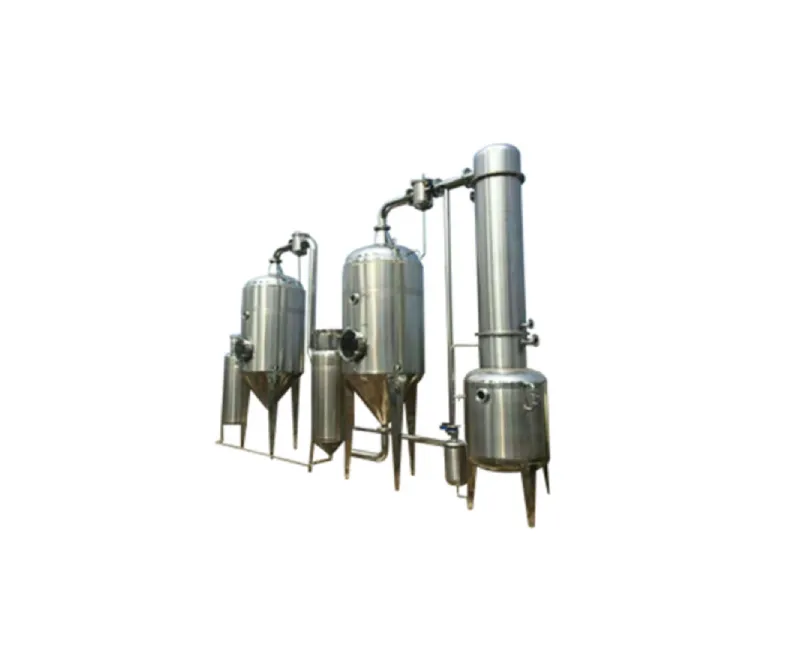
Multi-Effect Evaporator

The multi-effect evaporator is a highly energy-efficient system designed for concentrating glycerol-water solutions (sweet water) from the hydrolysis process. It operates by cascading vapor from one effect to the next as a heating source, significantly reducing fresh steam consumption. Typically configured with three or four effects, the system progressively increases glycerol concentration to over 80% while minimizing thermal degradation. Constructed in corrosion-resistant stainless steel, it features automatic level and pressure controls to ensure stable, continuous operation with maximal heat recovery.

FAQ

  • Q.What are the key factors for product quality?

    • A:Critical factors include feedstock consistency, precise control of hydrolysis temperature/pressure, and the efficiency of the high-vacuum distillation system to remove odors, colors, and impurities.


  • Q.Is glycerol recovered?

    • A: Absolutely. Glycerol recovery is a standard and economically important part of our design. We provide complete systems to purify sweet water into commercial-grade refined glycerol (99.5%+).