.png)
EN
Documentary of Zhengzhou Ocean Yihai Rice Bran Oil Project.
Jun 01, 2020
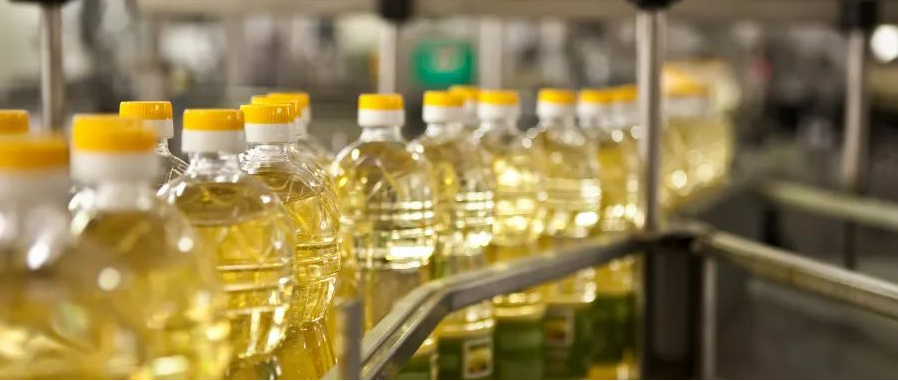
During the Dragon Boat Festival, it is also the season of harvest. Rice, the most important cereal crop in Asia and even the world, is known as the “gifted source of nutrition.” Rice bran oil uniquely contains oryzanol, plant sterols, vitamin E, and other nutrients far exceeding those found in other edible oils. 64% of the nutrients in rice are located in the bran and germ, with approximately 60% of the nutrients stored in the endosperm layer and germ (rice germ). Rice bran oil has a balanced ratio of saturated fatty acids, monounsaturated fatty acids, and polyunsaturated fatty acids close to 1:1:1, meeting the recommended standards of the World Health Association and is a high-quality natural and healthy cooking oil.
Currently, rice bran oil is extracted from the bran and germ, requiring 150 kilograms of rice to produce 1 liter of top-grade rice bran oil. Additionally, rice bran oil has a higher smoke point compared to other household cooking oils, resulting in less smoke during frying and cooking, and more nutritional benefits.
Zhengzhou Yuan Yang has undertaken the Yihai Kerry rice bran oil refining project, which is one of the leading projects in the industry and has become a classic case in the oil and fat industry.
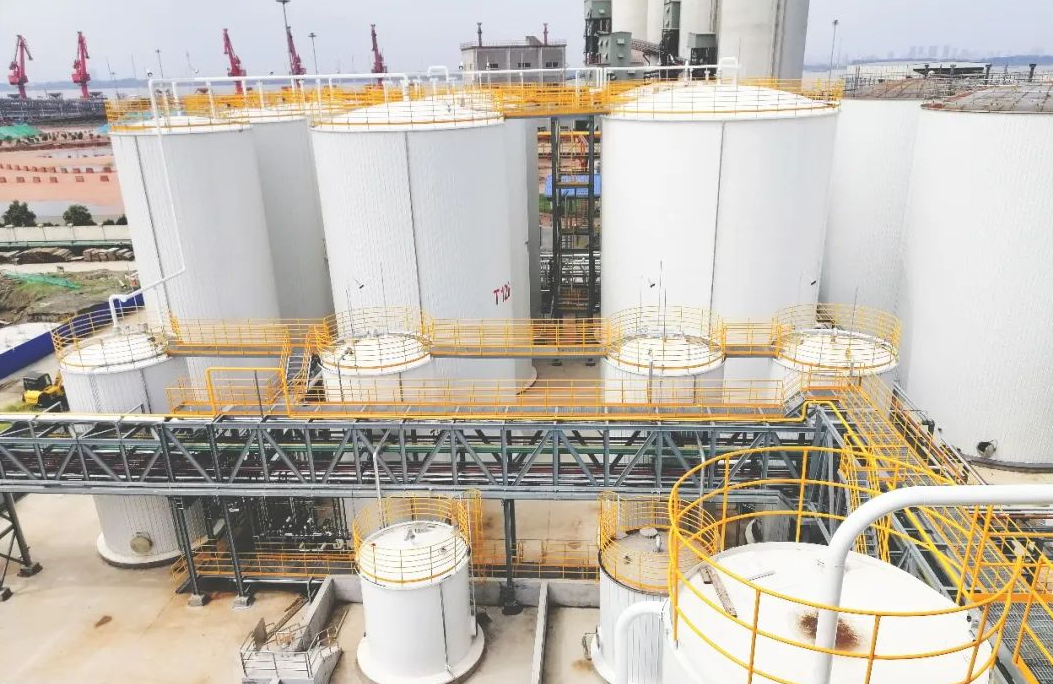
Yihai Kerry Group is a collective term for the grain and oil food processing and sales businesses invested in mainland China by Singapore’s Wilmar International Group. It mainly engages in oilseed pressing, edible oil refining, specialty fats, oil technology, corn deep processing, wheat deep processing, soybean deep processing, rice circular economy, food raw materials, grain and oil technology research and development, among other industries. Yihai Kerry owns well-known brands such as “Jinlongyu,”“Olivivi Lan,”“Hujihua,”“Xiangmanyuan,”“Haihuang,”“Fengyuan,”“Jinwei,”“Ruilong,”“Jiejing 100,” covering a wide range of products including small-packaged edible oils, rice, flour, noodles, rice noodles, soy milk, commercial grain and oil, food raw materials, oil technology, and many other fields.
Rice bran oil processing
Enzymatic degumming
Enzymatic degumming, as a new type of plant oil degumming technology, has gained attention in the oil processing industry worldwide due to its economic and environmental advantages compared to traditional degumming processes. It offers benefits such as more complete degumming, lower water usage and waste water discharge, lower energy consumption, and higher refining yield. With the development of enzymatic degumming technology, various phospholipases (A1, A2, B, C) have been applied to plant oil degumming. The process has evolved from optimizing basic parameters (degumming temperature, enzyme dosage, pH value, and water addition) to enhancing degumming efficiency by combining acid pretreatment, water-enzyme mixing, and oil-fats blending, transitioning from single-enzyme degumming to complex enzyme degumming, and from free enzyme degumming to immobilized enzyme degumming.
Decolorization and deacidification
Decolorization: Crude oil contains chlorophyll, carotene, and other pigments. Chlorophyll acts as a photosensitizer, affecting oil stability, while other pigments affect the appearance of the oil. Several adsorbents can be used in proportion to remove these pigments.
Deacidification: Free fatty acids influence oil stability and flavor. Physical deacidification methods are used to eliminate free fatty acids, minimizing neutral oil losses.
Dewaxing and degreasing, followed by decolorization and deodorization
Levels 1 and 2 rice bran oil standards require dewaxing and degreasing procedures. Wax is present in many edible fats and oils, such as rice bran oil, sunflower oil, and safflower oil, with varying content ranging from trace amounts to 0.2%. Dewaxing aims to improve the oil’s refrigeration stability and transparency, typically reducing wax content to below 10 ppm. High-grade edible rice bran oil also requires degreasing followed by multiple steps of decolorization and deodorization to achieve optimal taste, nutrition, and quality.
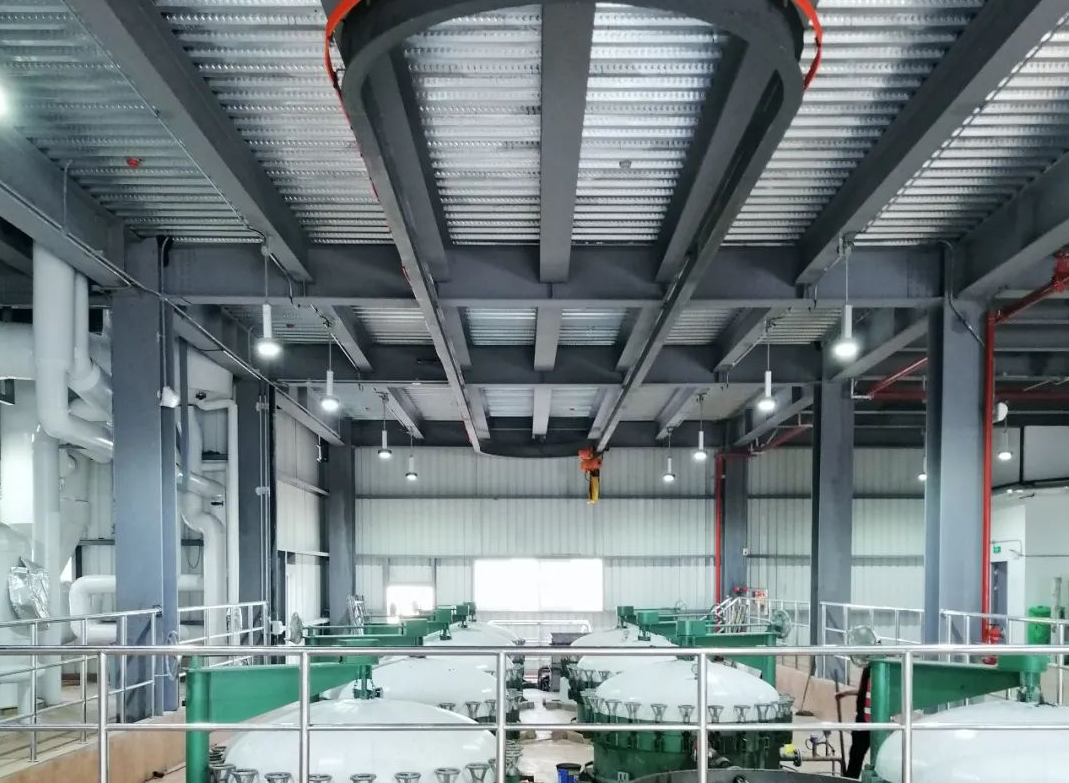
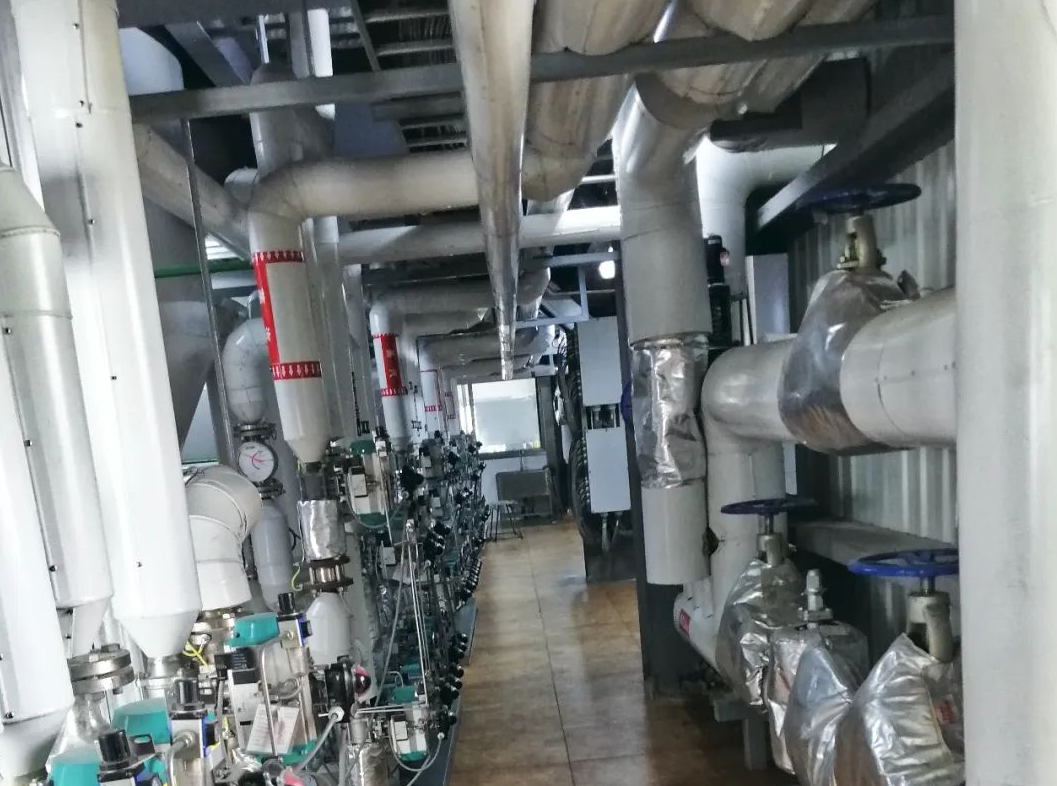
Characteristics of rice bran oil processing:
1.In the degumming process, high-efficiency oil enzyme mixers and a unique deep enzymatic method are utilized to maximize the removal of gums from rice bran oil, reducing the phosphorus content to as low as 25ppm. This ensures smooth progression in subsequent stages, reduces the consumption of bleaching earth, and enhances the refining efficiency.
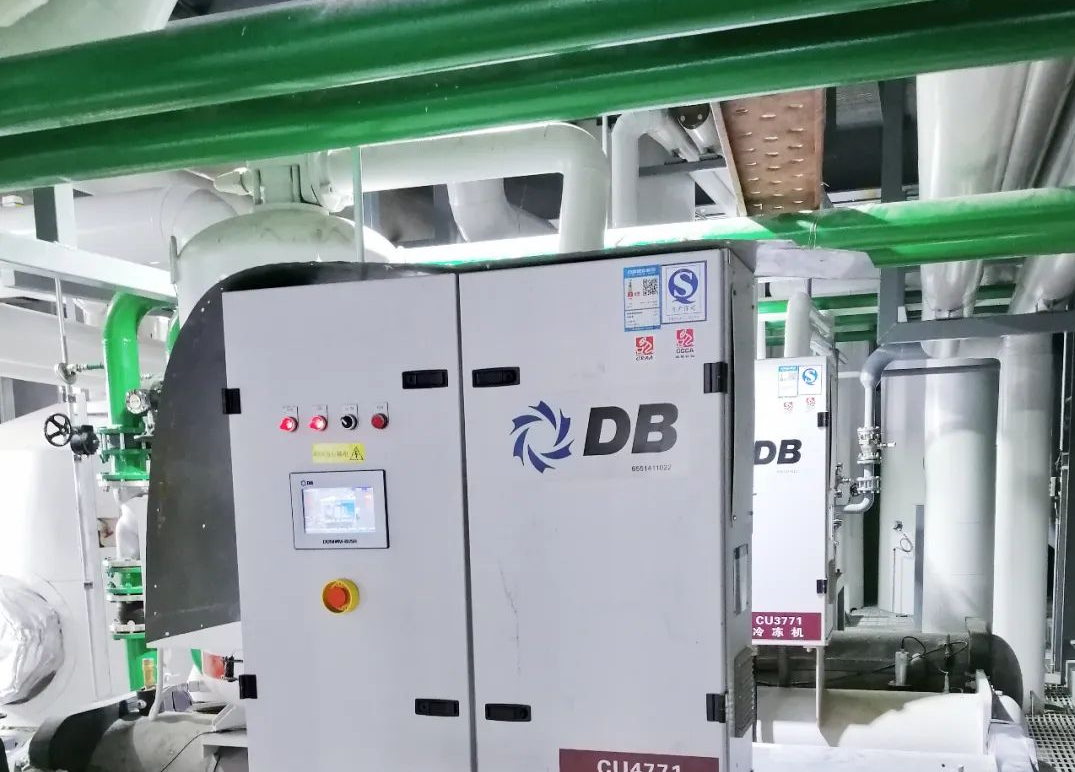
2.This refining process ensures the maximum retention of rice bran oil’s oryzanol content (oryzanol ≥ 23,000ppm), improving the refining efficiency and reducing losses by approximately 15%.
3.This refining process optimizes and considers the characteristics of rice bran oil (high acidity and difficult color removal) in the selection of process schemes and equipment configuration, producing high-quality rice bran oil (AV≤0.1, R≤3.5).
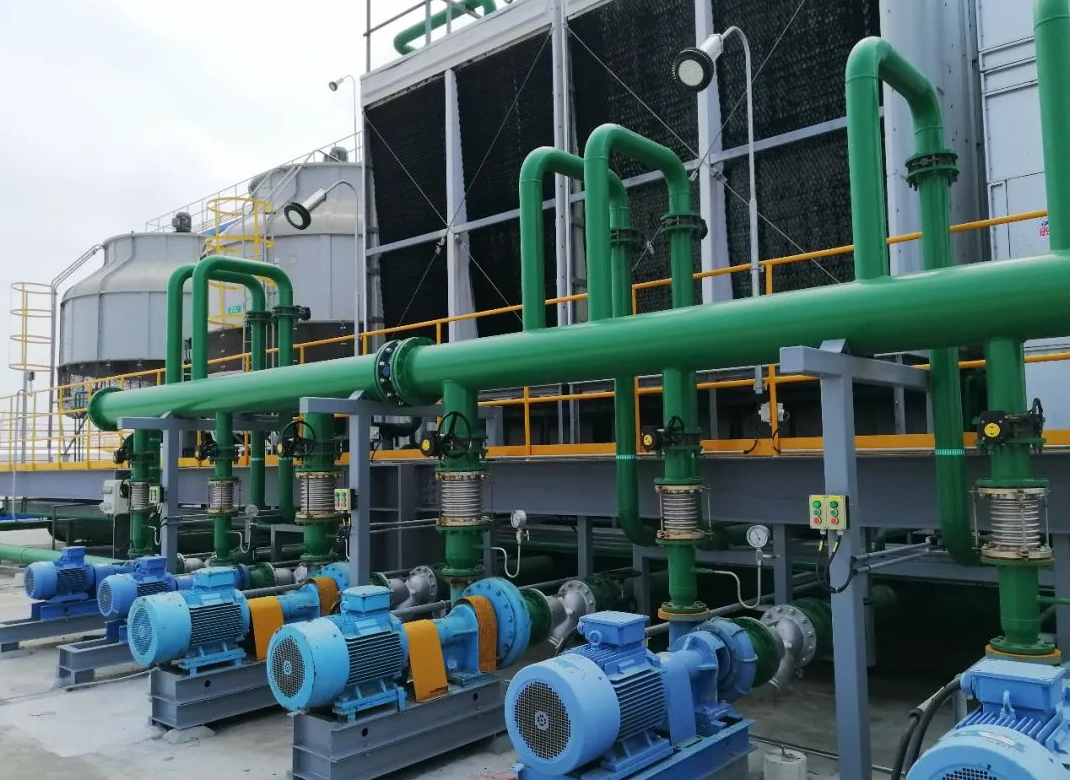
4.Adoption of Cold Vacuum and Energy-saving Deodorization Technology
Characteristics: The cold water and volatile components do not directly contact each other. Low-temperature cold water is used to reduce steam consumption by two-thirds, achieving energy-saving and consumption reduction (steam consumption ≤ 49kg/ton of oil); due to the vacuum system being in a fully sealed state, no longer evaporating externally through a cooling tower, but rather completely condensing odorous components such as fatty acids in the cold water, ensuring no pollution to the air and meeting environmental requirements.

5.Deodorization Technology for Steam from Decolorization Filter Cake to Meet Environmental Requirements
Characteristics: In conventional processes, the steam from decolorization filter cake is directly discharged into the atmosphere, emitting unpleasant odors. This technology utilizes low-temperature condensation to condense this steam and prevent air pollution.
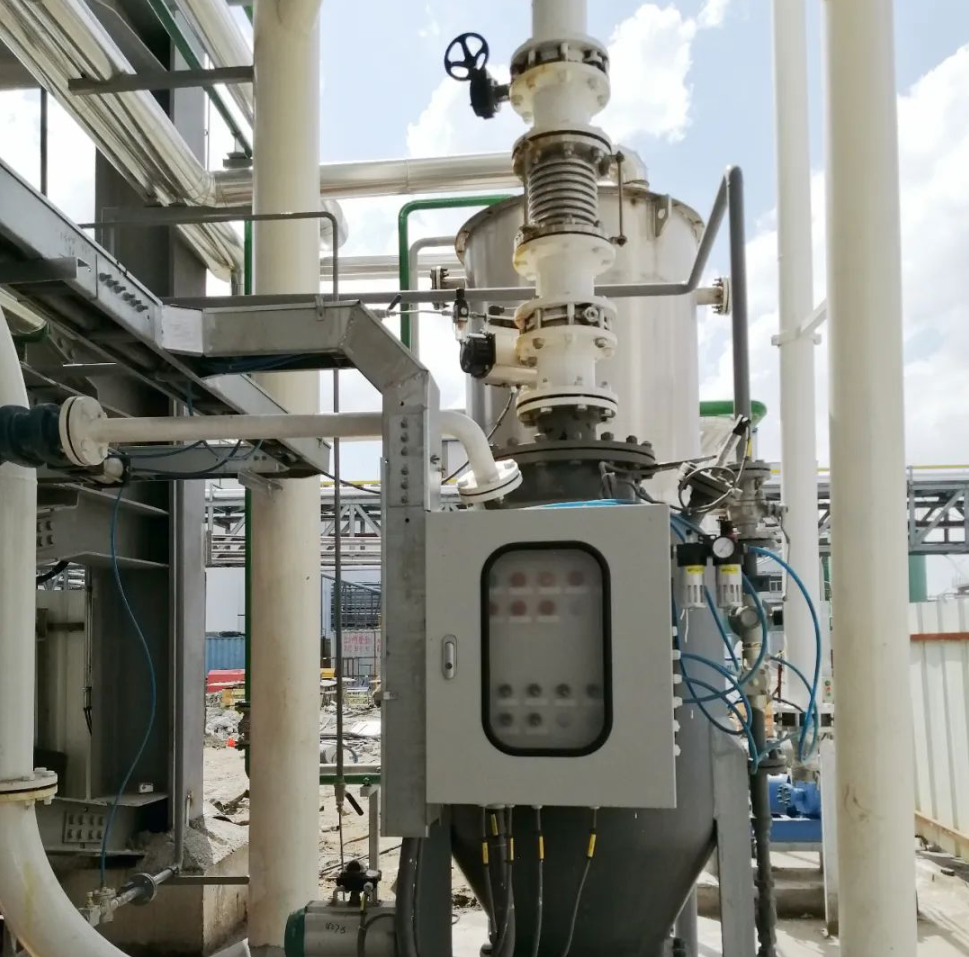
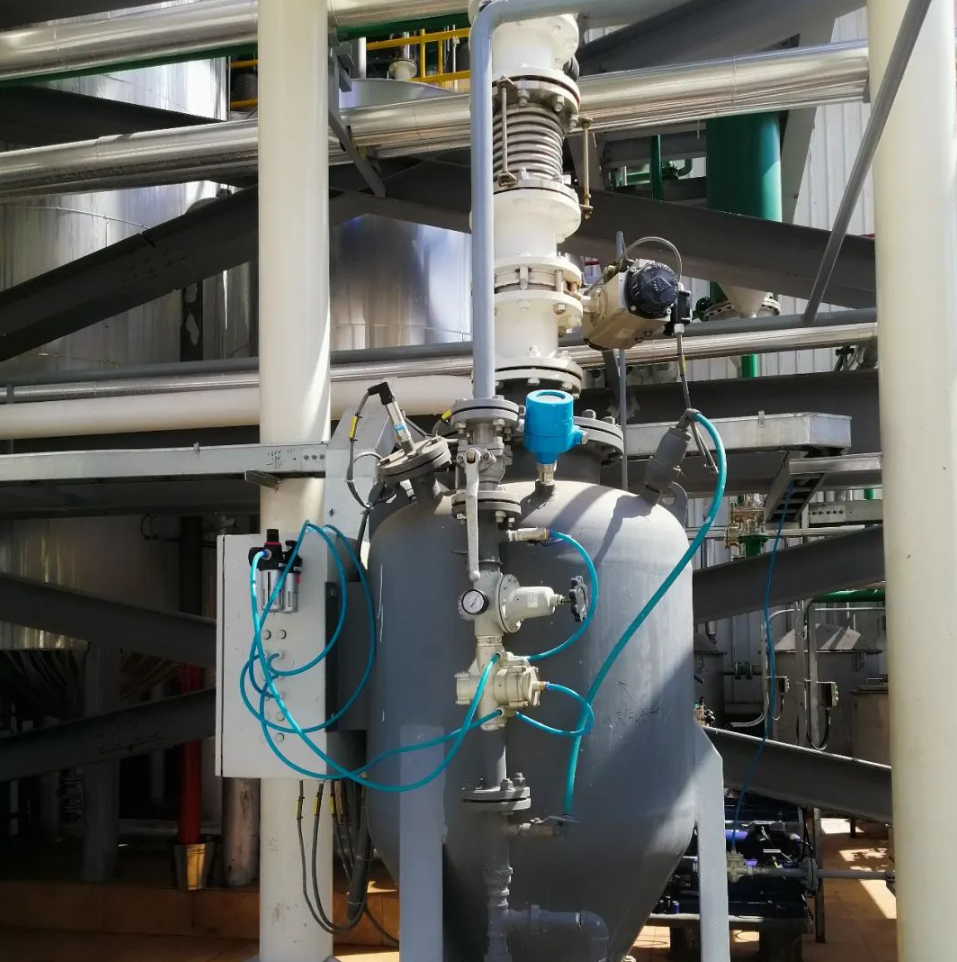
6.Automatic Addition of Bleaching Earth Process and Automatic Loading Device for Waste Bleaching Earth
Characteristics: Reduce manual labor intensity, beautify the production environment, and improve production efficiency.
7.One-time removal of wax and fats from rice bran oil reduces energy consumption and material loss caused by segmented removal, decreases refining losses by approximately 1.5%, and ensures cake residual oil is ≤35%.
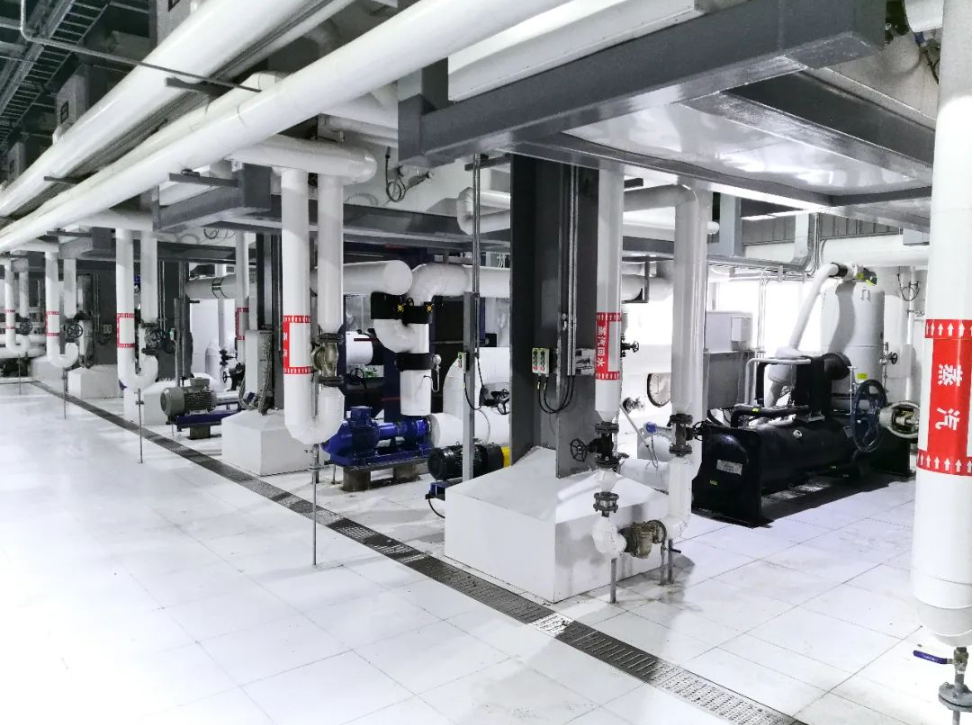
8.The two-tower dual-temperature segmented deodorization process is adopted, with the deodorization tower using a combination structure of SS316 structured packing tower and plate tower. The deodorization time does not exceed 65 minutes, the trans-fatty acid content in deodorized oil is <1, the physical deacidification effect is good, and the capture rate of distillates from the deodorization tower is ≥99.5%.
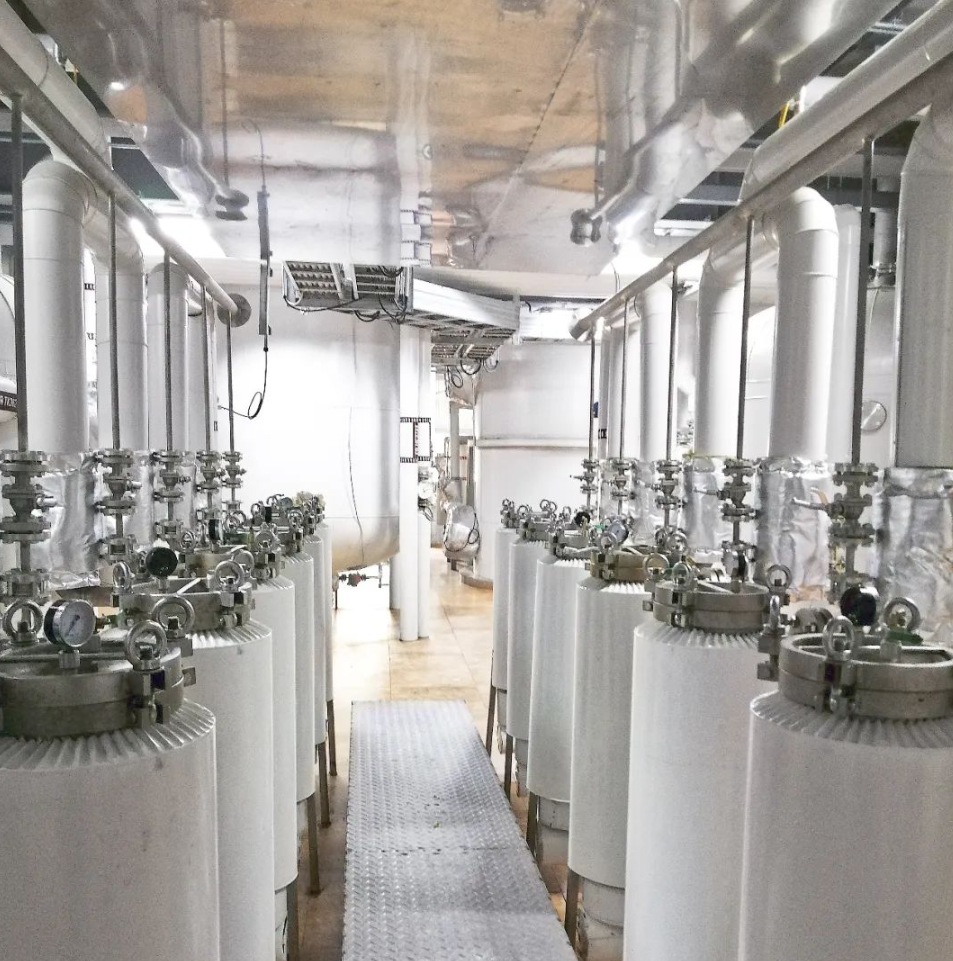
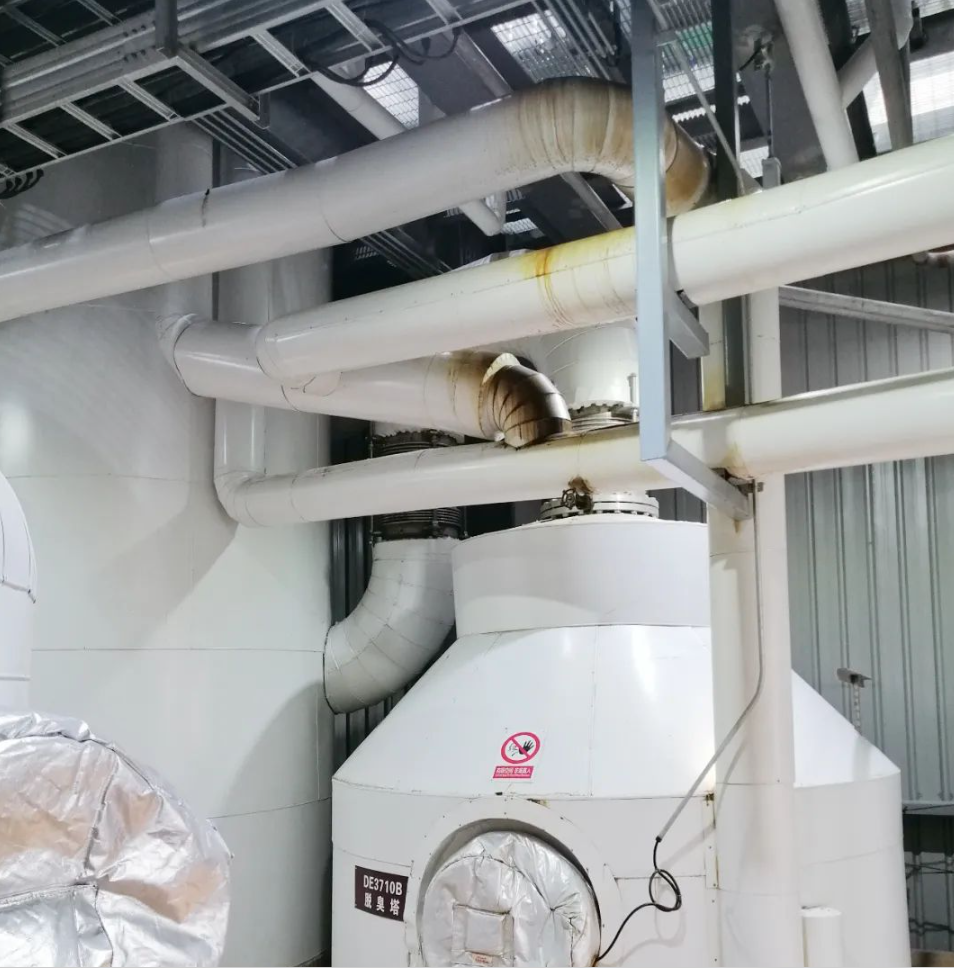
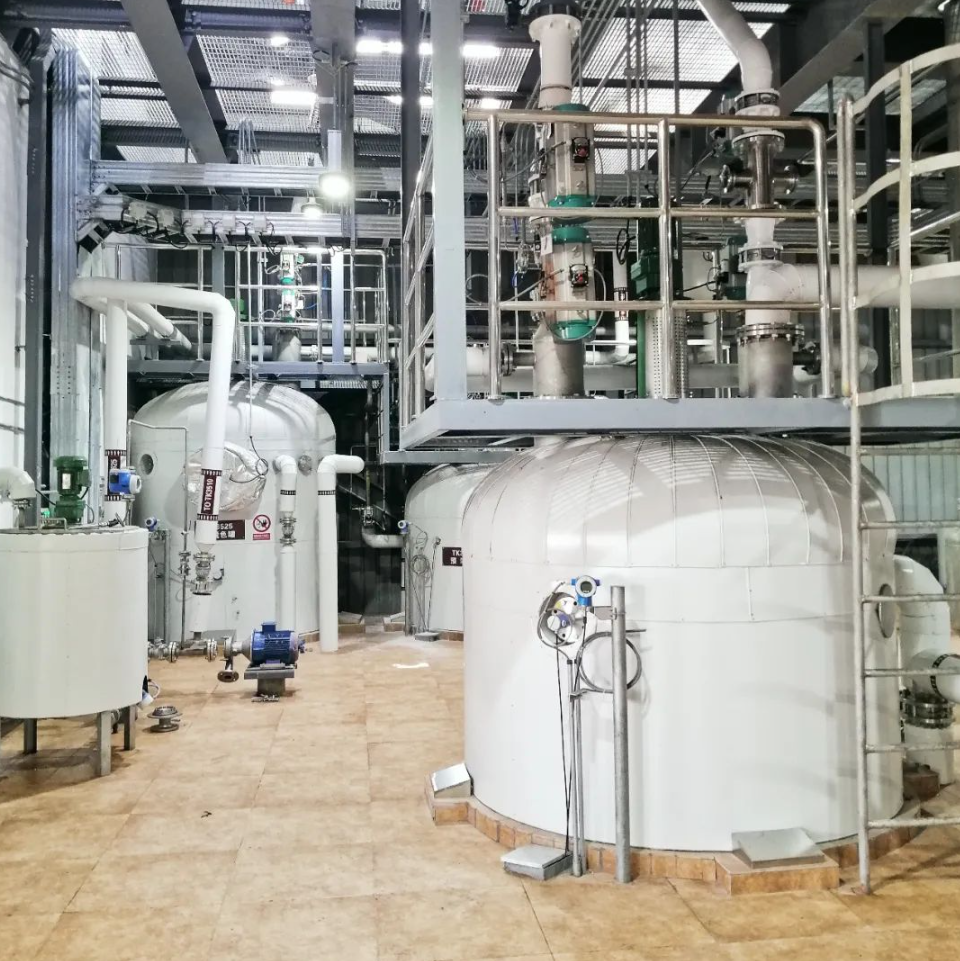
9.Utilize waste heat recovery technology. Energy-saving heat exchangers are installed in each section to maximize the utilization of waste heat, reduce steam consumption, and decrease natural gas consumption (natural gas consumption reduced to 3.3m³/ton of oil).
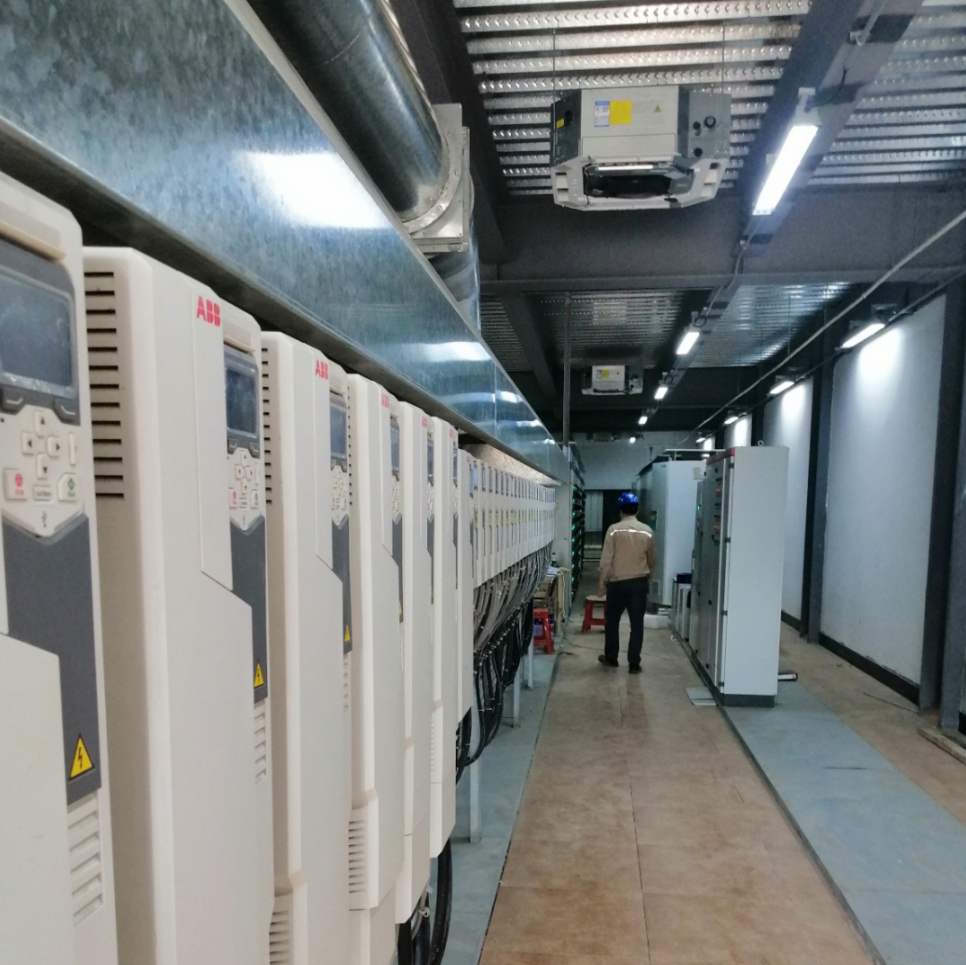
10.Fully automatic computer control system, reliable control software and hardware, modern mature neural network, determine the stability of production. This system network has undergone years of development, testing, and improvement in numerous refining and extraction projects until maturity. We have rich experience in developing mature and perfect automatic control systems.
Technology for Brand Building · Professional for Future Success
To become China’s leading integrated service provider in oil and fat refining.

Recent Posts

October 26, 2016
The Most Successful Engineering ContractorContact US
Product Information
Quantity
Unit
Piece
Support order samples, customization, wholesale direct, and complete payment. If the product you look for does not have corresponding customized content, pls fill out the form below to contact us, and we will reply ASAP.